Senior Dog Health Guide: Complete Wellness for Your Aging Dog
Caring for a senior dog is a privilege and a promise. As the years add gentle frost to a beloved muzzle, your role shifts from energetic playmate to thoughtful steward of comfort, health, and dignity. Senior dogs are wonderfully affectionate and often calmer, but they also need different routines, diets, and veterinary care than they did at three or five years old. This comprehensive guide explains when a dog is considered senior, the most common health issues you may face, what subtle signs of decline look like, how often to visit the vet, and exactly how to support wellness at home.
When Is a Dog Considered Senior?
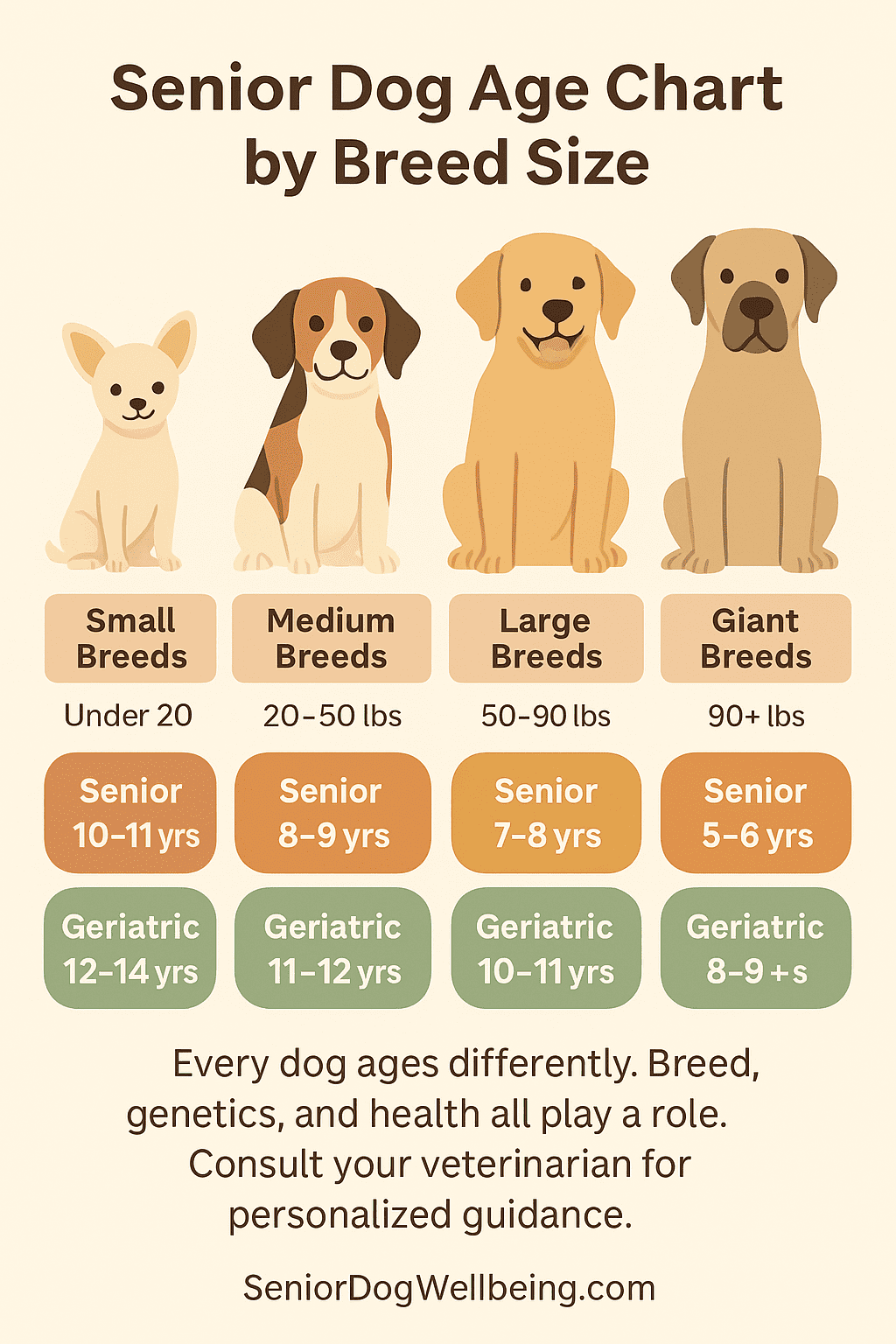
Not all dogs age at the same pace. The single biggest factor is size: small breeds age more slowly than large or giant breeds. Genetics, past injuries, weight history, and overall lifestyle also matter. As a rule of thumb:
- Small breeds (under 20 lb): senior at 10–11 years; geriatric at 12–14+ years.
- Medium breeds (20–50 lb): senior at 8–9 years; geriatric at 11–12+ years.
- Large breeds (50–90 lb): senior at 7–8 years; geriatric at 10–11+ years.
- Giant breeds (90+ lb): senior at 5–6 years; geriatric at 8–9+ years.
Senior vs. geriatric: “Senior” marks the period when age-related changes begin—your dog may still be active but benefits from modest adjustments. “Geriatric” describes advanced aging, when multiple body systems need closer day-to-day support. A Chihuahua at 12 who still loves brisk walks is senior; a Great Dane at nine who needs ramps, orthopedic support, and frequent vet visits is likely geriatric.
Factors beyond age matter. Neutering or spaying can change disease risks. Lifelong weight control helps joints and organs age more gracefully. Nutrition quality, dental care, and the amount of mental and physical enrichment your dog has enjoyed all shape how well those golden years unfold.
👉 Related reading: When Is a Dog Considered Senior?
Common Health Issues in Senior Dogs
Aging isn’t an illness, but the body accumulates wear and tear. The following conditions are common in older dogs. The American Veterinary Medical Association (AVMA) notes that many age-related issues can be managed if caught early.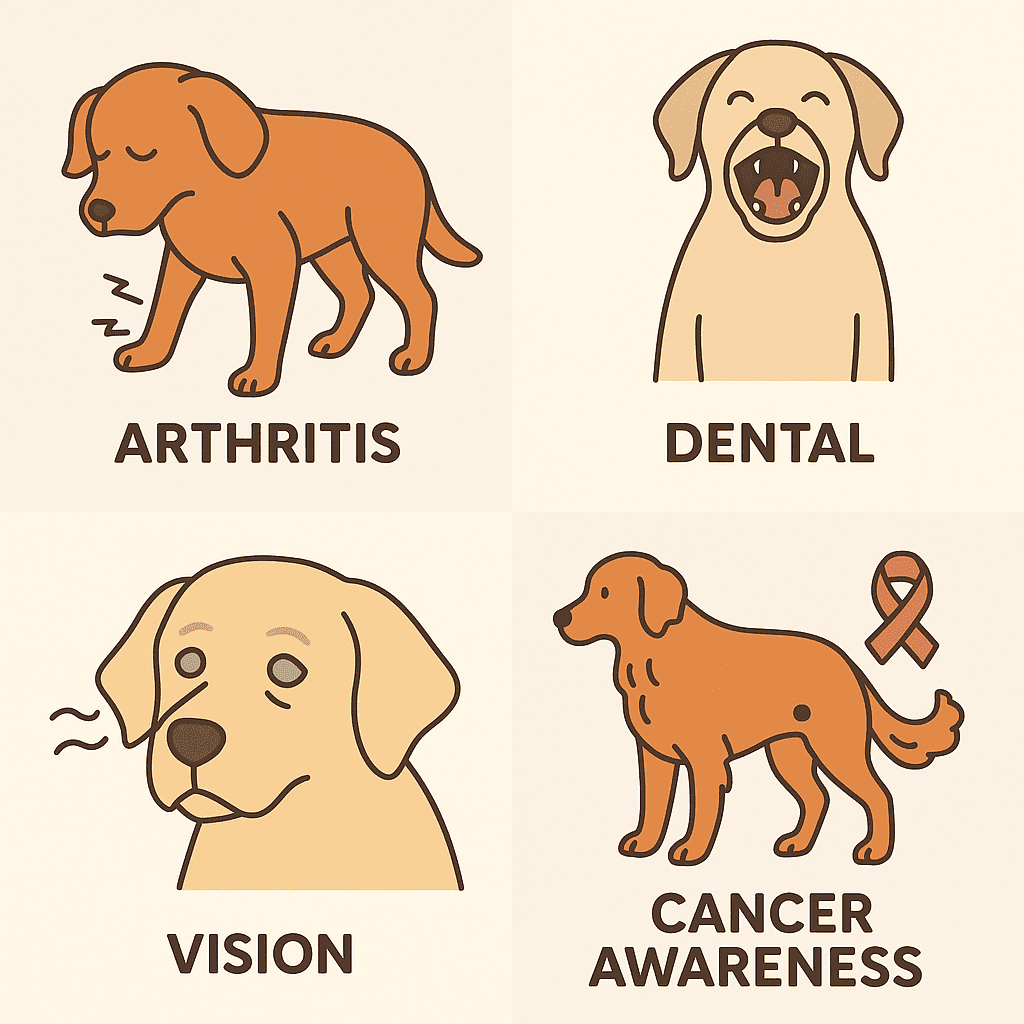
Arthritis and Joint Pain
Osteoarthritis is extremely common in older dogs, especially if they were athletic, overweight, or large-breed. You might see stiffness after naps, hesitation at stairs, bunny-hopping on hind legs, or a “warm up” period on walks.
Helpful steps include keeping weight lean, using ramps and non-slip rugs, providing an orthopedic bed, and discussing joint supplements (glucosamine, chondroitin, MSM, green-lipped mussel) with your veterinarian. Some dogs benefit from prescription anti-inflammatories, laser therapy, acupuncture, or rehabilitation exercises.
Dental Disease
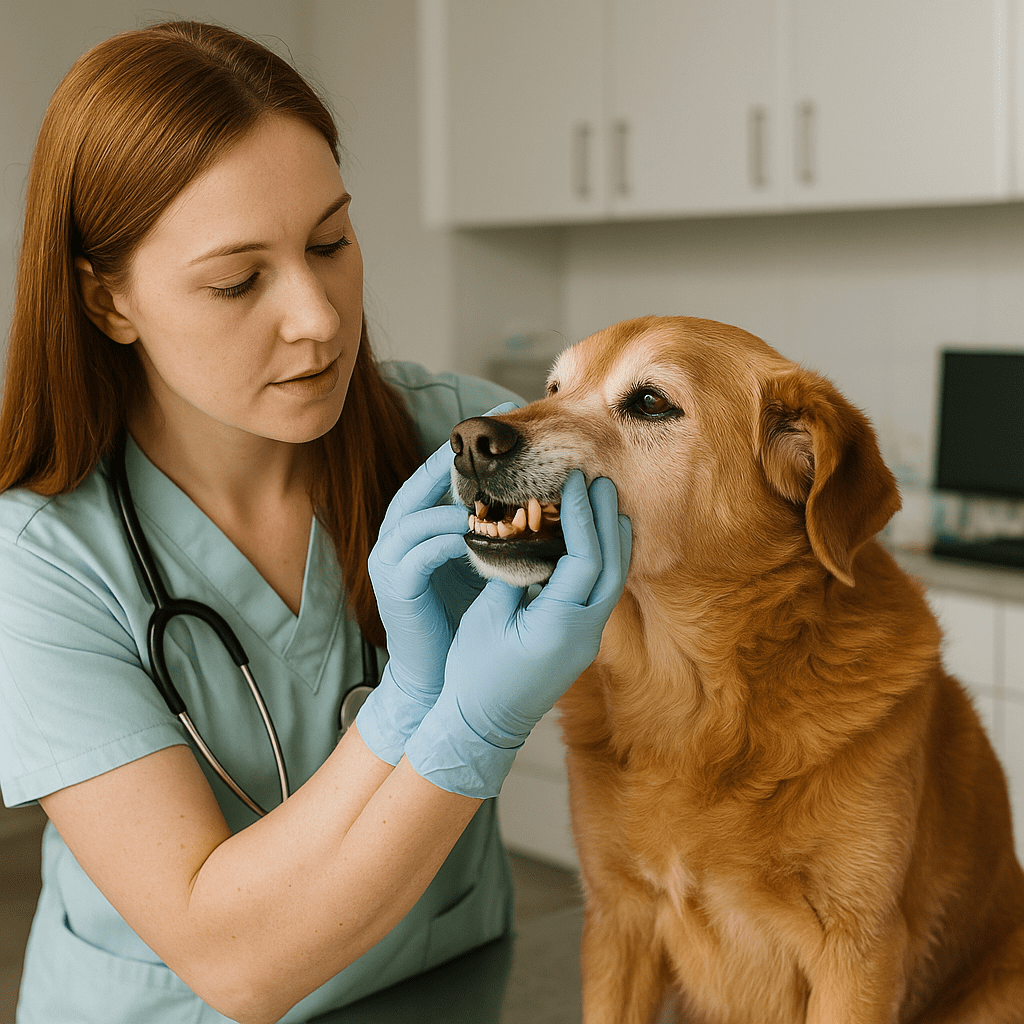
Periodontal disease is the silent quality-of-life thief. According to PetMD, dental infections can spread bacteria to the heart and kidneys in older dogs.
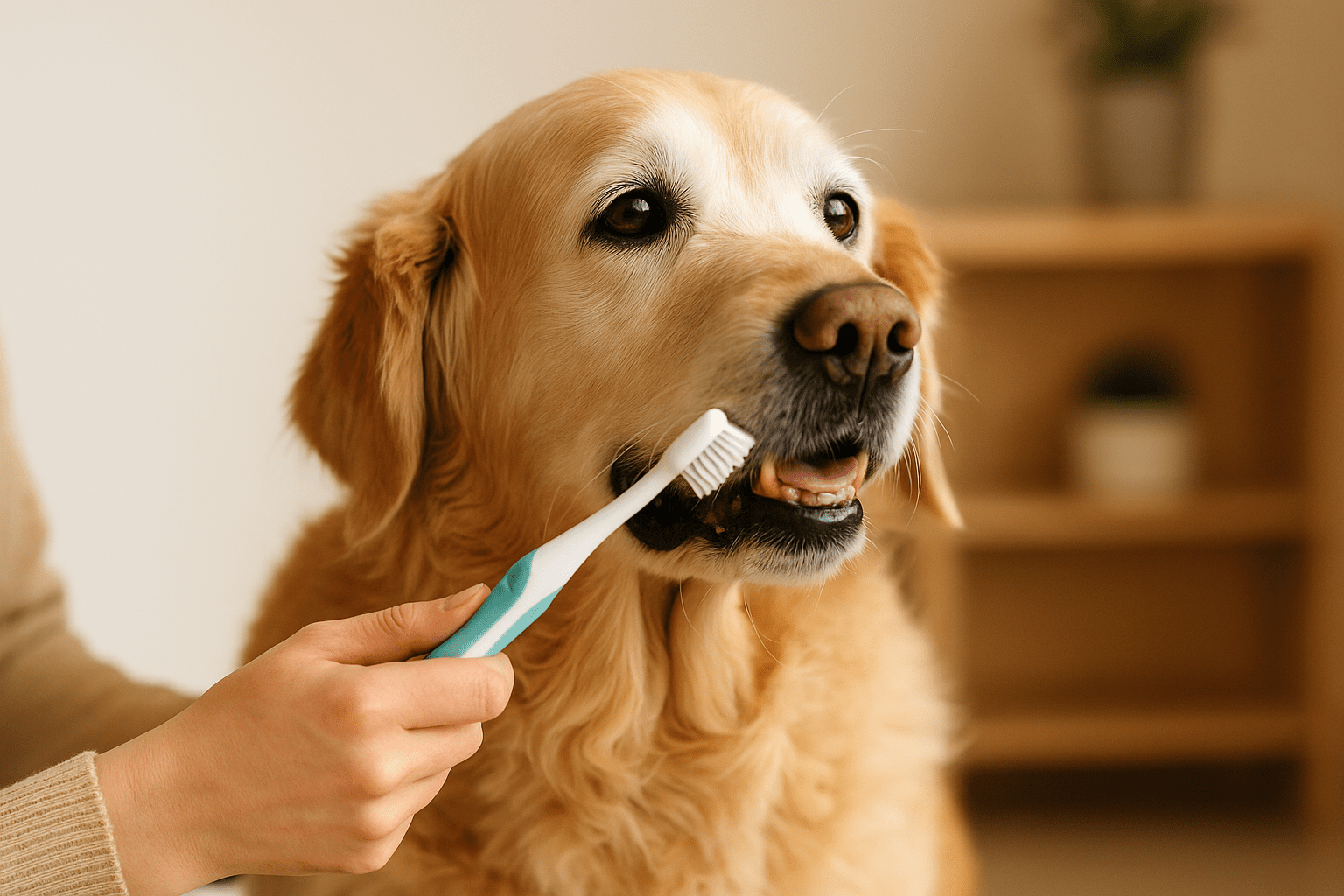
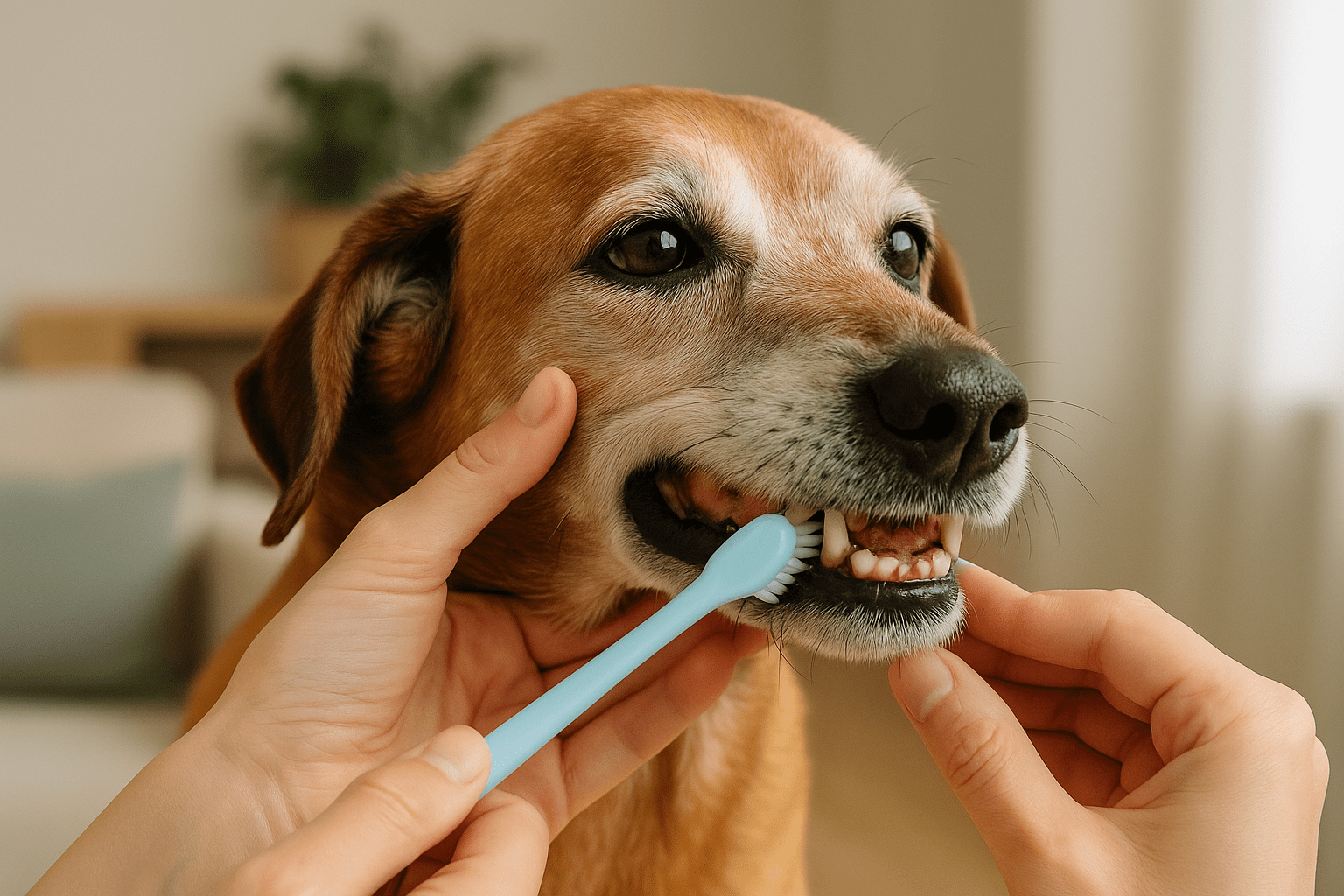
Warning signs: bad breath, drooling, pawing at the mouth, dropping kibble, or favoring one side. Prevention looks like daily brushing if your dog tolerates it, dental chews approved by your vet, water additives, and professional cleanings. After a cleaning, commit to a reasonable at-home routine you can keep up.
👉 Learn more: Senior Dog Dental Care Tips
Vision and Hearing Decline
Cloudy lenses, cataracts, and reduced hearing are common. Most dogs adapt well if you help them. Use clear hand signals. Add night lights in hallways and near stairs. Avoid rearranging furniture. On walks, give a moment’s warning before turns or curbs. If your dog startles easily, clap gently or tap the floor as you approach. Routine eye checks help catch treatable issues like dry eye or glaucoma earlier.
Cancer
The risk of cancer increases with age. Lumps and bumps aren’t always dangerous, but you can’t tell by sight or feel. Have your vet assess any mass that persists longer than two weeks, grows, or changes texture.
Other red flags: sudden weight loss, lethargy, pale gums, unexplained bruising, or labored breathing. Early detection opens doors to surgery, medications, or palliative care that minimizes discomfort. Keep a “lump map” (a simple sketch with measurements) to monitor changes objectively.
👉 Related: Cancer in Senior Dogs: Signs and Early Detection
Heart Disease
Chronic valve disease (especially in small and medium breeds) and dilated cardiomyopathy (more often in large breeds) are the big two. Coughing at night or after light exercise, fainting episodes, and breathlessness warrant a vet visit. Diagnosis may include chest X-rays and echocardiograms. Many dogs live comfortably for years with the right meds and weight management.
Kidney and Liver Disease
These often progress quietly. Increased thirst, more frequent urination, nausea, and weight loss are common early signs. Bloodwork and urinalysis reveal problems sooner, when diet changes and medications have the greatest impact. Keep fresh water available in multiple locations; dehydration worsens both conditions.
Endocrine Disorders
Hypothyroidism, Cushing’s disease, and diabetes appear more frequently in older dogs. Watch for thinning hair, skin infections, pot-bellied appearance, ravenous appetite with weight loss, or accidents in the house. These conditions are manageable when caught early—regular screenings matter.
Obesity
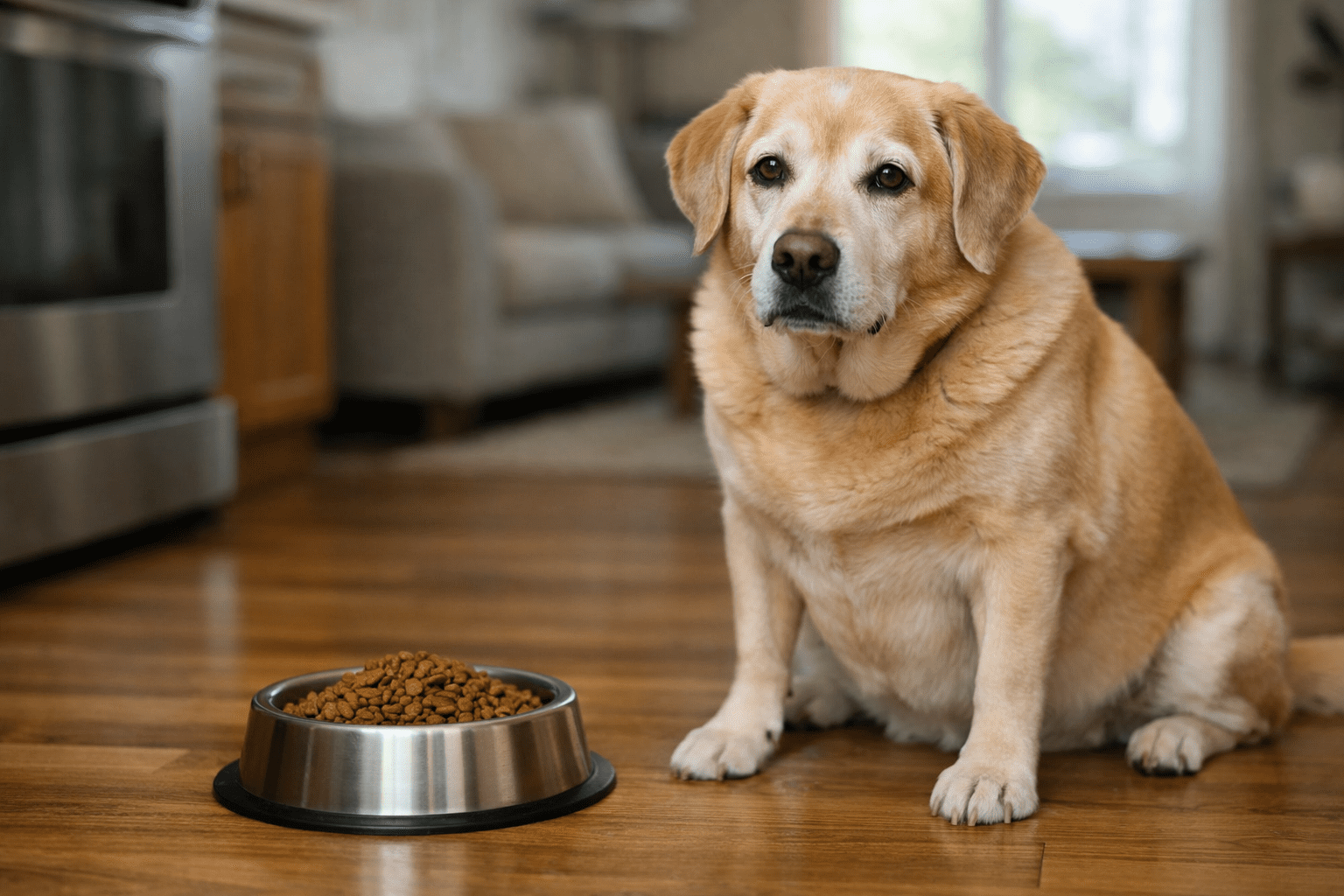
Extra weight is one of the most preventable risk multipliers. It worsens arthritis, strains the heart, and shortens lifespan. Measure meals, choose low-calorie training treats, and build a gentle but consistent exercise routine. A monthly “rib check” keeps you honest: you should feel ribs with light pressure, not dig for them.
Cognitive Dysfunction (Canine Dementia)
Some seniors develop cognitive dysfunction syndrome (CDS). You might notice confusion in familiar spaces, pacing at night, vocalizing without obvious cause, forgotten housetraining, or “staring.” Keeping routines predictable, adding night lights, using puzzle feeders, and talking to your vet about diet and supplements formulated for brain health can help. Many families find comfort in short, calm rituals before bedtime.
For a breakdown of specific conditions, see our guide to common senior dog health issues every owner should know.
Early and Advanced Warning Signs
Because dogs are stoic, illness can smolder under the surface. Differentiate normal aging from problems that warrant attention.
Normal Aging
- A bit more gray and a bit more napping.
- Slight stiffness after long rests that eases with movement.
- Reduced sprinting and jumping, but happy for daily walks.
Concerning Red Flags
- New or worsening limp; difficulty rising that doesn’t “warm up.”
- Persistent cough, heavy panting at rest, or labored breathing.
- Appetite loss, vomiting, diarrhea, or sudden weight change.
- Drinking much more water or urinating far more often.
- New lumps, or existing lumps that grow or change quickly.
- Confusion, pacing, accidents, or nighttime wakefulness.
When in doubt, call your veterinarian. A brief phone triage can clarify whether you can monitor at home for a day or should book an appointment sooner.
👉 Related: Signs of Pain in Senior Dogs You Shouldn’t Ignore
Veterinary Care Schedule for Senior Dogs
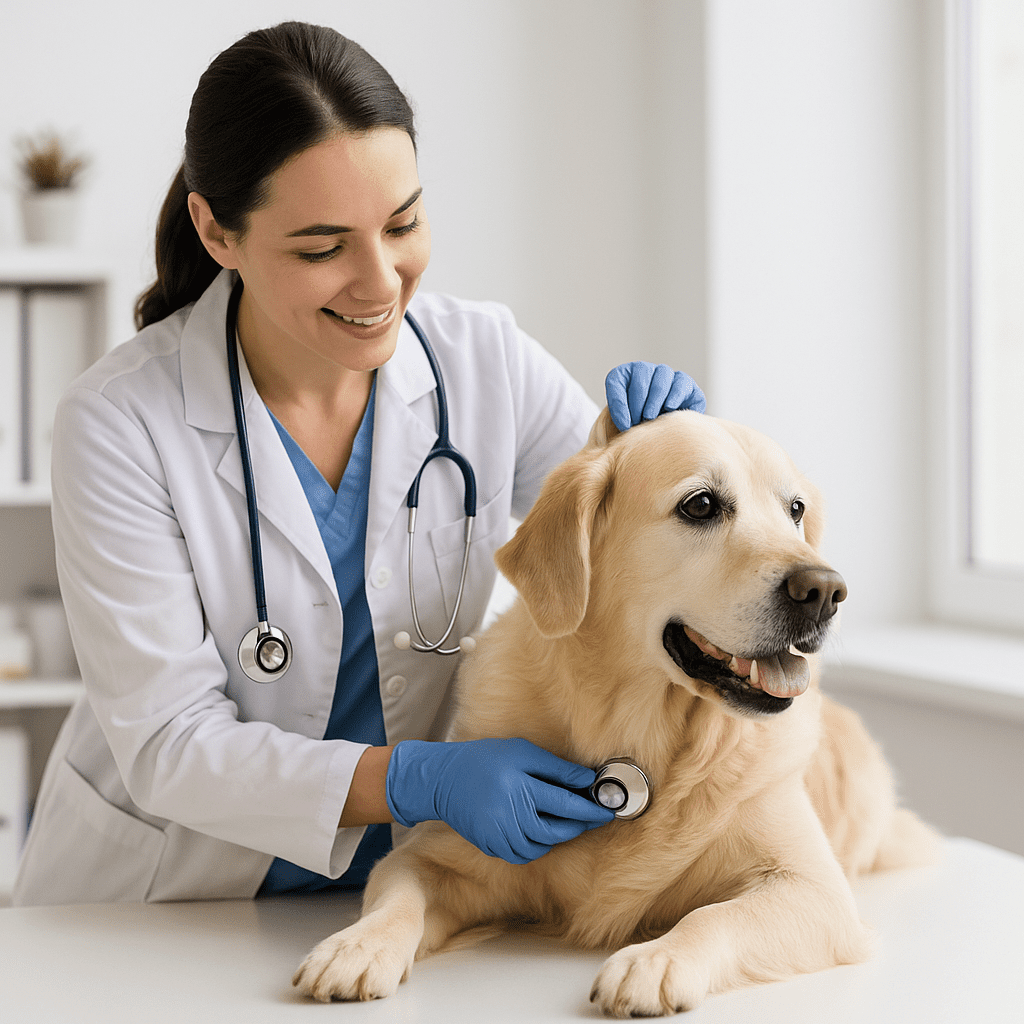
Wellness visits are your safety net. The American Kennel Club (AKC) recommends twice-yearly checkups for senior dogs to catch conditions earlier.
How Often to Go
- Adult dogs: annually if healthy.
- Senior dogs: every 6 months.
- Geriatric dogs or those with chronic illness: every 3–4 months, as advised.
What to Expect at Senior Visits
- Physical exam: weight trend, body condition, heart and lung sounds, joint range of motion, oral health check.
- Screenings: complete blood count, chemistry panel (kidney, liver), thyroid function, urinalysis; stool check if needed.
- Imaging: X-rays or ultrasound for chronic cough, abdominal pain, or unexplained weight loss; dental radiographs during cleanings.
- Preventatives: flea/tick/heartworm remain important; vaccine intervals may be tailored to lifestyle and immune status.
Cost and Planning
Senior care can feel expensive, but prevention is cheaper than late-stage treatment. Ask your clinic about senior wellness bundles. If you use pet insurance, read the fine print on pre-existing conditions and age caps. If you don’t, set aside a monthly “vet fund” so decisions are easier when surprises happen.
Palliative and End-of-Life Care
If cure isn’t possible, comfort is. Pain control, anti-nausea meds, mobility aids, and home-visit hospice services can maintain dignity. Use a quality-of-life scale (many vets provide one) to track comfort over time. It’s normal to need guidance; your veterinary team is there for medical and emotional support.
👉 Related Reading: End of Life Care for Senior Dogs
Nutrition for Senior Dogs
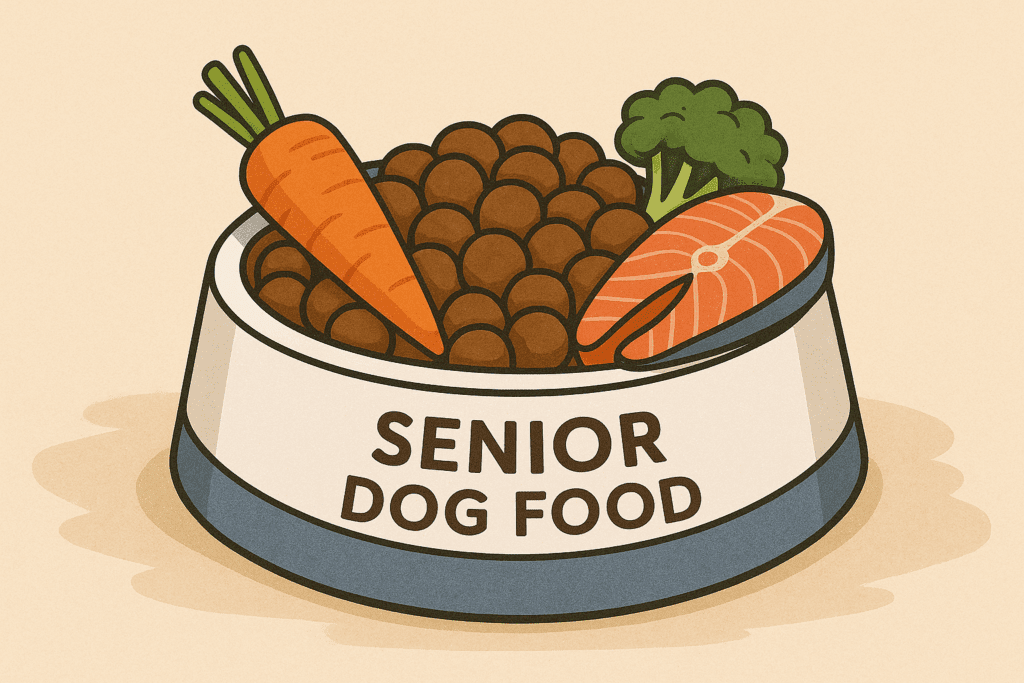
Age itself doesn’t mandate a single “senior” formula, but older dogs often benefit from diets that manage weight, support joints, and protect organ function.
Macronutrients and Calories
Senior dogs usually need fewer calories but still require adequate protein to maintain muscle. Look for foods with high-quality protein sources, moderate fat, and enough fiber to support regular stools. If your dog is underweight or has chronic illness, your vet might recommend a more calorie-dense diet—there’s no one “right” formula for all seniors.
Joint and Brain Support
Omega-3 fatty acids (EPA/DHA) help reduce inflammation in joints and may support cognitive function. Many senior diets add glucosamine and chondroitin; these are safe but amounts vary, so your vet might recommend a separate supplement with clinically useful doses.
Sensitive Stomachs and Allergies
If your older dog develops intermittent diarrhea, gurgly belly sounds, or frequent grass-eating, ask about a gentle, easily digestible diet or a novel protein. Probiotics can be helpful during transitions or after antibiotics. Always change foods gradually over 7–10 days to reduce GI upset.
Hydration
Older dogs sometimes drink either too much or too little. Encourage steady water intake by placing bowls on each floor, adding a pet fountain, or mixing a little warm water into meals. Report big changes in thirst to your vet; they can signal kidney disease, diabetes, or Cushing’s disease.
Treats and Table Food
Treats should be part of the calorie budget. Use training treats the size of a pea. For table foods, offer dog-safe options like small amounts of plain cooked lean meat or steamed veggies—skip salty, fatty, or seasoned foods, and avoid onions, garlic, grapes, and xylitol.
Exercise, Mobility, and Home Setup
Motion is lotion for older joints, but the type and dose of exercise must fit the dog.
👉 See our guide: Best Orthopedic Beds for Senior Dogs
Daily Movement
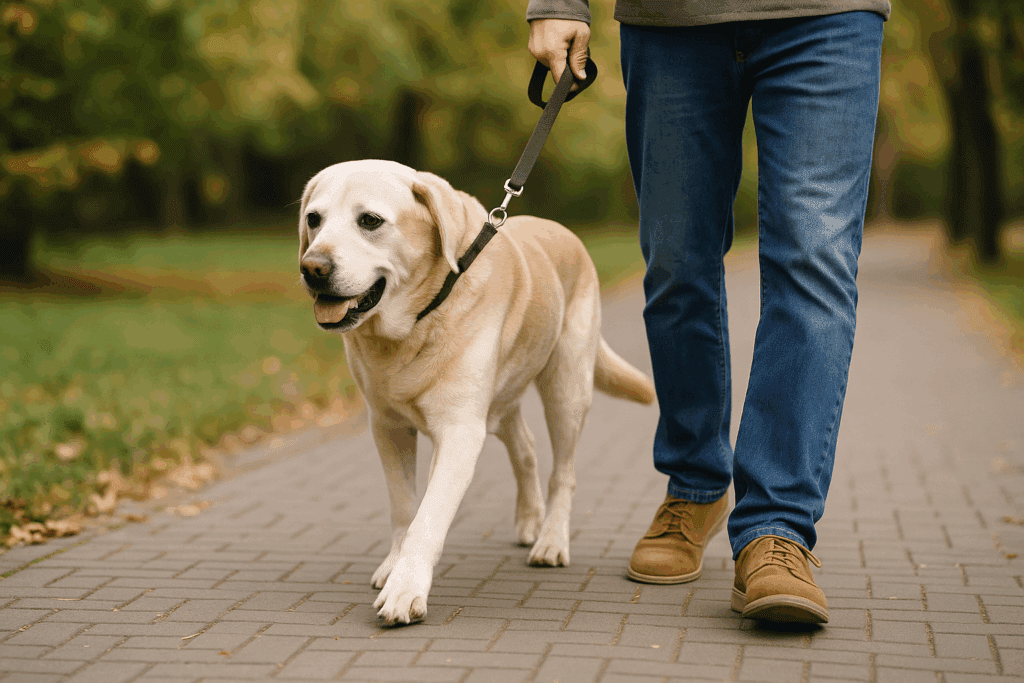
- Short, frequent walks beat weekend warrior marathons.
- Choose softer surfaces: grass or trails instead of hot pavement.
- Let your dog set the pace; “sniff walks” build joy without strain.
- Swimming or underwater treadmill can be excellent low-impact work.
Strength and Flexibility
A few times a week, add gentle sit-to-stands, cookie stretches, and slow controlled steps over low poles. If your dog struggles, consult a rehab-certified veterinarian for a safe plan.
Mobility Aids
Ramps protect shoulders and hips from jumping on and off cars or furniture. A supportive harness or rear-end sling helps with stairs. Booties with rubberized soles improve traction for dogs who drag their toes.
Home Comfort
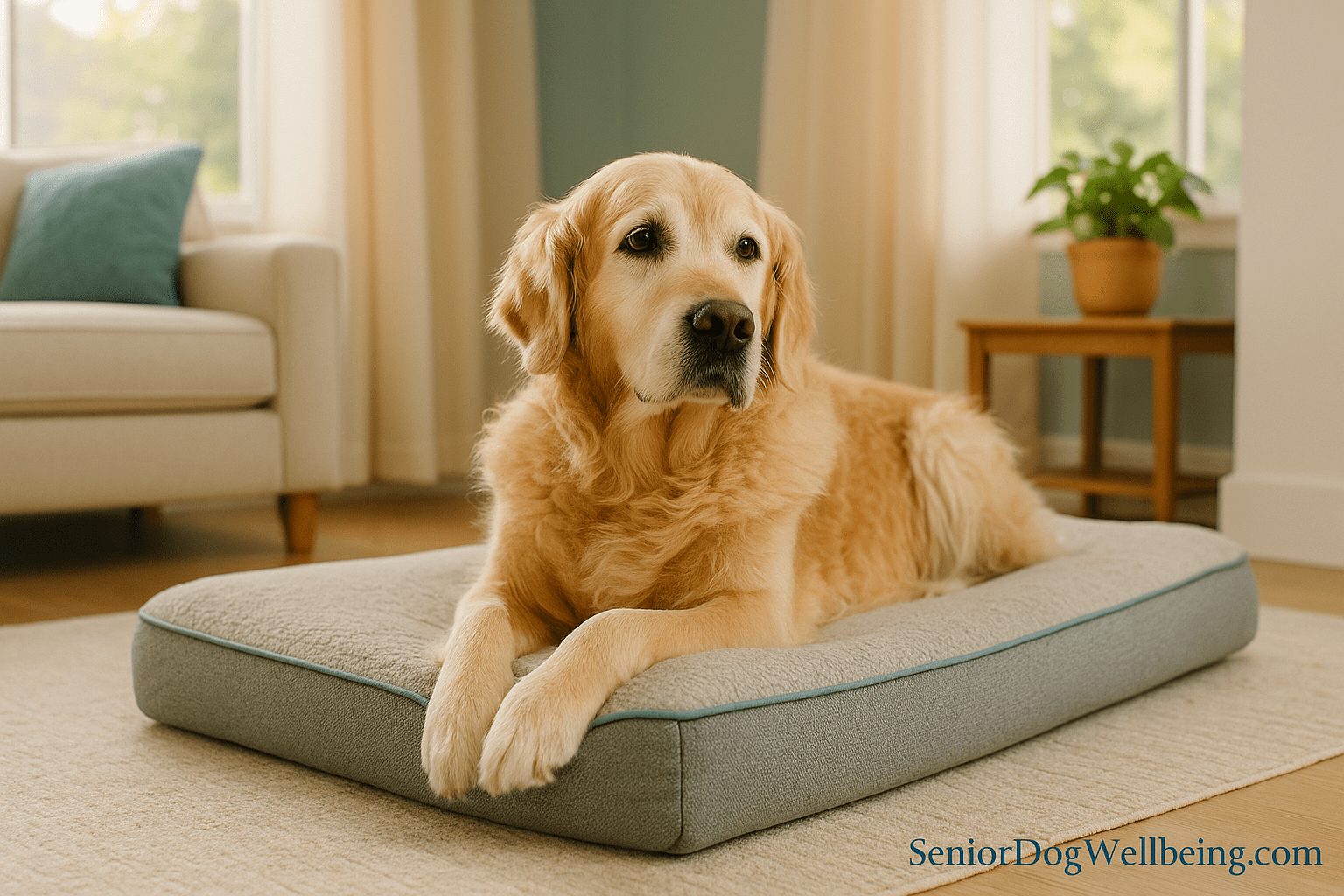
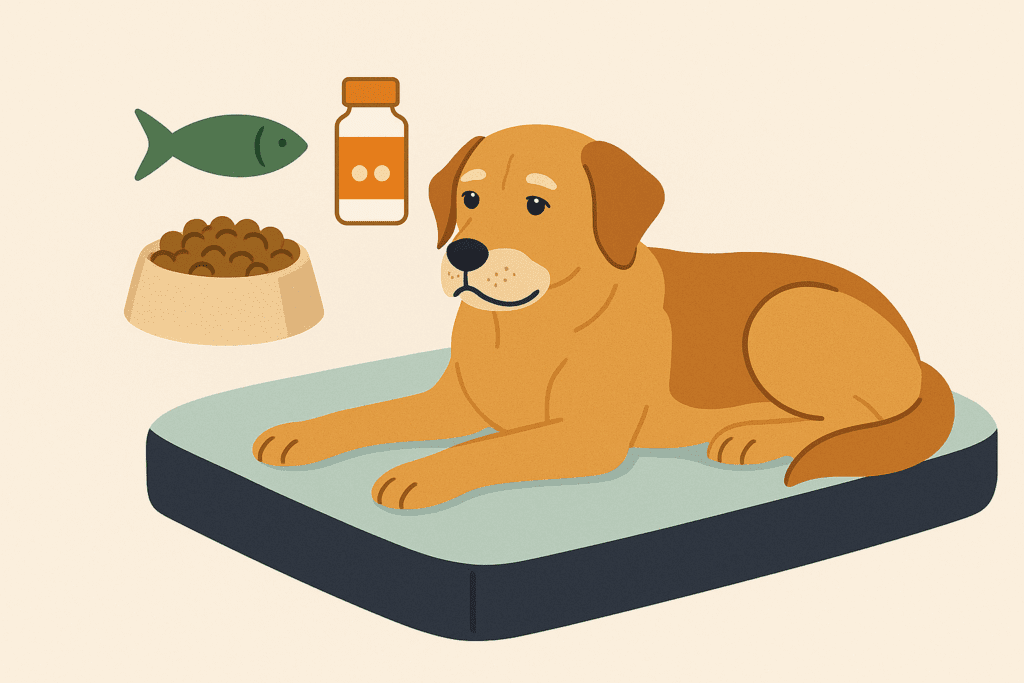
Non-slip rugs on slick floors reduce falls. Orthopedic beds with memory foam relieve pressure points; place one in each room your dog frequents. Elevate bowls if your dog has neck or forelimb pain. In winter, consider a heated bed (on low) for arthritic seniors who love warmth.
Climate and Timing
Hot, humid days stress older hearts and lungs; walk early morning or evening. In cold weather, use a coat for thin-coated dogs and limit time on icy surfaces. Senior paws can be surprisingly sensitive; rinse salt after winter walks.
Mental Enrichment and Emotional Senior Dog Health
Senior brains need workouts, too. The ASPCA suggests puzzle feeders, scent games, and consistent routines to keep older dogs engaged and reduce anxiety.
Puzzle Play and Scent Games
Food puzzles, snuffle mats, and hide-and-seek with treats satisfy natural foraging instincts. Start easy and build difficulty slowly. Five focused minutes of nose work can tire an older dog more than a long walk.
Training—Yes, Even Now
Older dogs learn beautifully with short, gentle sessions. Reinforce hand targets, “watch me,” and relaxed settle behavior. Avoid high-impact tricks; think “polite manners with lots of rewards.” Training doubles as bonding time.
Routine and Environment
Predictable routines soothe anxious seniors. Keep mealtimes, walk times, and bedtimes consistent. Add night lights in hallways and near water bowls. If vision or hearing fades, pair a consistent hand signal with a tactile cue (e.g., a gentle tap). Background white noise can help some dogs settle overnight.
Social Time and Affection
Many senior dogs become extra people-oriented. Build in quiet cuddle sessions, gentle brushing, and calm visits with favorite humans. If your dog enjoys other dogs, choose mellow companions. Protect seniors from boisterous puppies who might knock them over.
Sample Daily Schedule for a Senior Dog
Morning
- Brief potty break, fresh water, and medications if needed.
- Breakfast with supplements (omega-3s, joint support as advised).
- 15–20 minute sniff walk at an easy pace.
Midday
- Potty break and a short play or training session (5–10 minutes).
- Rest on an orthopedic bed; offer a puzzle feeder for mental work.
Afternoon
- Gentle mobility exercises (sit-to-stand, cookie stretches).
- Quiet time in a comfy, warm spot out of drafts.
Evening
- 15–20 minute walk on soft ground.
- Dinner with any evening medications.
- Calming routine: brushing, massage, or white-noise machine.
Night
- Final potty break and night lights on. Keep water accessible.
- If your dog paces at night, ask your vet about CDS support.
Owner Checklists: What to Track
Weight and Body Condition
Weigh monthly if possible. A two-pound gain on a small dog is significant; early course corrections protect joints and the heart.
Pain and Mobility
Use a 1–5 comfort scale in a notebook or app. Note “bad days,” what helped, and what made things worse.
Water and Appetite
Sudden increases in thirst or decreases in appetite often signal brewing issues—don’t wait months to mention changes.
Lumps and Bumps
Create a simple “body map” and measure lumps with a soft tape or coin reference in photos. Note dates and any changes.
Medications and Supplements
Keep a printed list with dosages and times. Bring it to every appointment and update after any change.
Tools & Resources

- 📄 Senior Dog Health Checklist (Free PDF) → Track vet visits, medications, and wellness steps.
- 🛒 Helpful guides:
- Senior Dog Nutrition Guide
- Best Ramps for Senior Dogs
- Best Harnesses for Senior Dogs With Mobility Issues
Working with Your Veterinary Team
You are the expert in your dog’s daily life; your veterinarian is the expert in diagnostics and treatment. Together you make the best decisions.
Prepare for Appointments
List your concerns, gather short videos of symptoms (limping, coughing, night pacing), and bring medication lists. Ask what to monitor between visits and when to check in.
Second Opinions and Referrals
If a diagnosis is unclear or complex, a second opinion can be reassuring. Specialists in cardiology, oncology, neurology, dentistry, ophthalmology, dermatology, and rehabilitation can add targeted care when needed.
Advocacy with Grace
It’s okay to ask about options and costs. Most veterinarians welcome honest conversations about budget and goals. The aim is always a plan that maximizes comfort and quality of life for your individual dog.
Golden Years, Golden Care
Senior dogs give us the gift of presence—quiet companionship, unhurried walks, and a gaze that says you are their whole world. In return, they ask for patience, gentle routines, and mindful healthcare. With regular veterinary visits, thoughtful nutrition, comfortable home setups, and daily mental and physical enrichment, your older dog can enjoy comfort and joy well into their later years. See our Senior Dog Lifestyle Guide.
If you’re ready to put this plan into action, download the Senior Dog Health Checklist and keep it on your fridge or in your dog’s binder. Small, consistent steps add up. Your dog doesn’t need perfection—they need you, showing up with love, every day.

Frequently Asked Questions (FAQs)
How often should senior dogs see the vet?
Every six months is a solid baseline; every three to four months for geriatric dogs or those managing active conditions. Call sooner if new symptoms appear.
Do senior dogs need special food?
Many benefit from formulas designed for weight control, joint support, and digestive health. The “best” diet depends on body condition and lab results—work with your vet.
What age is considered geriatric?
Roughly 12–14+ years for small breeds and 8–10+ for large and giant breeds, with overlap depending on genetics and health.
Can senior dogs still exercise?
Absolutely. Consistent, gentle exercise preserves muscle and mood. Replace high-impact play with sniff walks, swimming, or short fetch on grass.
Should I give supplements?
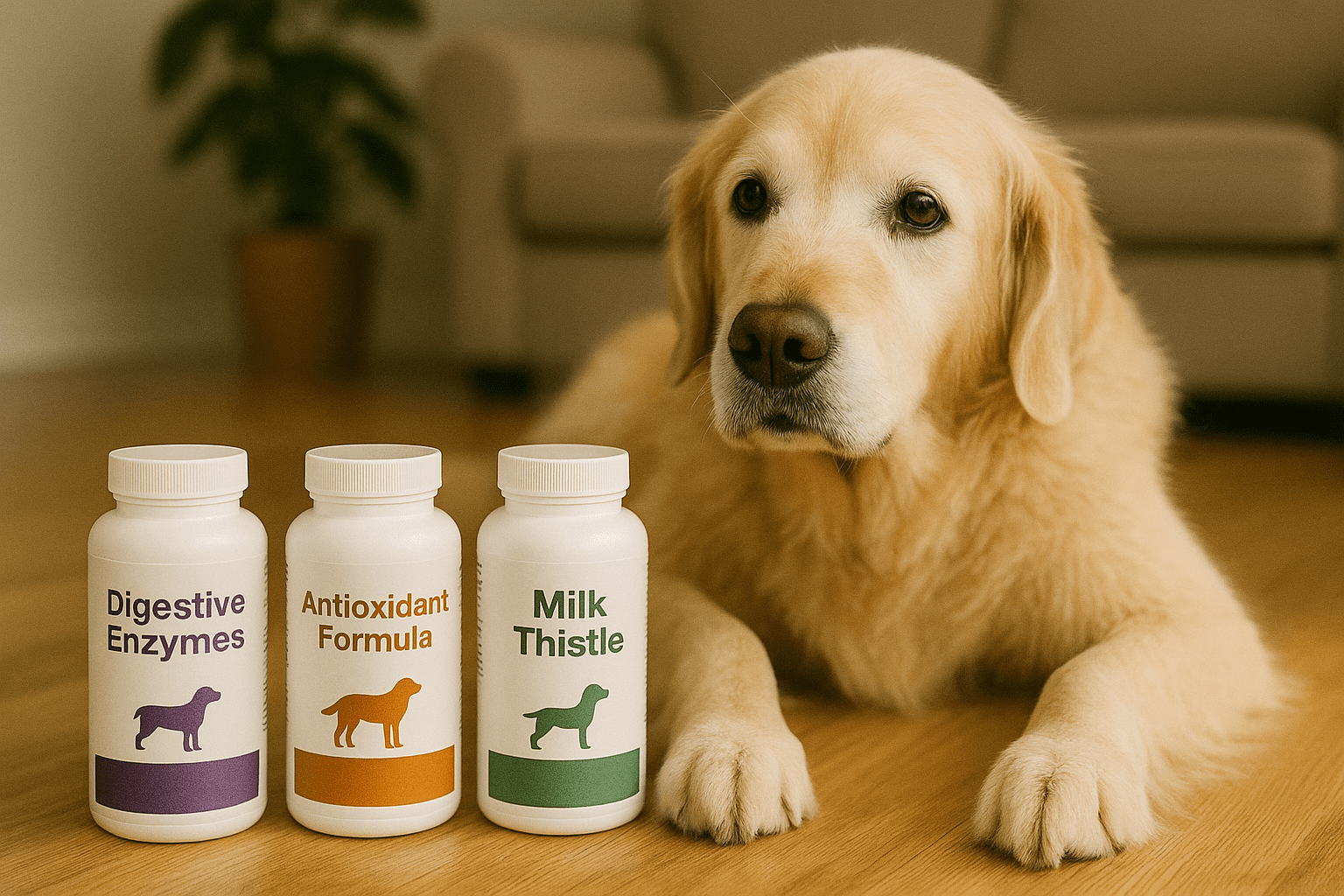
Discuss with your vet. Common picks include omega-3 fatty acids, joint support (glucosamine/chondroitin), probiotics, and products formulated for cognitive health.
Do senior dogs sleep more?
Yes, but dramatic changes in sleep patterns—especially restless nights, pacing, or sudden daytime lethargy—may signal pain, anxiety, or medical conditions.
What vaccinations do seniors need?
Core vaccines remain important, but timing may be tailored. Your vet will consider exposure risks, immune status, and regional disease trends.
How can I tell if my dog is in pain?
Look for reluctance to jump, changes in posture, stiffness after rest, flinching when touched, panting at rest, or withdrawal from activities they normally enjoy. Subtle behavior changes often precede obvious limping.
When should I consider hospice or humane euthanasia?
When good days are consistently outnumbered by bad days despite treatment, when pain can’t be controlled, or when basic functions like breathing and eating are distressing. Your veterinary team can help you use quality-of-life scales and discuss options with compassion.