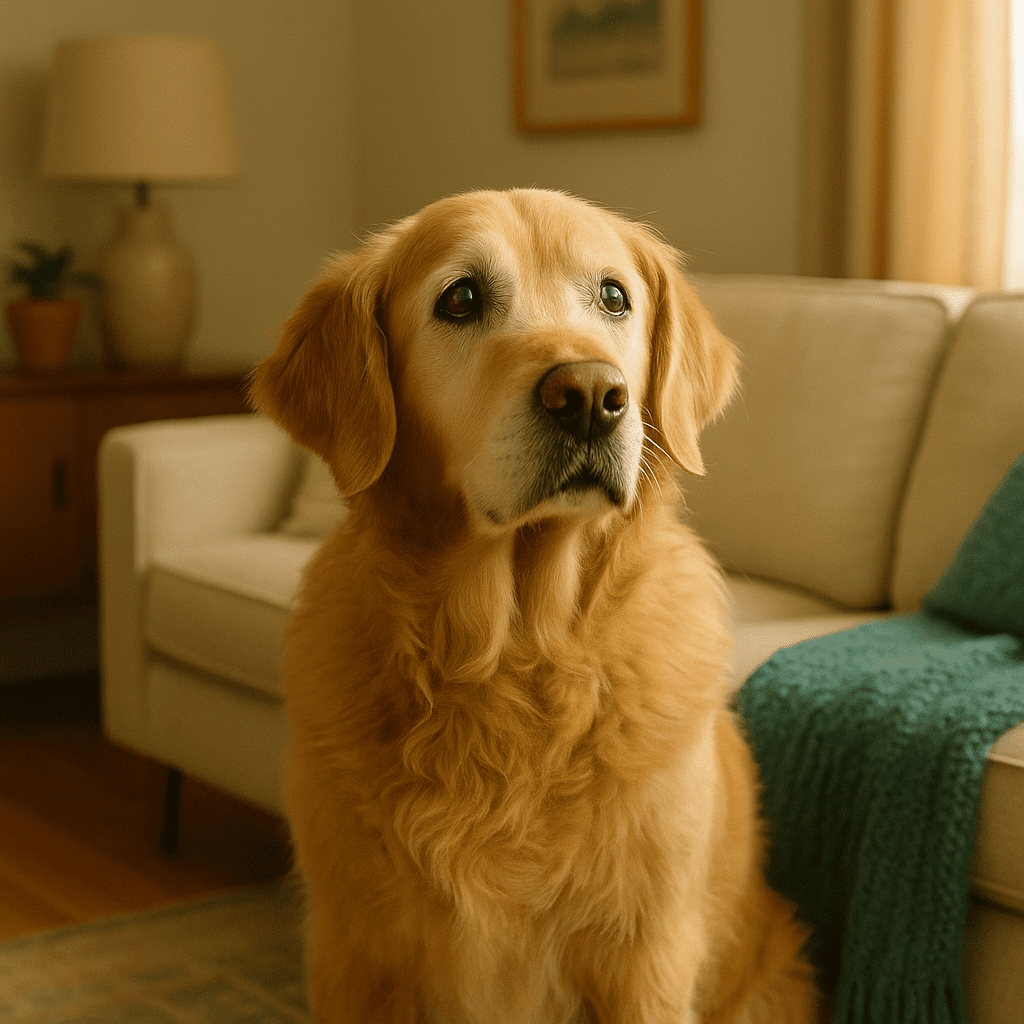
As dogs grow older, many start to experience changes in how they see and hear. Vision and hearing loss in senior dogs can appear gradually or suddenly, and it often leaves pet parents wondering what’s normal, what’s concerning, and how to best support their aging companion. The good news: even dogs with significant sensory decline can enjoy a full, joyful, connected life with the right care.
This guide explains what causes these changes, how to spot the earliest signs, and how to make your home and routines more senior-dog friendly.
What Causes Vision and Hearing Loss in Older Dogs?
Just like humans, dogs experience natural sensory decline as they age. Some changes are mild and expected, while others require veterinary attention.
For dogs with additional mobility challenges, pairing vision support with a safer home setup can help—see our guide to senior dog home safety and fall prevention.
Why Older Dogs Lose Vision
Common causes include:
- Nuclear sclerosis, a normal age-related cloudiness of the lens that usually doesn’t severely impair sight
- Cataracts, which may progress to significant vision loss if untreated
- Glaucoma, a painful condition caused by increased eye pressure
- Progressive retinal atrophy (PRA), an inherited degeneration of the retina
- Diabetes-related changes, including rapid cataract formation
- Corneal ulcers or chronic dry eye, which can distort or obscure vision
Some dogs lose vision slowly; others may experience rapid changes that require immediate vet care.
Why Older Dogs Lose Hearing
Hearing loss in senior dogs is often the result of:
- Age-related degeneration of the inner ear
- Repeated or chronic ear infections
- Wax buildup or foreign material
- Allergies that cause ongoing inflammation
- Rarely, reactions to medications
Most senior dogs with hearing loss are not ignoring commands—they simply can’t hear them as clearly anymore.
Early Signs Your Senior Dog Is Losing Vision
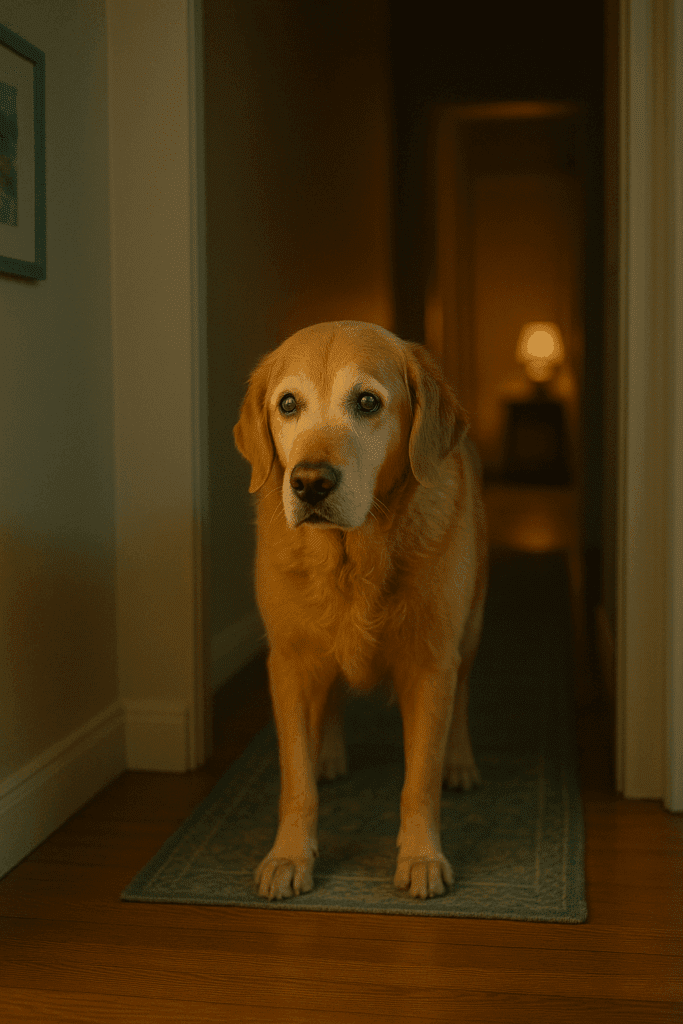
Vision loss can develop so gradually that many families don’t notice until their dog begins compensating in obvious ways. Watch for:
- Cloudy, hazy, or bluish eyes
- Bumping into furniture or doorways
- Hesitation on stairs or in dimly lit areas
- Trouble finding toys or treats
- Increased clinginess in unfamiliar places
- Difficulty recognizing people from a distance
- Anxiety when walking into shadows or dark rooms
Sudden blindness is always an emergency. If your dog goes from seeing normally to struggling within hours or days, contact your veterinarian right away. Many dogs who struggle with depth perception or navigation benefit from stable floor traction; our picks for the best orthopedic dog beds for senior dogs can also help them rest more comfortably.
Early Signs Your Senior Dog Is Losing Hearing
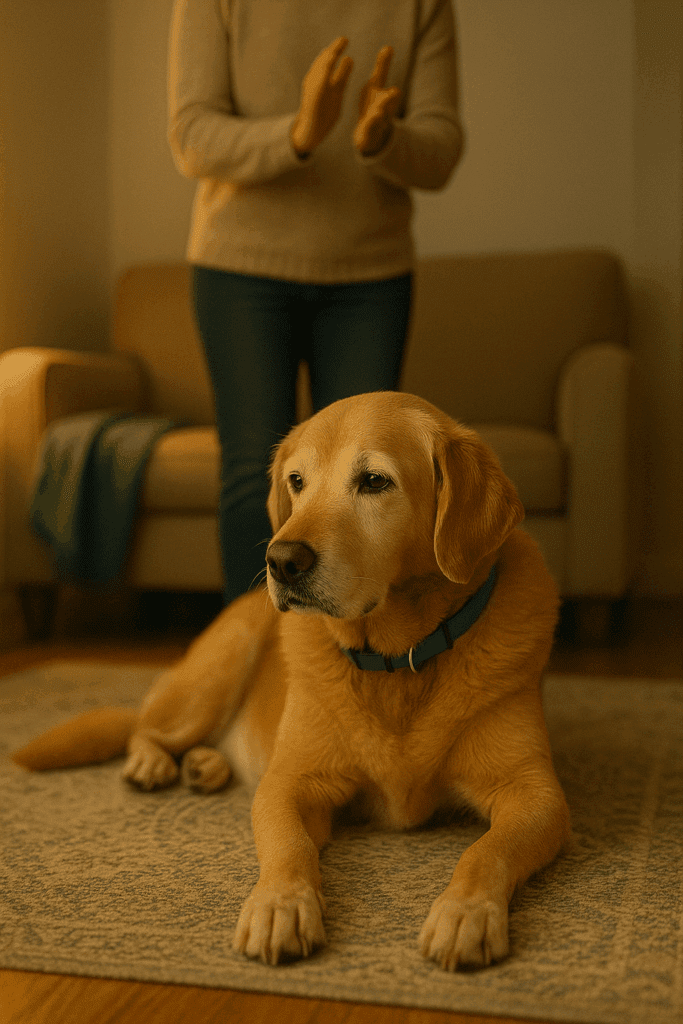
Hearing loss is often subtle, especially at first. Signs include:
- Not responding to their name
- Sleeping more deeply than usual
- Startling when touched unexpectedly
- Barking louder than before
- Failing to react to common household noises
- Not waking when someone enters the room
Dogs with hearing loss tend to adjust quickly once communication methods are adapted to their needs.
How Veterinarians Diagnose Vision and Hearing Problems
A veterinary exam provides clarity about what’s changing and what can be treated.
Eye Exams May Include:
- Assessment for cataracts or retinal disease
- Eye pressure checks to screen for glaucoma
- Fluorescein staining to detect corneal ulcers
- Retinal evaluation using specialized lights
According to the American Kennel Club, cataracts are one of the most common causes of vision loss in older dogs, especially when cloudiness progresses quickly, so early veterinary evaluation is important.
Hearing Tests May Include:
- Ear canal exam for infection, inflammation, or debris
- Sound-response tests
- A BAER (Brainstem Auditory Evoked Response) test for definitive diagnosis
Vets may also screen for cognitive dysfunction, since disorientation and confusion can look similar to sensory loss.
PetMD explains that age-related hearing loss typically develops gradually, making it easy for pet parents to miss the earliest signs.
How to Support a Senior Dog With Vision or Hearing Loss
Living with a blind or deaf senior dog means adjusting routines—not lowering quality of life. Dogs are remarkably adaptable, especially when their environment is predictable and their remaining senses are engaged.
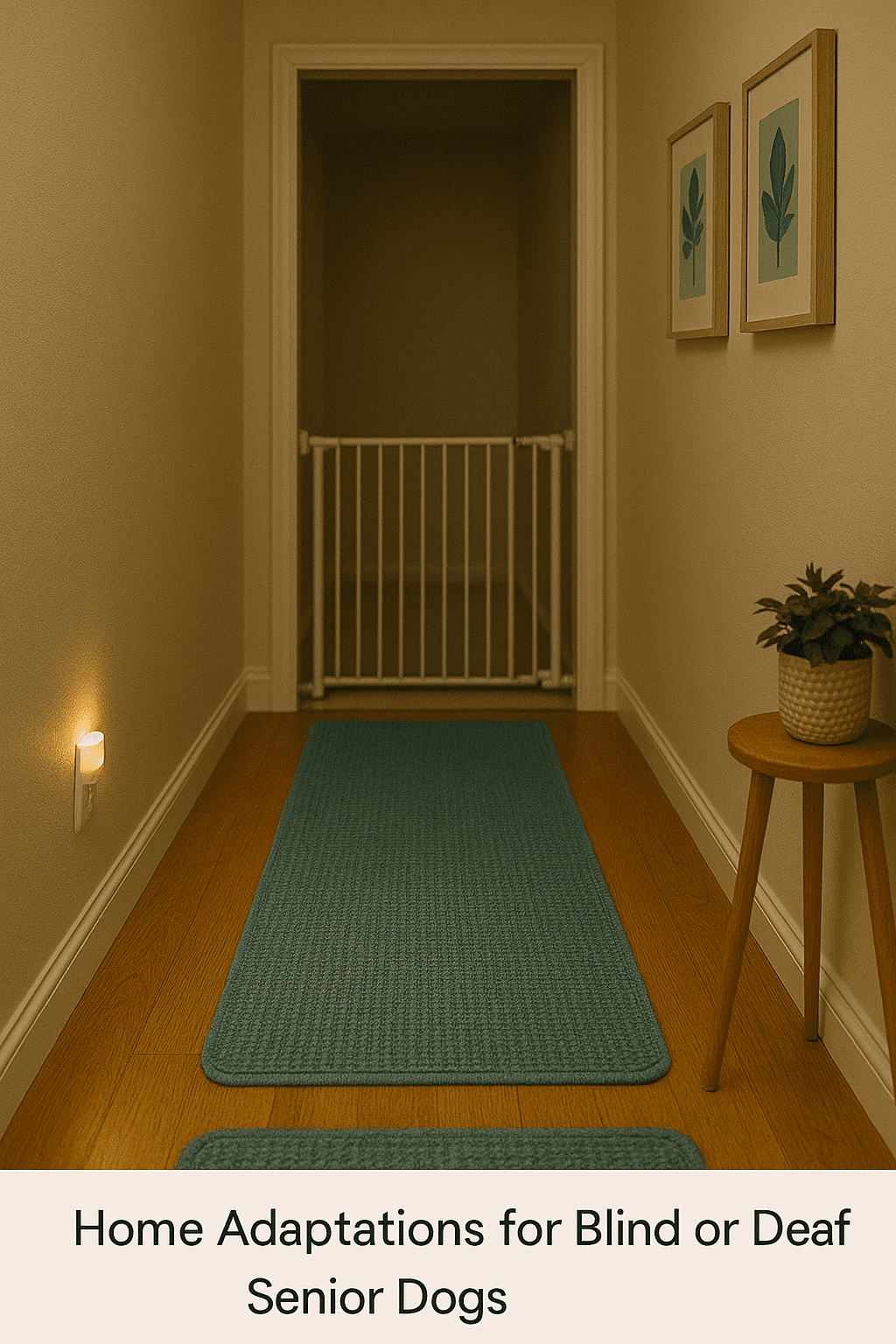
Keep the Home Layout Stable
- Avoid rearranging furniture or cluttering walkways
- Use non-slip rugs to provide traction and “pathways”
- Add baby gates to block stairways or unsafe areas
- Introduce ramps for beds, couches, or vehicles
Simple home adjustments like ramps, non-slip runners, and consistent pathways make a big difference—see our complete senior dog home adjustments guide for easy upgrades.
Improve Lighting and Visibility
- Use nightlights in hallways and near food/water stations
- Increase light in areas with steps or thresholds
- Add contrast—for example, place a darker mat under stainless steel bowls
Use Scent and Texture to Guide Your Dog
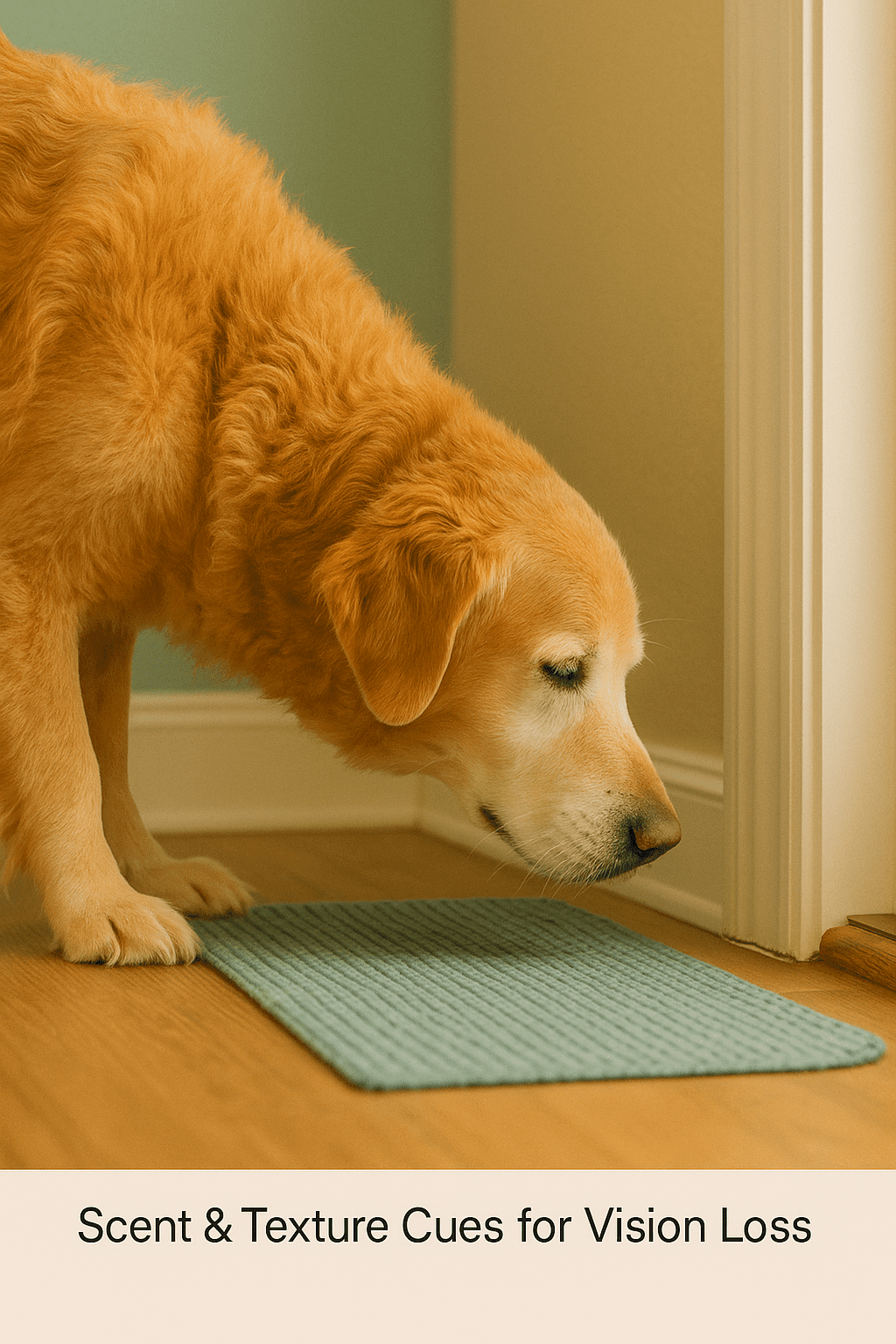
- Place subtle scent markers near important locations
- Choose beds, rugs, or mats with unique textures so your dog can navigate confidently
- Keep routines consistent to reduce anxiety
Enhance Communication for Deaf or Hard-of-Hearing Dogs
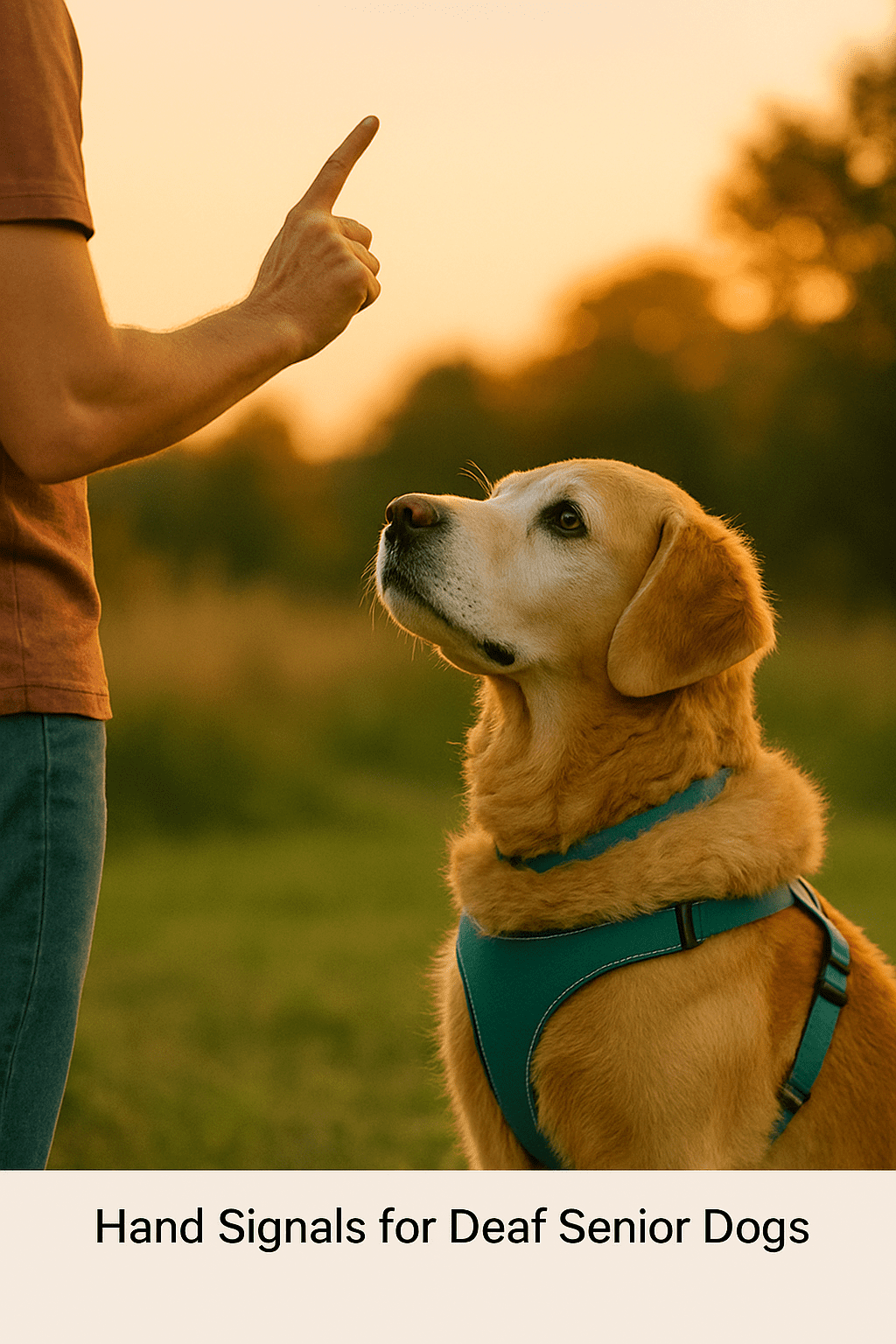
- Teach hand signals for sit, stay, come, down, and wait
- Use gentle taps on the shoulder or floor vibrations to get attention
- Approach from the front so your dog sees you coming
- Consider a vibrating (not shocking) collar to serve as a gentle “alert” cue
Reduce Stress and Maintain Engagement
- Offer sniff walks to stimulate the nose—their strongest remaining sense
- Use puzzle toys to keep the mind active
- Provide gentle touch, massage, or brushing if your dog enjoys physical contact
- Use white noise or soft music to calm anxious dogs who hear unpredictably
When Sensory Loss Is an Emergency
Contact your veterinarian immediately if you notice:
- Sudden blindness or rapid changes in vision
- Squinting, redness, bulging eyes, or signs of pain
- Thick ear discharge, strong odor, or persistent head shaking
- Sudden head tilt or loss of balance
- Dramatic behavior changes such as confusion, circling, or getting stuck in corners
These symptoms may indicate glaucoma, retinal detachment, inner ear infections, or neurological issues that require immediate care.
Can a Senior Dog Still Live a Happy Life With Vision or Hearing Loss?
Absolutely. Dogs rely heavily on scent, routine, and emotional connection—not just sight and sound. Many blind or deaf older dogs continue to enjoy:
- Walks on familiar routes
- Car rides
- Sniff-based enrichment activities
- Cozy naps in their favorite spots
- Gentle play
- Deep, loving companionship
Your dog’s world may change as their senses fade, but with your support, it can remain safe, enriching, and full of moments of joy.
Frequently Asked Questions
How can I tell if my senior dog is going blind?
Look for cloudy eyes, bumping into objects, trouble in low-light areas, or hesitation on stairs. Behavioral changes—like sticking close to you in unfamiliar places—also suggest reduced vision.
How do I know if my senior dog is deaf?
If your dog doesn’t respond to noises made outside their field of view, sleeps through commotion, or startles easily when touched, they may be experiencing hearing loss.
Is sensory decline normal in aging dogs?
Mild decline is normal, but sudden or severe changes should always be evaluated by a veterinarian.
Can blindness or deafness be reversed?
Age-related decline is usually permanent, but treatable conditions like cataracts, ear infections, or inflammation may be improved with early veterinary care.
Vision and Hearing Loss Can Feel Overwhelming at First
Vision and hearing loss in senior dogs can feel overwhelming at first, but these changes don’t diminish your dog’s ability to live a rich, comfortable, and joyful life. By understanding the signs, working closely with your veterinarian, and making thoughtful adjustments at home, you can help your aging companion stay safe, confident, and deeply connected to you in every stage of life.
For a more complete understanding of aging, explore our ultimate senior dog health guide, which covers eyesight, hearing, mobility, nutrition, and emotional well-being in one place.
Disclaimer: This article offers general educational information about senior dog vision and hearing loss. It is not a substitute for veterinary diagnosis or treatment. Always consult your veterinarian regarding your dog’s specific health needs.
Reviewed By
SeniorDogWellbeing Editorial Team
This article has been reviewed for accuracy, clarity, and alignment with evidence-based senior dog care practices. Our editorial process prioritizes reliable information from veterinary teaching hospitals, peer-reviewed studies, and trusted animal health organizations.
About the Author
Gary Bennett — Founder of SeniorDogWellbeing.com
Gary has spent over a decade researching senior dog health, nutrition, mobility, and end-of-life care. He specializes in creating science-backed, compassionate guides that help families understand and support their aging dogs. His work emphasizes practical at-home solutions, evidence-based recommendations, and safe, senior-friendly living.
Last updated: 12/10/25