If you’re a dog owner, you’ve probably wondered: When is a dog considered senior? The answer isn’t as straightforward as a number on a calendar. Just like people, dogs age at different rates depending on their size, breed, and genetics.
Not all dogs age at the same pace. The single biggest factor is size: small breeds age more slowly than large or giant breeds. Genetics, past injuries, weight history, and overall lifestyle also matter. A 12-year-old Chihuahua may still be spry, while a 7-year-old Great Dane may already show signs of slowing down. For a full breakdown of nutrition, exercise, and preventive care, see our Senior Dog Health Guide.
Senior dogs often need more frequent checkups, specialized diets, and lifestyle adjustments as they age (American Veterinary Medical Association – Senior Pets).
Understanding when your dog becomes “senior” matters because it’s a signal to adjust their diet, exercise, and healthcare. In this guide, you’ll learn:
- The average age dogs are considered senior
- How size and breed affect aging
- Physical and behavioral signs of seniorhood
- How to care for your senior dog to keep them healthy and happy
When Is a Dog Considered Senior?
The General Rule of Thumb
What age ia a dog senior? Veterinarians typically use 7 years old as the starting point for senior status. But “senior” doesn’t mean your dog is frail or at the end of their life — it simply means their body is changing, and they may need different care.
The senior stage is best seen as a transition period — one where prevention, early detection, and lifestyle adjustments can add years to your dog’s quality of life.
Size Matters: Senior Dog Age Chart
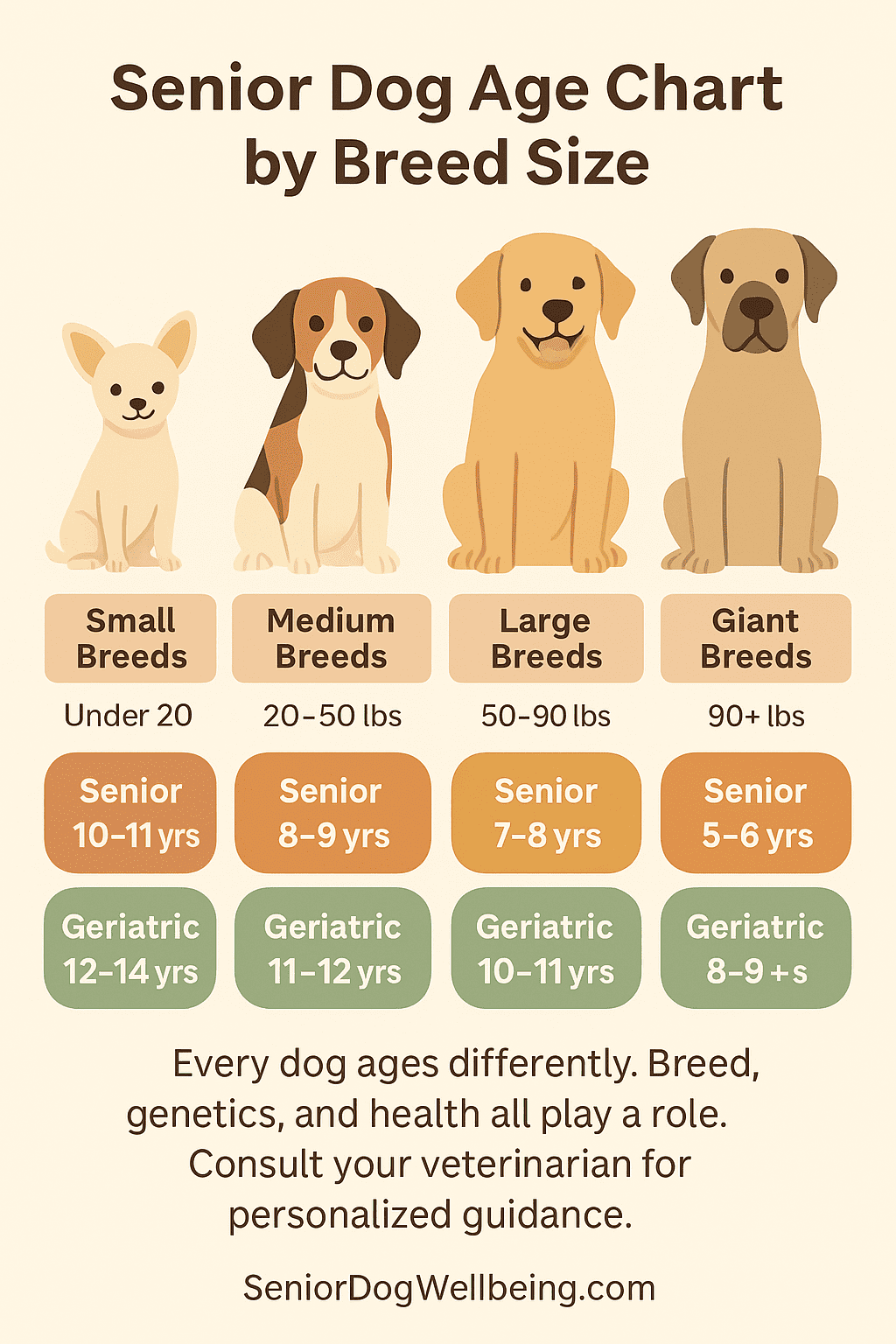
One of the biggest factors in determining when a dog becomes senior is body size. Larger dogs age faster than smaller ones, meaning they reach the senior stage earlier.
| Dog Size | Approx. Weight | Senior Age Range | Geriatric Age Range |
|---|---|---|---|
| Small breeds | Under 20 lbs | 10–11 years | 12–14+ years |
| Medium breeds | 20–50 lbs | 8–9 years | 11–12+ years |
| Large breeds | 50–90 lbs | 7–8 years | 10–11+ years |
| Giant breeds | 90+ lbs | 5–6 years | 8–9+ years |
Example:
- A Beagle may still act puppy-like at 9 years old.
- A Labrador Retriever will likely show senior traits around 8.
- A Great Dane is considered senior at 6, and geriatric by 8.
The AKC senior dog age guidelines confirm that smaller breeds age more slowly than their larger counterparts.
Note: “Every dog ages differently. Breed, genetics, and health all play a role. Consult your veterinarian for personalized guidance.”
Breed-Specific Differences
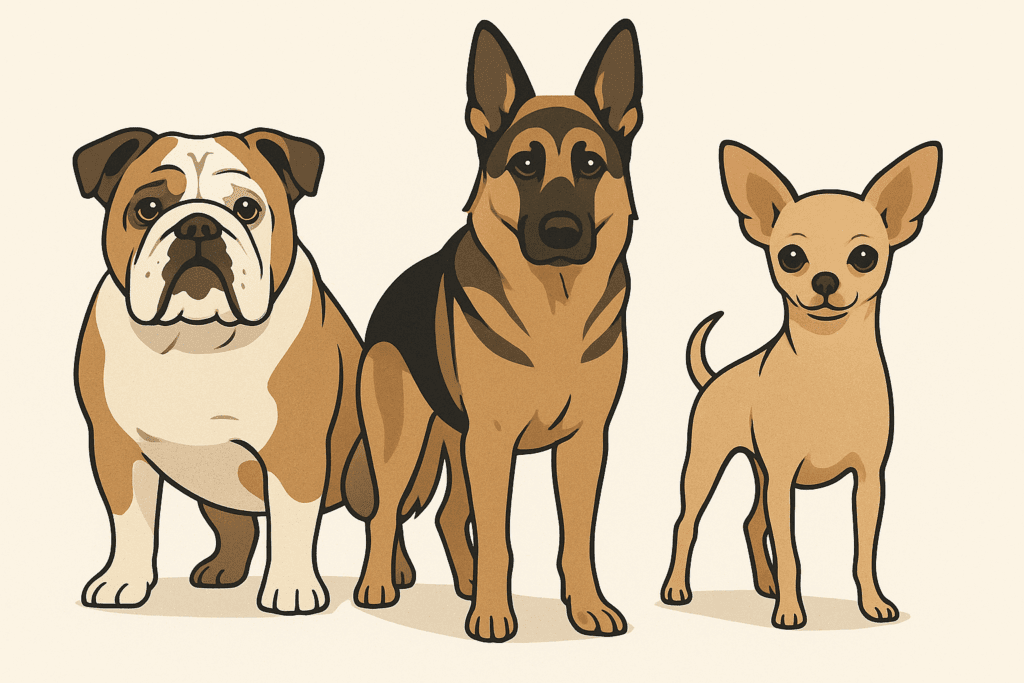
Certain breeds age differently than others, even within the same size category.
- Brachycephalic breeds (Pugs, Bulldogs, Boxers): Often show respiratory or heart issues earlier.
- Working breeds (German Shepherds, Border Collies): More prone to joint issues in their senior years.
- Toy breeds (Chihuahuas, Yorkshire Terriers): Known for longevity; may not look or act senior until 11+.
Breed genetics can play a huge role, so it’s best to monitor your individual dog rather than relying on a blanket number.
Signs Your Dog Is Entering the Senior Stage
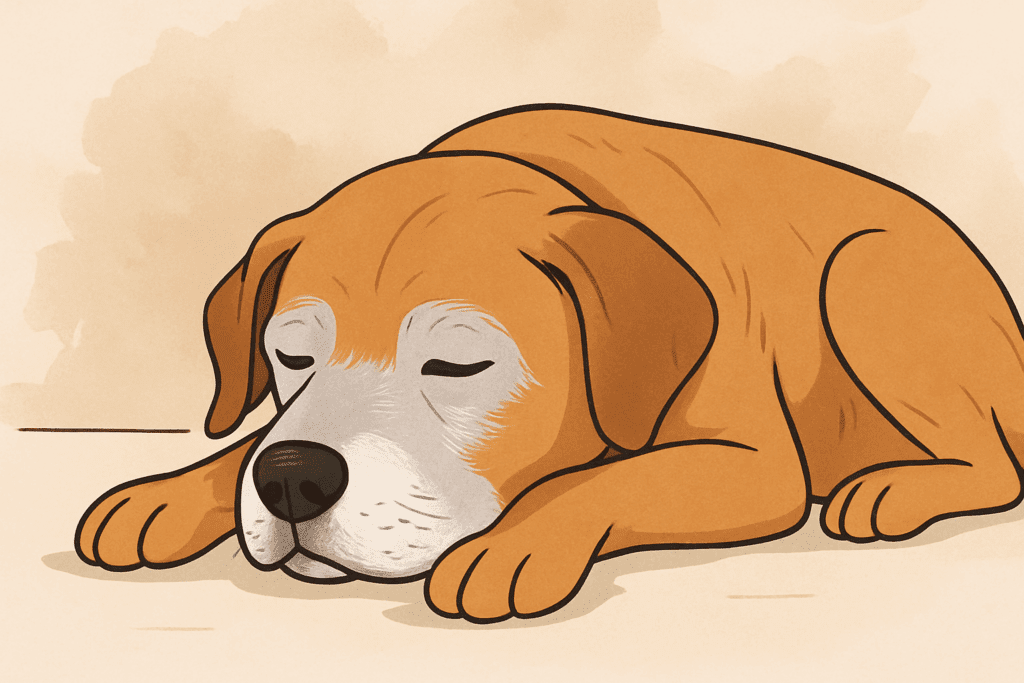
A number doesn’t tell the full story. Watch for these physical and behavioral signs that your dog is transitioning into seniorhood.
Physical Signs
- Gray hair around the muzzle and eyes
- Stiffer joints or slower to rise from resting
- Reduced muscle tone despite normal activity
- Changes in appetite or digestion
- Dental wear or more frequent dental issues
Behavioral Changes
- Increased napping and less playfulness
- Difficulty with stairs or jumping onto furniture
- Nighttime restlessness or “sundowning”
- More clinginess or separation anxiety
Health Markers
- Weight gain or loss without changes in diet
- Declining eyesight or hearing
- Increased thirst and urination (possible kidney changes)
- More frequent need for veterinary care
These changes don’t mean your dog’s quality of life is over. They’re signs to adjust care routines. Once your dog enters their senior years, they may face new challenges. Learn about the most common senior dog health issues so you know what to expect.
📌 Related Reading: Signs of Pain in Senior Dogs You Shouldn’t Ignore
Why Knowing Matters: Adjusting Care for Senior Dogs
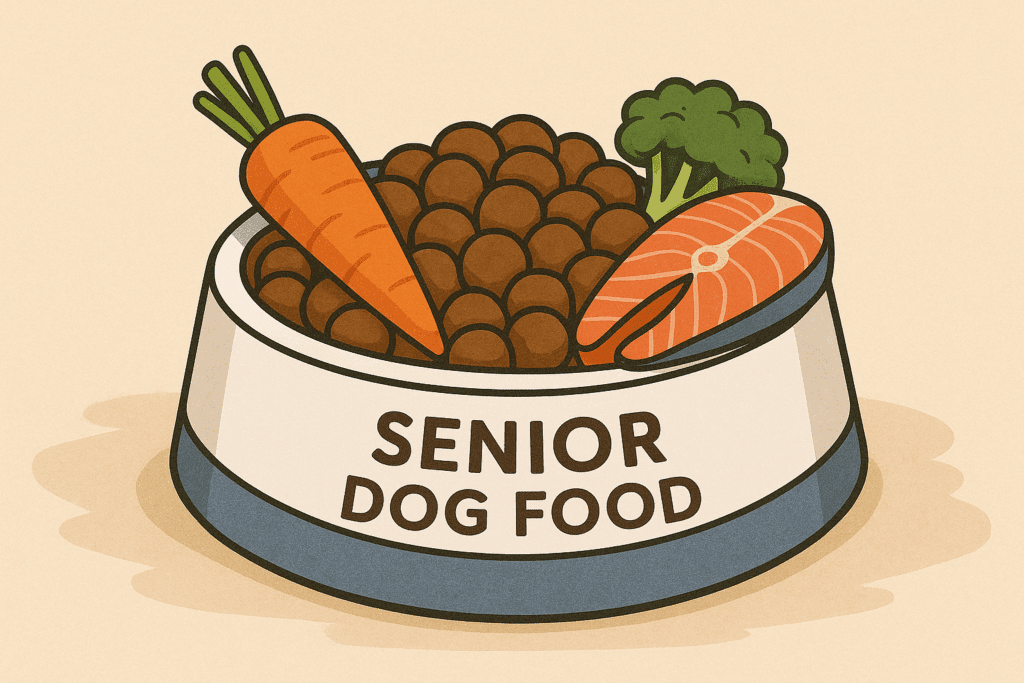
Recognizing when your dog is senior allows you to adapt their diet, exercise, and healthcare for better longevity.
As a dog’s metabolism slows, their nutritional needs change. Senior diets often emphasize joint support, protein balance, and digestive health (AAHA Senior Care Guidelines). For practical feeding tips, Cornell University’s Canine Health Center offers a helpful guide on choosing food tailored to older dogs.
Diet & Nutrition for Senior Dogs
- Switch to a senior formula dog food (lower fat, controlled calories, added joint support).
- Look for foods with antioxidants, probiotics, and omega-3 fatty acids.
- Consider Senior Dog Supplements: glucosamine, chondroitin, fish oil.
- Keep meals smaller and more frequent to improve digestion.
Once your pet reaches their golden years, you may want to adjust their diet with homemade food for senior dogs.
📌 Related Reading: Best Food for Senior Dogs
Exercise & Lifestyle Adjustments
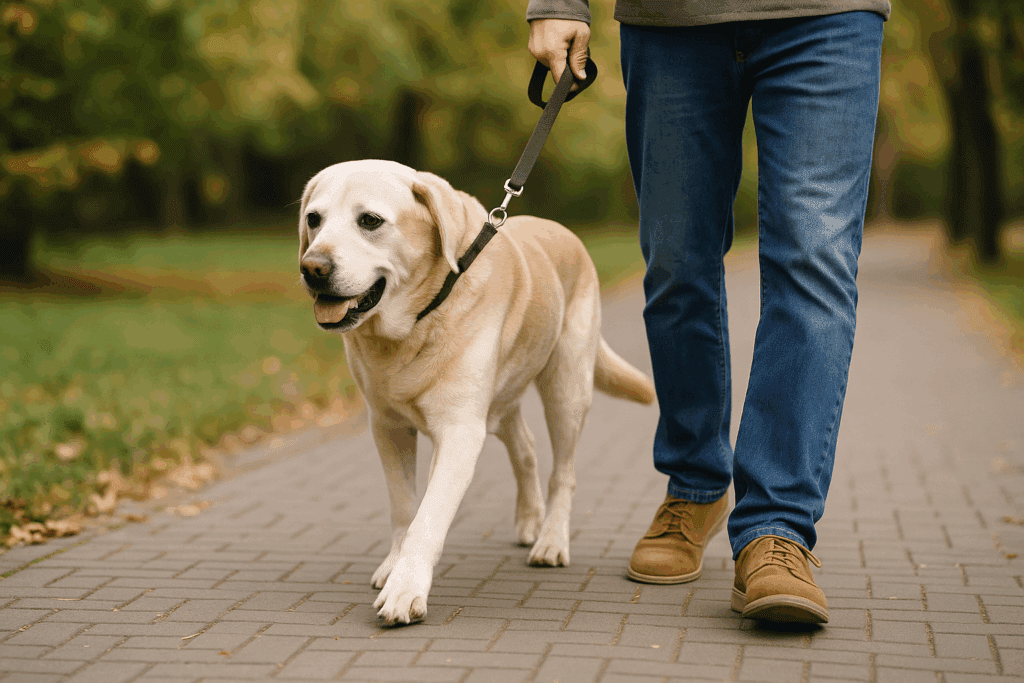
- Shorter, more frequent walks instead of long sessions.
- Avoid high-impact activities (fetch on hard ground, steep hikes).
- Add low-impact play: swimming, gentle indoor games.
- Use mobility aids like ramps, harnesses, and orthopedic beds.
📌 Related Reading: Best Orthopedic Dog Beds for Senior Dogs
Veterinary Care
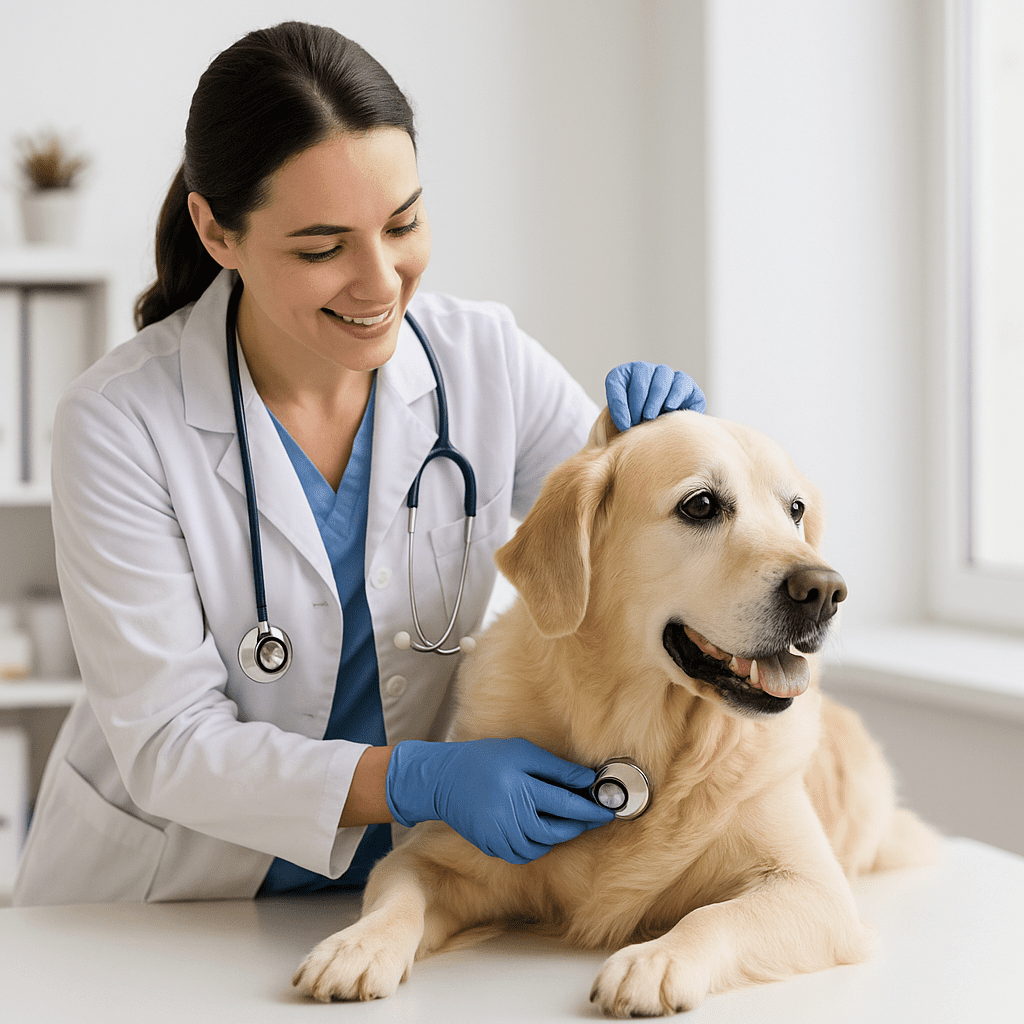
- Increase vet visits from once a year to every 6 months.
- Routine blood work to catch early issues (kidney, liver, thyroid).
- Regular dental exams and cleanings.
- Ask your vet about vaccinations, as senior dogs may need adjustments.
📌 Related Reading: Average Lifespan of Indoor vs Outdoor Senior Dogs
Senior vs. Geriatric Dogs: What’s the Difference?
“Senior” marks the period when age-related changes begin—your dog may still be active but benefits from modest adjustments. “Geriatric” describes advanced aging, when multiple body systems need closer day-to-day support. Our Senior Dog Health Checklist is a handy tool for tracking these changes at home and spotting early warning signs.
- Senior dogs: Early aging stage (still active, manageable health issues).
- Geriatric dogs: Later stage, more complex health challenges, often requiring advanced care or hospice.
“Senior” marks the period when age-related changes begin—your dog may still be active but benefits from modest adjustments. “Geriatric” describes advanced aging, when multiple body systems need closer day-to-day support. VCA Animal Hospitals notes that veterinarians often use “geriatric” to describe dogs whose daily care needs and vulnerability to disease are significantly increased.
Knowing this distinction helps you prepare care strategies early.
FAQs About Senior Dogs

At what age is a dog considered senior?
It depends on your dog’s size, breed, genetics, and health history. Small breeds often reach senior status around 10–12 years, while giant breeds may be considered senior by 5–6 years of age.
What is the difference between “senior” and “geriatric” dogs?
“Senior” refers to the period when age-related changes begin but the dog is still relatively active. “Geriatric” describes the later stage when more serious health declines and reduced mobility are common.
Do small dogs live longer than large dogs?
Yes. Small breeds generally live longer and age more slowly, often reaching 12–16 years, while large and giant breeds may live 8–10 years on average. Individual health and genetics still play a big role.
What physical signs indicate my dog is entering the senior stage?
Common signs include graying fur around the muzzle, stiffer joints, slower movement, reduced muscle tone, dental wear, and changes in appetite or digestion.
How often should I take my senior dog to the vet?
Once your dog shows senior signs, it’s best to visit the vet every six months instead of just once a year. Regular checkups, bloodwork, dental care, and mobility assessments can help catch issues early.
How can I adjust my senior dog’s diet or exercise as they age?
Switch to senior-formulated foods with joint support and moderate calories. Choose gentler, more frequent exercise such as short walks, low-impact play, and provide ramps or orthopedic beds for comfort.
Are there breed-specific aging signs I should watch for?
Yes. Flat-faced breeds (pugs, bulldogs) may develop breathing or eye issues earlier. Working breeds often show joint stress sooner. Toy breeds usually age more slowly and stay active longer.
The Good News
So, when is a dog considered senior? The short answer: around 7 years old. But the long answer depends on your dog’s size, breed, and health. Small dogs may stay youthful well into double digits, while giant breeds enter their senior stage much earlier.
The good news: With the right nutrition, exercise, and veterinary care, senior dogs can live long, comfortable, and happy lives.
👉 Next Step: Download our free Senior Dog Health Checklist to keep track of your dog’s needs and make the most of their golden years.