The Beauty of Growing Old Together
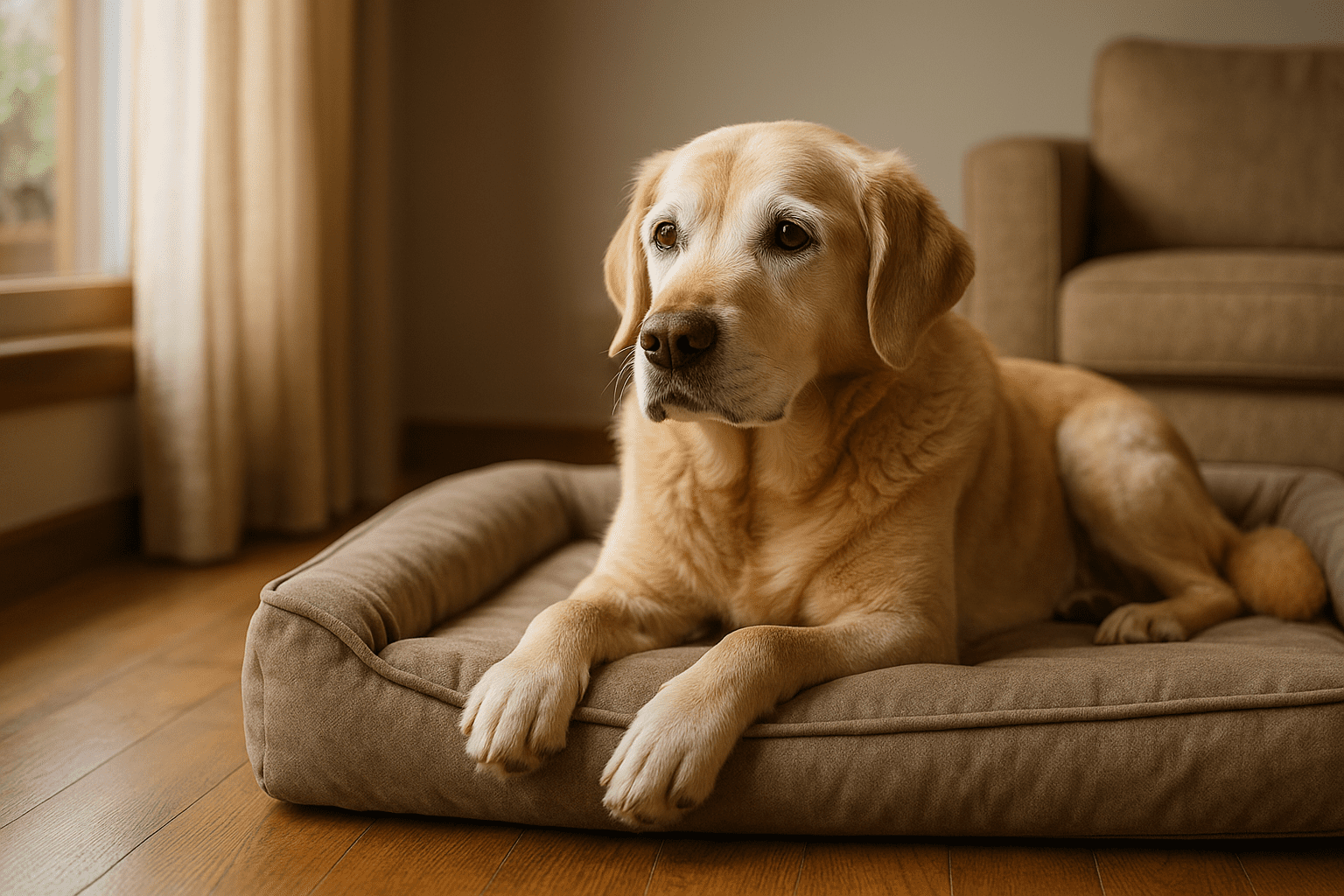
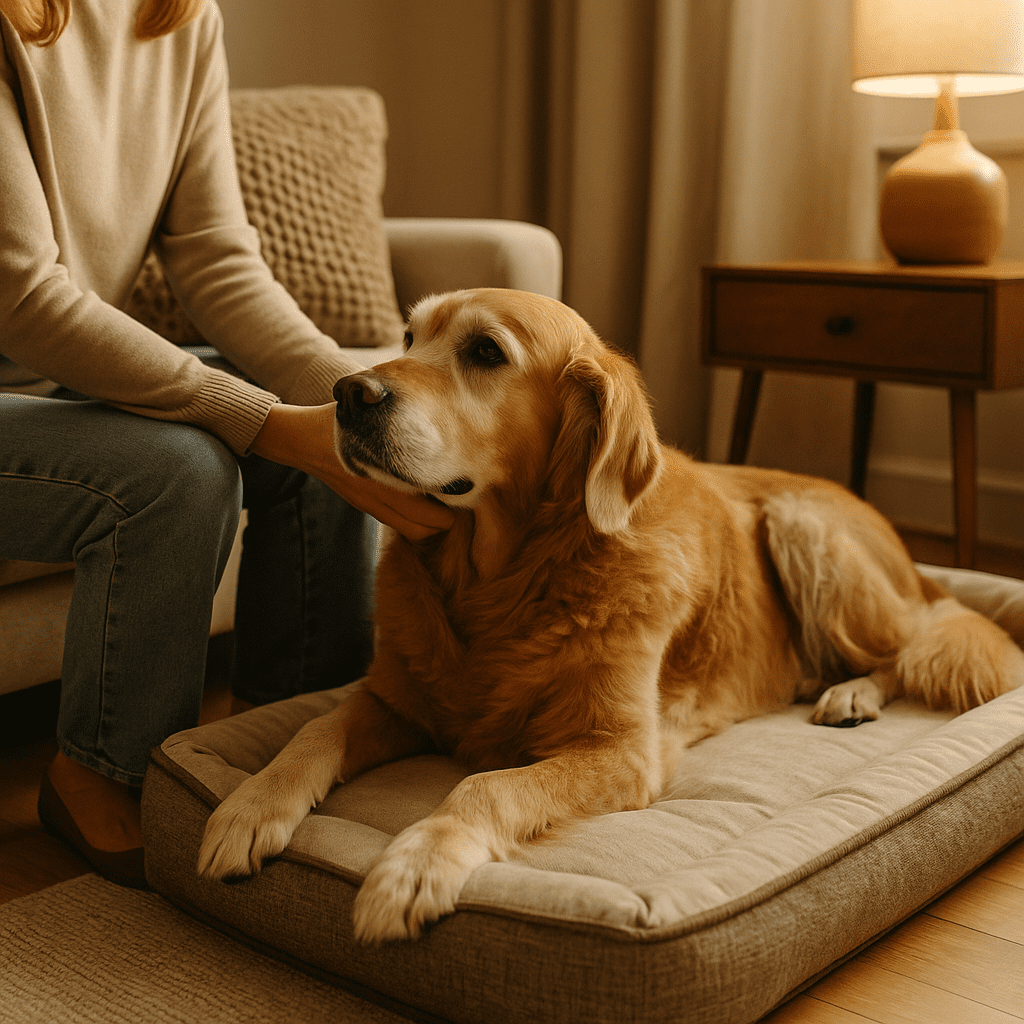
Watching your dog grow older is both heartwarming and bittersweet. The face that once chased tennis balls now wears a few gray whiskers. Their pace slows, but their devotion never fades. These later years are not a decline — they’re a new chapter of companionship that calls for empathy, attentiveness, and informed care.
A well-designed senior dog lifestyle focuses on preserving comfort, managing changes, and supporting vitality. With the right diet, home environment, and gentle exercise routine, your older dog can enjoy life fully, with dignity and joy.
Table of Contents
Understanding the Senior Dog Stage
Not every dog becomes “senior” at the same age. Small breeds can live comfortably into their mid-teens, while giant breeds may reach senior status as early as age six or seven. Generally, dogs are considered senior when they enter the final third of their expected lifespan.
Aging brings subtle physical and behavioral shifts — perhaps slower movement, reduced stamina, or cloudier eyes. Metabolism slows, muscles soften, and joints stiffen. Some dogs develop mild hearing or vision loss, or they may become more attached and easily startled. These changes are normal, but they require us to adapt daily routines.
Veterinary insight:
According to the American Veterinary Medical Association (AVMA), senior dogs should see their veterinarian every six months for wellness exams, as early intervention is key for age-related conditions such as arthritis, kidney disease, and dental issues. Preventive care remains the most powerful tool for keeping your companion thriving.
Creating Comfort Through Movement and Routine
Gentle Exercise, Lifelong Benefits
Exercise remains essential, even as your dog slows down. Regular, low-impact movement supports muscle tone, heart health, and mental well-being. But the type and intensity of activity should evolve.
For most older dogs, short, frequent walks are far better than long, strenuous ones. Swimming is another excellent option, offering resistance training without stressing joints. Keep play sessions relaxed — a bit of tug, fetch on soft grass, or hide-and-seek with treats stimulates both body and mind.
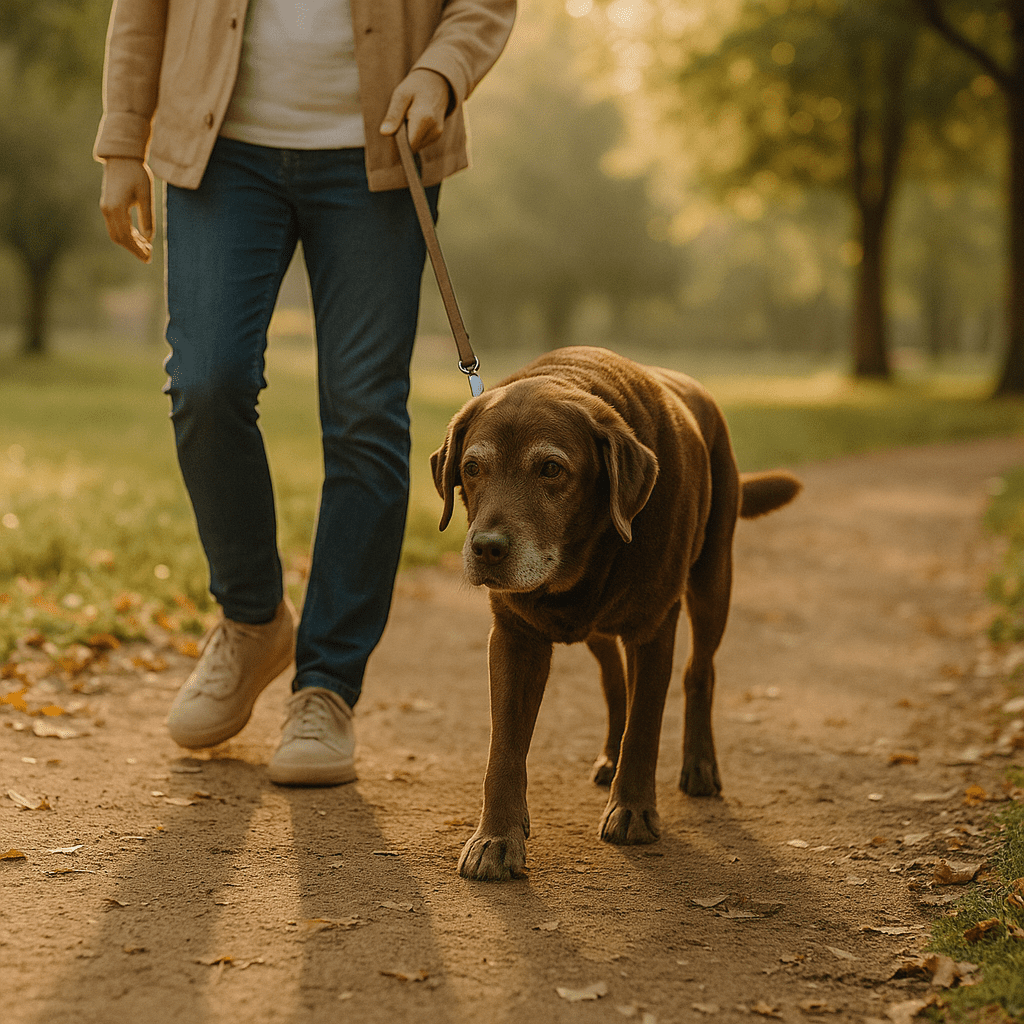
Pay attention to what your dog tells you: lagging behind, limping, or hesitating to climb stairs may mean it’s time to ease up. Never interpret slowing down as laziness — it’s the body asking for moderation. If your older dog seems less engaged during activities, sensory decline may be part of the picture—learn how to adapt play and communication in our vision and hearing loss guide.
Veterinary tip: Warm up before exercise and cool down after. Gentle stretches or massage can reduce stiffness, especially in dogs with arthritis.
Consistency and Calm
Older dogs thrive on routine. Predictable meal times, walk schedules, and rest periods reduce stress and confusion, particularly if mild cognitive decline sets in. Keep life simple and familiar. Avoid major household rearrangements or introducing loud, unpredictable environments.
If your dog seems disoriented at night, try leaving a soft light on or playing gentle white noise to comfort them.
Internal link opportunity: “Explore our Senior Dog Daily Routine Guide to help structure a stable, comforting schedule.”
Nutrition for Strength and Longevity
Adapting the Diet
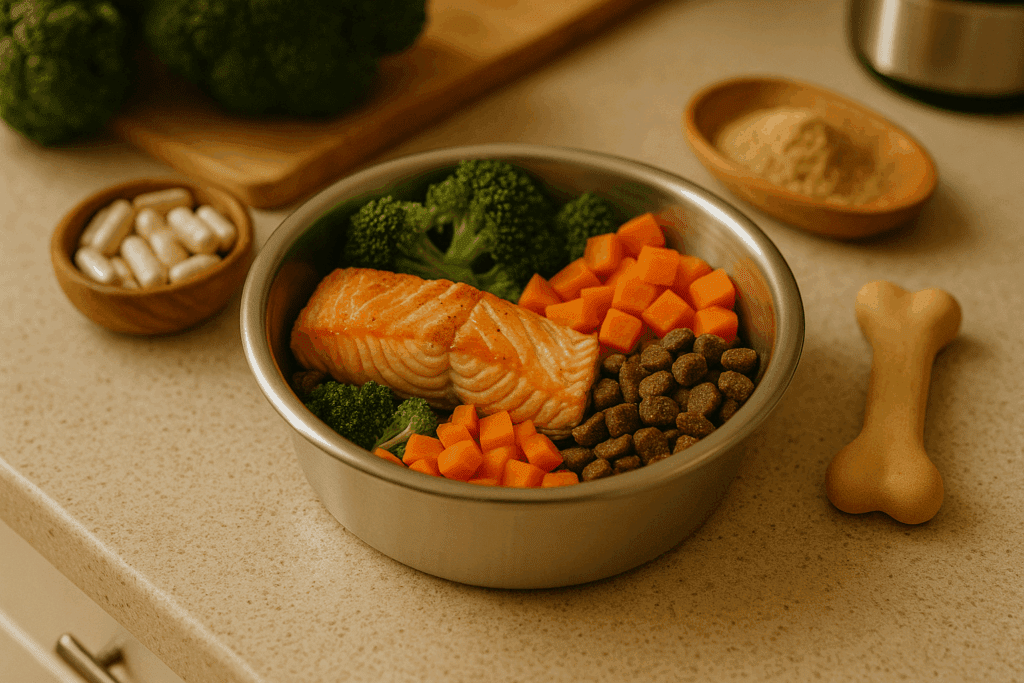
Dietary needs shift as dogs age. Calorie requirements decrease, but nutrient quality becomes more critical. Senior dogs benefit from high-protein, moderate-fat, easily digestible diets that maintain lean muscle while minimizing weight gain.
Look for foods enriched with omega-3 fatty acids, antioxidants, and joint-supporting nutrients like glucosamine and chondroitin. These help combat inflammation and preserve joint mobility. If your dog’s appetite declines or chewing becomes difficult, soften kibble with warm water or switch to a high-quality canned or fresh diet.
Read our related feature: Average Lifespan of Indoor vs Outdoor Senior Dogs
Digestive Health and Supplements
Older digestive systems often become more sensitive. Adding prebiotics and probiotics can promote gut balance, while a touch of soluble fiber (like pumpkin) helps regulate digestion.
Ask your veterinarian before adding supplements — many senior dogs benefit from joint protectants, omega-3s, and cognitive support formulas containing SAMe or medium-chain triglycerides (MCTs). Always consider your dog’s individual health profile and medications to avoid interactions.
For detailed food recommendations, see our companion post: Supplements for Senior Dogs.
Weight Management and Joint Health
Extra weight is the enemy of comfort. Even a few additional pounds can worsen arthritis, increase fatigue, and strain internal organs. If your senior dog feels “rounder” than usual, work with your vet to calculate an ideal weight.
Use portion control, measure meals, and cut back on calorie-dense treats. Replace them with healthy options like carrot slices, blueberries, or specially formulated senior treats.
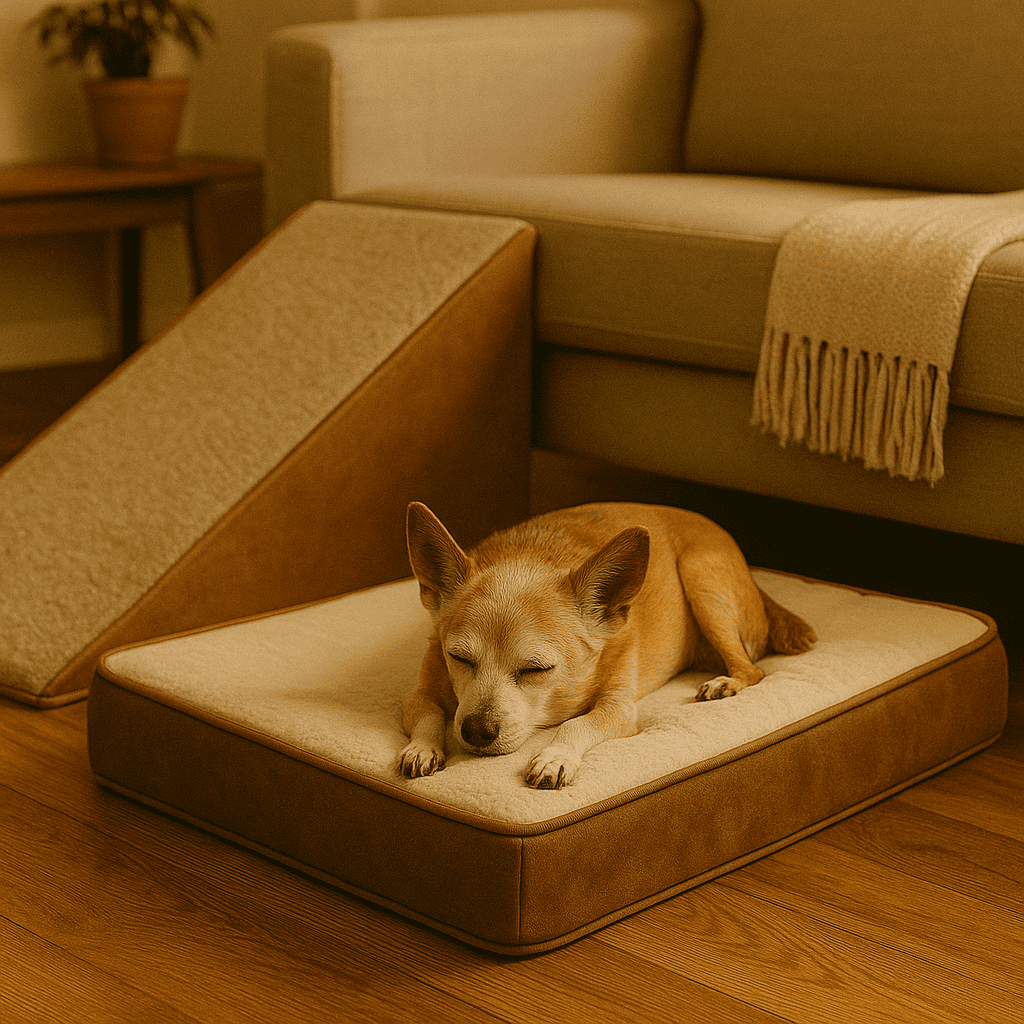
Combine weight management with low-impact exercise to protect joints and keep mobility strong. Products like orthopedic dog beds, non-slip mats, and ramp systems can help relieve pressure on stiff limbs.
Veterinary insight: According to the American Animal Hospital Association (AAHA) Senior Care Guidelines, joint disease is one of the most common issues in aging dogs — but early intervention and environmental adjustments can significantly extend mobility and quality of life.
Explore our related feature: Orthopedic Beds for Senior Dogs: What to Look For.
Creating a Safe, Supportive Home
Your dog’s comfort starts where they spend most of their time — home. Aging changes how they move, see, and feel, so small adjustments can dramatically improve quality of life.
Mobility and Safety
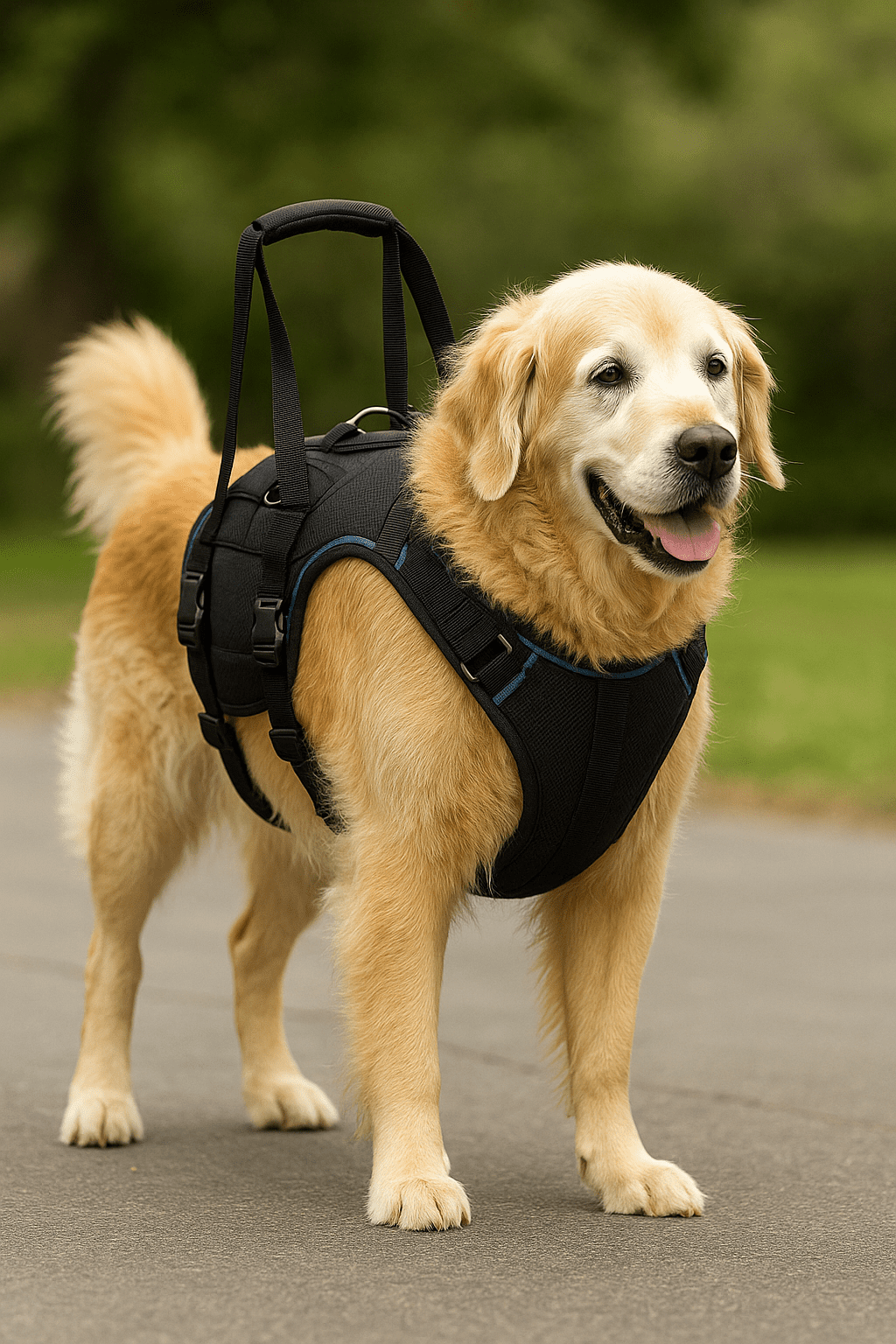
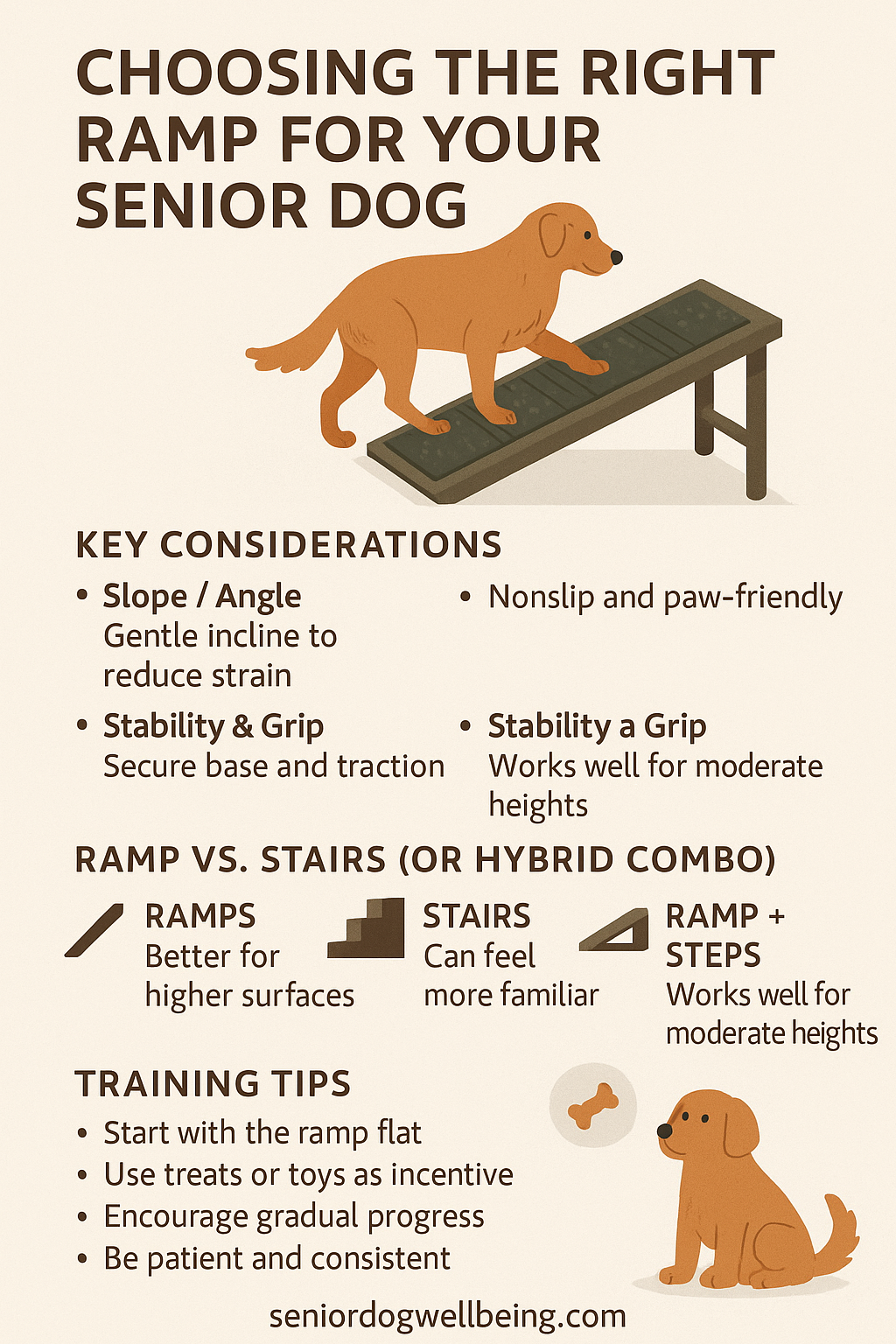
Slippery floors can intimidate an older dog. Rugs, runners, or foam mats provide traction and reduce falls. If your dog struggles with stairs or couches, install ramps or pet steps to restore independence. Keep essentials on one level to minimize strain.
Lighting also matters: dim vision and aging eyes benefit from soft ambient lights at night, especially near food bowls and sleeping areas.
Difficulty standing or lying down is often associated with senior dog pain, particularly when it worsens after rest.
Temperature and Bedding
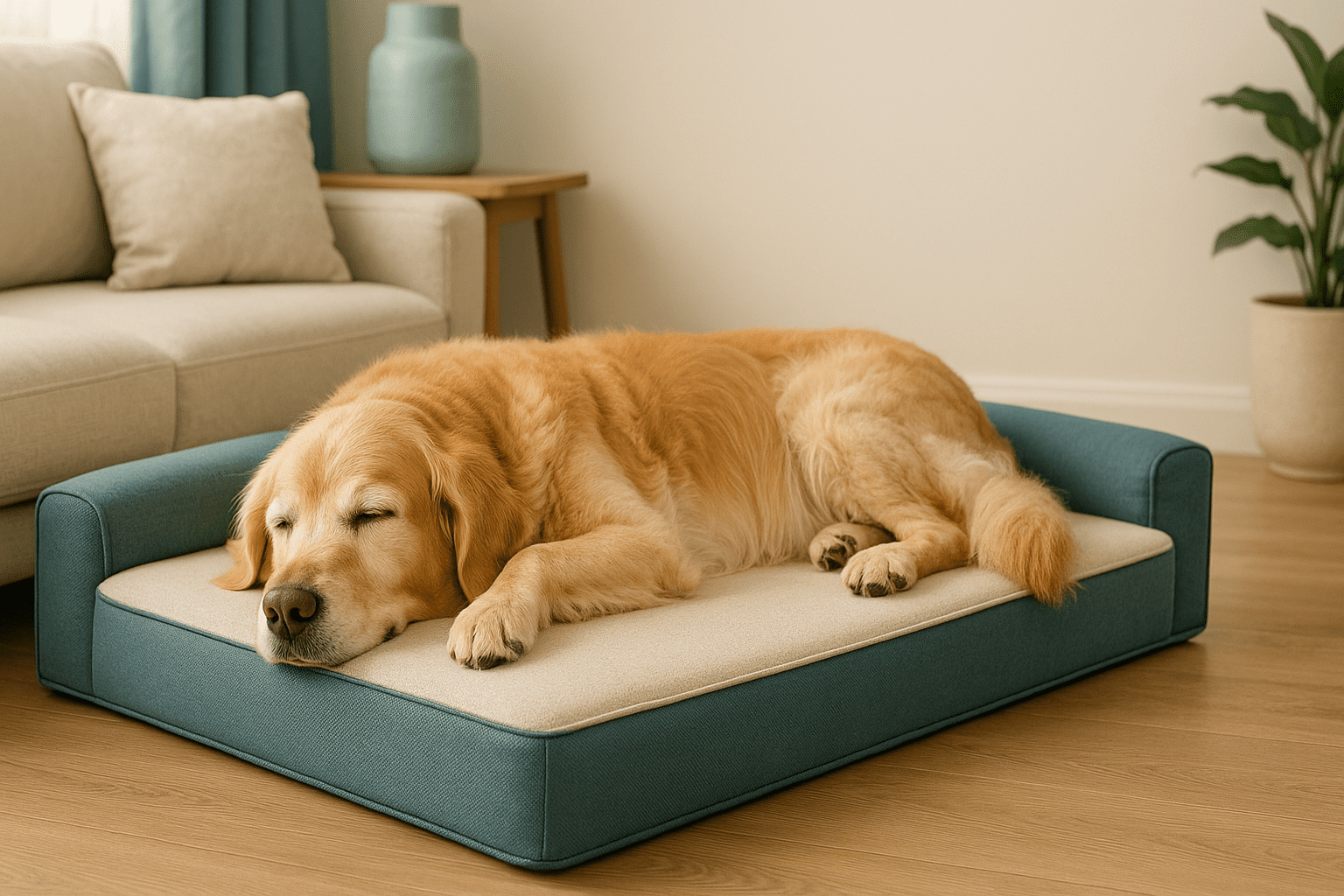
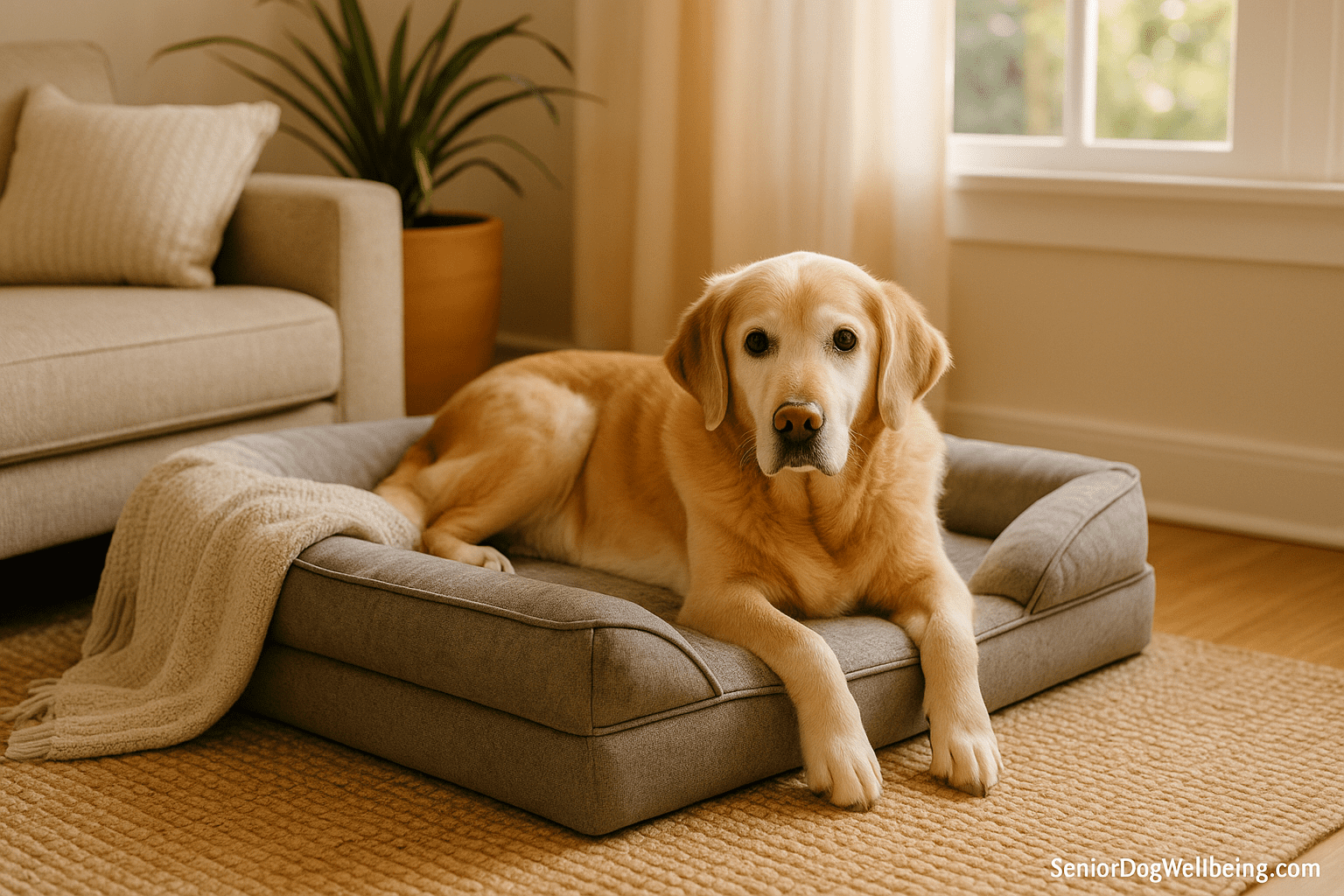
Senior dogs regulate body temperature less effectively. Provide warm bedding in cooler months and breathable materials in summer. Orthopedic or memory foam beds help relieve joint pressure, while raised edges can support arthritic necks.
Tip: Heated beds are wonderful for seniors with arthritis — just ensure they’re designed for pets and have automatic shut-offs.
For a complete setup guide, see our Senior Dog Home Comfort & Safety Checklist and Best Orthopedic Dog Beds for Senior Dogs
Health Monitoring and Preventive Care
Aging doesn’t mean illness — but vigilance is key. Many age-related conditions are manageable if caught early.
Schedule veterinary visits at least twice yearly, including bloodwork, urinalysis, dental exams, and weight checks. Between visits, observe your dog closely. Signs like persistent coughing, new lumps, excessive drinking, or changes in appetite warrant prompt evaluation.
If your senior dog slows down or seems uncomfortable, discuss pain management with your vet. Modern veterinary medicine offers options from anti-inflammatory medications to acupuncture and hydrotherapy.
Our Pain Management for Senior Dogs post explains gentle, integrative strategies that can dramatically improve quality of life.
Emotional and Cognitive Wellbeing
Mental Stimulation
Cognitive decline in senior dogs (sometimes called canine cognitive dysfunction, or CCD) can resemble dementia in humans. Early symptoms include pacing, confusion, disrupted sleep, or “forgetting” familiar routines.
To keep your dog’s mind active, offer puzzle toys, short training sessions, or scent-based games. Familiar challenges strengthen memory and reduce anxiety. Our Senior Dog Enrichment Ideas article has practical games designed for older dogs.
Emotional Support
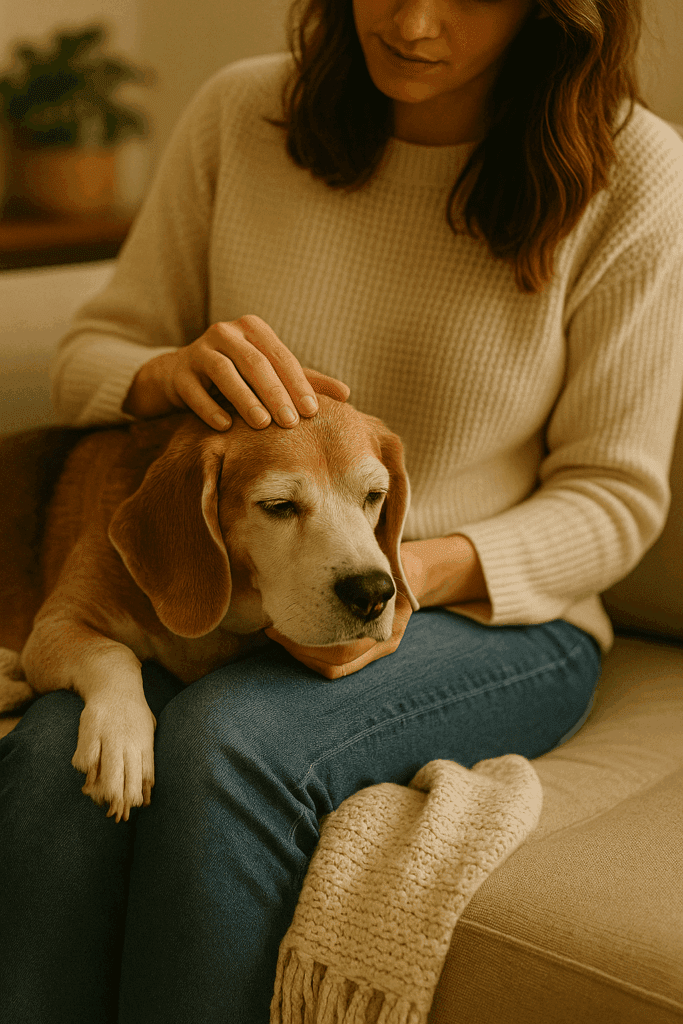
Older dogs can become more attached or anxious. Maintain calm, predictable interactions and avoid long separations. Affection, gentle touch, and companionship promote relaxation and even improve physical health through lowered stress hormones.
External veterinary source: The VCA Animal Hospitals Senior Dog Care Guide notes that emotional wellness is a major factor in extending lifespan and reducing cognitive decline.
Palliative and End-of-Life Care
No one wants to imagine the end, but preparing for it helps ensure your dog’s comfort and dignity. Palliative care focuses on pain control, hydration, and emotional peace. When mobility, appetite, and joy fade, compassionate euthanasia may be the kindest choice.
Many families now choose in-home pet hospice services, which allow dogs to rest surrounded by familiar scents and loved ones. Our Senior Dog Hospice & Comfort Care Guide offers compassionate guidance for this stage.
Love doesn’t end when life does — it becomes legacy. The time you share now will always be part of your bond.
Aging Gracefully, Living Fully
Aging is a journey we take together. Each walk may be slower, but every glance carries years of love and loyalty. By embracing a thoughtful senior dog lifestyle — balancing comfort, nutrition, movement, and emotional support — you help your companion live not just longer, but better.
At Senior Dog Wellbeing, our goal is to help you transform these years into something golden — warm days, cozy beds, and love that never stops growing.
🩺 FAQ: Senior Dog Lifestyle & Comfort
What age is considered senior for a dog?
It varies by breed and size. Large breeds may reach senior status around age six, while small breeds may not until ten or eleven. Your vet can help determine the right time for senior care adjustments.
How can I make my senior dog more comfortable at home?
Provide soft, supportive bedding, easy floor traction, and access to ramps or stairs. Keep water close, maintain moderate temperatures, and ensure a peaceful environment with predictable routines.
What’s the best exercise routine for an older dog?
Low-impact activities like walking, swimming, or gentle play sessions are ideal. Avoid overexertion or hard surfaces. Daily movement — even 15 minutes — helps maintain flexibility and heart health.
What should I feed my senior dog?
Senior diets should include quality protein, moderate fat, and joint-supporting nutrients like omega-3s and glucosamine. Choose foods labeled for older dogs and consider probiotics for digestion. Visit our Senior Dog Nutrition Guide.
How do I recognize pain in my senior dog?
Signs include stiffness, reluctance to move, difficulty standing, or changes in mood or appetite. Some dogs may lick painful joints or isolate themselves. Consult your vet for a pain assessment.
How can I support my dog’s emotional health as they age?
Consistency and companionship matter most. Offer gentle affection, mental enrichment, and calm reassurance. Avoid abrupt changes to routine or environment, which can cause stress or confusion.
When should I discuss hospice or end-of-life options?
When your dog struggles to eat, move, or rest comfortably — and when joy seems to fade — talk to your veterinarian about palliative options. Early planning ensures comfort and peace in your dog’s final stage.
Should senior dogs take supplements?
Yes, many benefit from glucosamine, fish oil, or cognitive-support nutrients. However, supplement needs vary, so always consult your vet to avoid conflicts with medication or diet.
How often should my senior dog see the vet?
At least twice a year. Routine exams, bloodwork, and dental care allow early detection of age-related issues and help your vet adjust diet or medication proactively.
Can an older dog still be happy and active?
Absolutely. With the right balance of exercise, nutrition, and comfort, senior dogs can enjoy vibrant, meaningful lives. Their pace may slow, but their spirit remains unstoppable.