Why Senior Dog Nutrition Matters
Watching your beloved dog grow older is bittersweet. Their gray muzzle, slower pace, and extra naps are reminders that they’ve entered a new life stage — one where nutrition can make all the difference. Just like people, dogs’ dietary needs evolve with age. A food that worked perfectly when they were younger may no longer support their joints, digestion, or energy levels.
The truth is, senior dog nutrition is about much more than calories. It’s about fueling their body in a way that supports muscle, protects the heart, sharpens the mind, and prevents avoidable health issues. By fine-tuning your dog’s diet, you’re giving them not just extra years, but better quality years — filled with comfort, vitality, and tail wags. For a general overview of senior pet care, the American Kennel Club offers excellent guidance.
When Is a Dog Considered Senior?
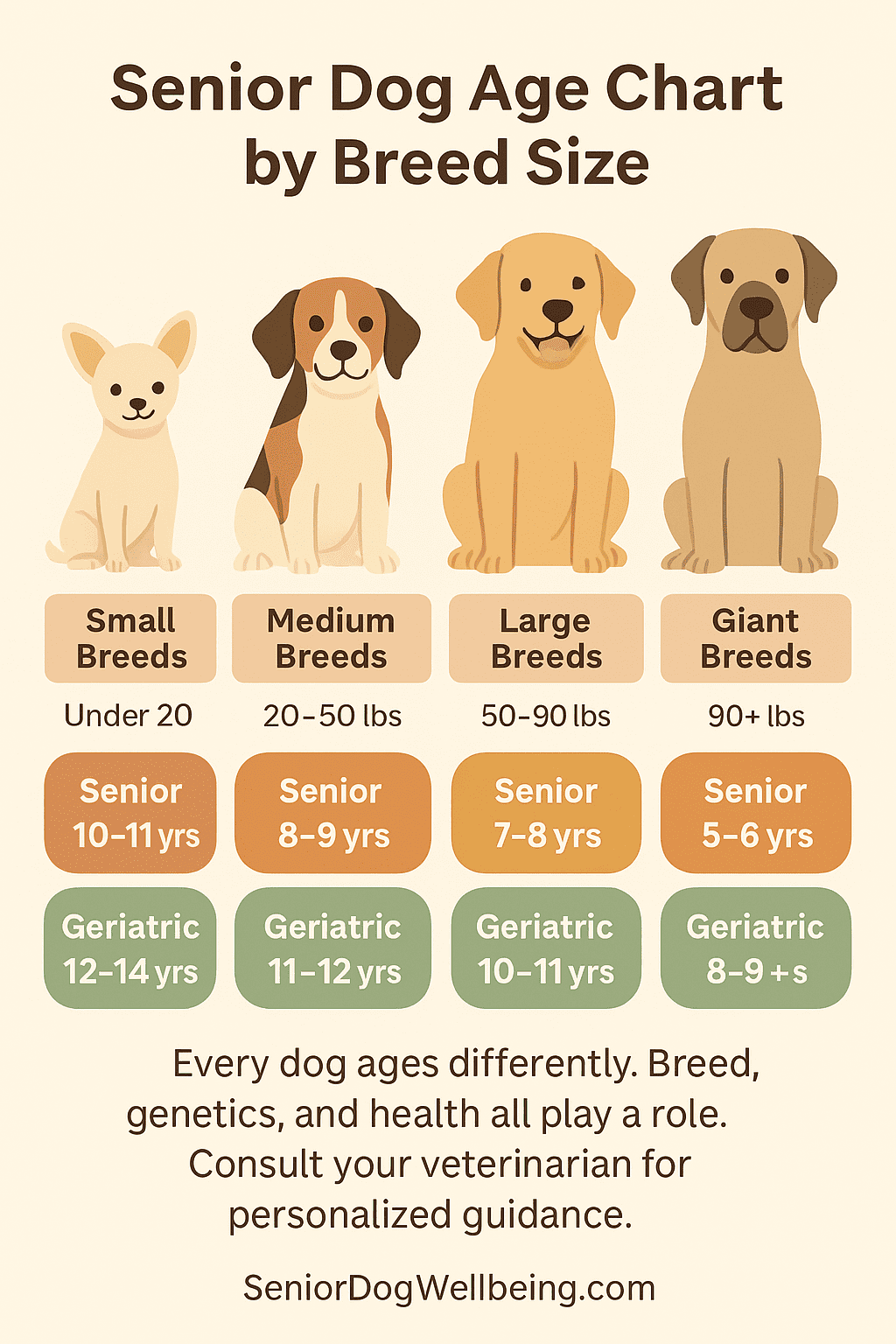
Not all dogs age at the same rate. A Chihuahua may bounce around happily at 12 years old, while a Great Dane may start slowing down as early as 6. That’s why defining what makes a “senior dog” can be tricky. Veterinarians usually use size and breed as a guide: larger dogs age faster than smaller ones.
Knowing when your dog enters their senior years is important because it helps you adapt their diet and lifestyle before problems appear. For more details on when pets are considered senior and how to care for them, see our Senior Dog Health Guide.
Nutritional Needs of Senior Dogs
| Nutrient | Why It Matters | Typical Target/Note* |
|---|---|---|
| Protein | Preserves muscle, strength | ~20–30% (healthy seniors may tolerate more) |
| Omega-3 (EPA/DHA) | Joint & cognitive support | From fish oil or enriched diets |
| Fiber | Digestive regularity | ~3–7% (mix soluble/insoluble) |
| Calories | Weight management | Adjust ~10–30% lower than adult maintenance, per dog |
| Joint nutrients | Mobility & comfort | Glucosamine/Chondroitin/MSM; vet-guided |
*Always tailor with your veterinarian, especially for kidney, liver, pancreatic, or weight-related conditions.
Older dogs don’t just need “less food” — they need better food. As dogs age, their body becomes less efficient at absorbing nutrients, which means every bite has to count. Senior diets are designed to balance protein, fats, fiber, vitamins, and minerals in a way that meets their changing physiology.
Think of it this way: puppies need food to grow, adults need food to maintain, and seniors need food to protect. The right nutrients can slow cognitive decline, reduce inflammation, strengthen immunity, and maintain muscle mass. For a science-backed breakdown, see Tufts University’s advice on nutrition for senior dogs.
1. Protein for Senior Dogs: Preventing Muscle Loss

Muscle mass is one of the first things to decline with age, and once lost, it’s hard to regain. This is why protein for senior dogs is so critical. Contrary to old advice, most healthy older dogs actually benefit from more protein, not less.
High-quality proteins support mobility, stamina, and overall body condition. Without them, dogs risk frailty, which can lead to reduced independence. If your senior pup has kidney concerns, consult your vet and review Tufts’ guidance on protein and renal disease in dogs.
2. Healthy Fats & Omega-3s

Fats often get a bad rap, but the right fats can be incredibly powerful for senior dog nutrition. Omega-3 fatty acids, in particular, act like natural anti-inflammatories, helping to soothe stiff joints and protect against arthritis. They also support brain health, which is vital since some older dogs can experience cognitive decline.
Incorporating foods or supplements rich in fish oil doesn’t just make meals tastier — it can keep your senior pup mentally sharp and physically more comfortable. The VCA Animal Hospitals explain why omega-3s are one of the most highly recommended supplements for senior dogs.
3. Fiber & Digestibility

Digestion changes with age. Just as older people may find certain foods harder to tolerate, senior dogs often develop sensitive stomachs. Fiber becomes essential here. It helps regulate bowel movements, prevent constipation, and feed the good bacteria in the gut.
Adding more fiber doesn’t mean making food bland — it means ensuring your dog’s system runs smoothly. PetMD notes that the right fiber can make mealtimes more comfortable for aging dogs.
4. Vitamins & Minerals for Older Dogs

Just like senior multivitamins in people, vitamins and minerals play a protective role in senior dogs. Antioxidants help combat oxidative stress, glucosamine and chondroitin help cushion joints, and calcium supports bone strength.
If you want professional guidelines, the American College of Veterinary Nutrition provides resources on how dogs’ micronutrient needs shift with age.
5. Calorie Control & Weight Management
Weight control is one of the most overlooked aspects of senior dog care. As metabolism slows, many older dogs start to gain weight even if their diet hasn’t changed. Extra pounds put pressure on already stiff joints, strain the heart, and increase the risk of diabetes.
Switching to a senior dog weight management formula ensures they receive all the necessary nutrients without excess calories. According to the Association for Pet Obesity Prevention, over 50% of U.S. dogs are overweight, which makes weight management especially important for seniors.
Many owners are surprised by dog gaining weight without eating more, especially as dogs age and calorie needs quietly decline.
If you’re unsure how much should my senior dog eat, our dog weight and food calculator can help estimate daily calories and portion sizes based on age, weight, and activity level.
Dry vs. Wet vs. Fresh Senior Dog Food

Choosing between dry, wet, or fresh food isn’t just about preference — it’s about what works best for your senior dog’s needs.
- Dry food may be easier to store and cheaper, but can be tough on dogs with dental issues.
Blue Buffalo Life Protection Formula Senior (Dry)
Balanced senior kibble with glucosamine & chondroitin for joint support; moderate protein for everyday seniors.
View on AmazonOrijen Senior Grain-Free (Dry)
High meat, grain-free recipe for active seniors who tolerate richer protein well; limited fillers.
View on Amazon- Wet food is more hydrating and appetizing, making it perfect for picky eaters or those with missing teeth.
Hill’s Science Diet Adult 7+ Stew (Wet)
Palatable canned option to boost moisture and appetite for picky seniors.
View on AmazonPurina Pro Plan Adult 7+ (Wet)
Good texture variety; helps add moisture and flavor to mixed diets.
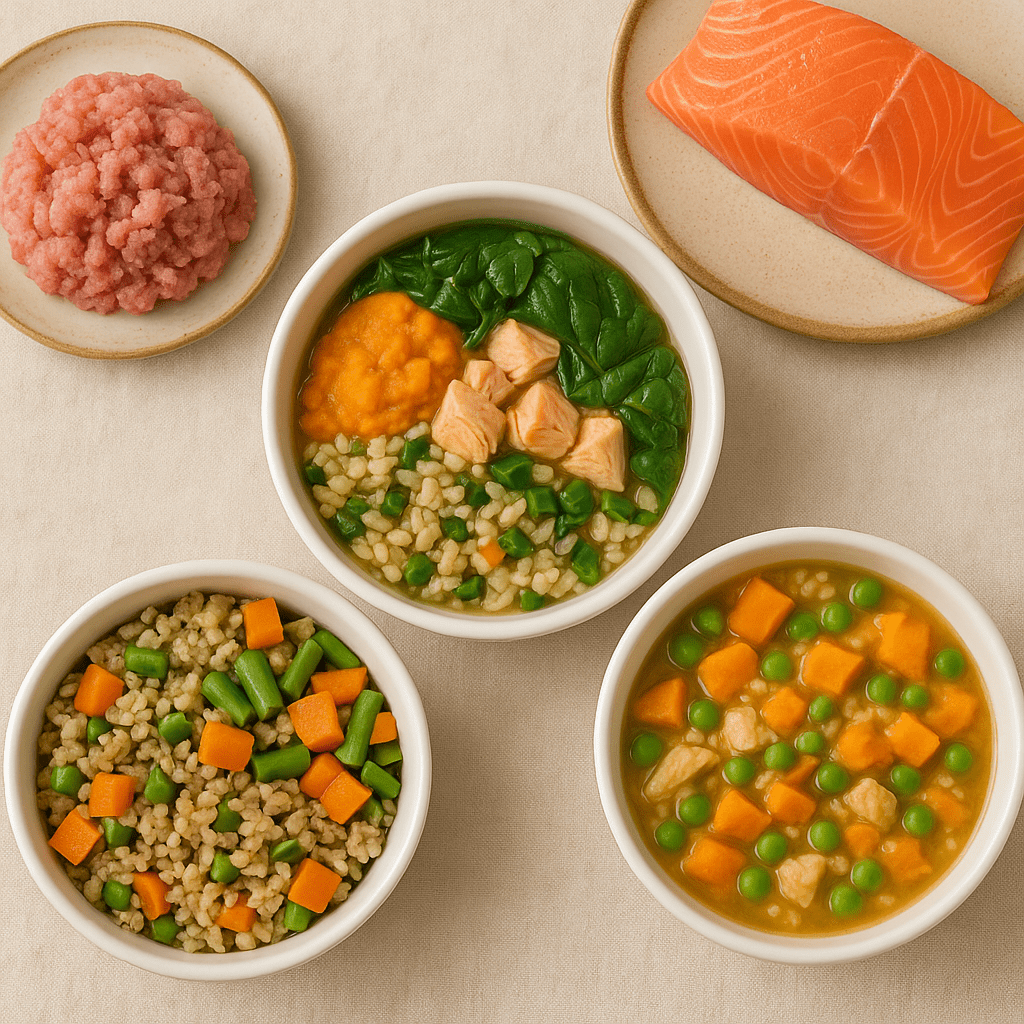
View on Amazon- Fresh or vet-approved homemade diets can be incredibly nourishing, but they must be carefully balanced to avoid deficiencies.
For expert guidance on balancing your dog’s diet, see our Homemade Food for Senior Dogs.
Common Senior Dog Diet Plans
Senior diets aren’t one-size-fits-all. Some dogs may need fewer calories, while others require specialized formulas for kidneys, joints, or digestion.
- Weight management formulas help prevent obesity.
- Joint-support diets often include omega-3s, glucosamine, and chondroitin.
- Kidney support diets restrict protein and phosphorus.
- Sensitive stomach diets ease digestion for older dogs.
Our Best Food for Senior Dogs Guide provides excellent resources for tailoring diets to your dog’s health status.
Feeding Tips for Senior Dogs
Feeding isn’t just about what you put in the bowl — it’s also about how you feed. Senior dogs often do better with smaller, more frequent meals. Elevated bowls reduce neck strain, and softer textures can help if chewing is difficult.
Monitoring water intake is equally important, since dehydration sneaks up quickly on older dogs. A few small changes in mealtime routine can mean the difference between a dog that struggles and a dog that thrives in their senior years.
Supplements for Senior Dogs
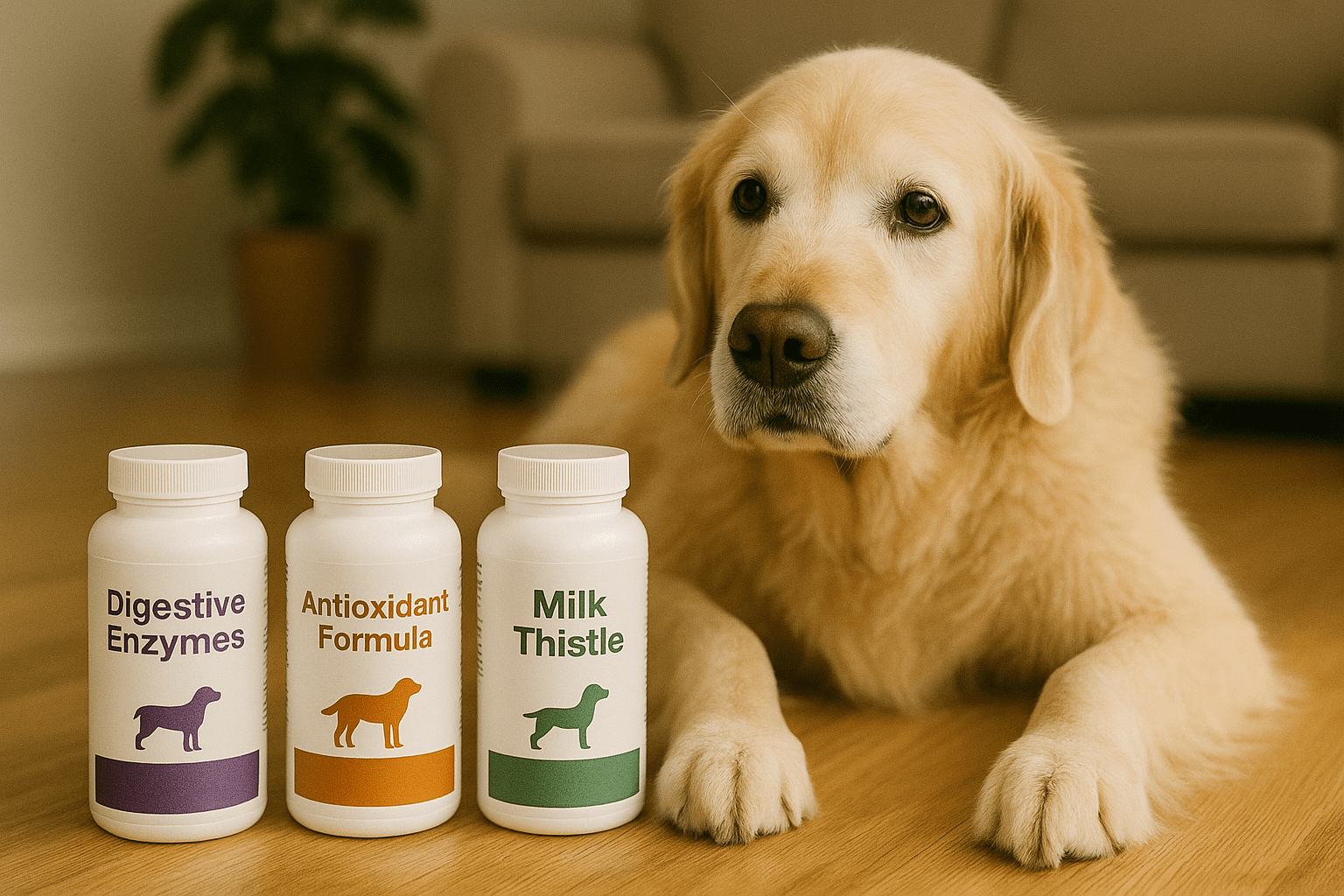
Even the best diet sometimes needs a boost. Senior dog supplements fill nutritional gaps and support specific health concerns. Fish oil reduces inflammation, glucosamine helps stiff joints, probiotics balance the gut, and coconut oil keeps coats shiny.
| Supplement | Key Ingredients | Use | Buy |
|---|---|---|---|
| Cosequin DS + MSM | Glucosamine, Chondroitin, MSM | Daily joint support & mobility | Check price |
| Dasuquin with MSM | Glucosamine, Chondroitin, MSM, ASU | Advanced joint support | Check price |
| Welactin (Omega-3) | EPA/DHA fish oil | Joints, skin/coat, cognitive | Check price |
| FortiFlora (Probiotic) | Enterococcus faecium, prebiotics | Digestive health & stool quality | Check price |
Cornell University’s veterinary experts share helpful advice on supplements for pets, including when and how to use them safely.
Signs Your Senior Dog’s Diet Needs a Change

Dogs can’t tell us when something feels off — but their bodies show us. Sudden weight loss, unexplained gain, dull fur, or digestive problems can all signal that your dog’s current food isn’t meeting their needs.
Being observant and adjusting quickly ensures your dog doesn’t suffer needlessly. Nutrition should evolve as your dog does, and tweaking the diet at the right time can prevent bigger health problems down the road.
Keeping Older Dogs Healthy
Aging is inevitable, but suffering doesn’t have to be. With the right senior dog nutrition plan, you can help your pup stay active, alert, and happy. Think of nutrition as a form of love — every bowl of the right food is a step toward giving them more good days.
By choosing the best food for senior dogs, supplementing wisely, and adjusting as needed, you’ll give your best friend not just a longer life, but a better one. See our Senior Dog Lifestyle Guide for daily tips.
FAQ: Senior Dog Nutrition
Should senior dogs eat less protein?
Many dog owners wonder if senior dogs need less protein because older kidneys can sometimes struggle with high-protein diets. The truth is more nuanced. Unless your senior dog has been diagnosed with chronic kidney disease or another medical condition that requires protein restriction, most seniors actually benefit from more high-quality protein in their diet.
How much should a senior dog eat?
The amount of food your senior dog should eat depends on factors like age, weight, activity level, and overall health. On average, older dogs need 20–30% fewer calories than when they were younger adults, since their metabolism slows with age. For example, a 50-pound senior dog may only need 800–1,000 calories per day instead of the 1,200–1,400 they ate in mid-life.
Is grain-free better for older dogs?
The popularity of grain-free dog food has led many pet owners to believe it’s automatically healthier, but that’s not always true. For most senior dogs, whole grains like brown rice, oatmeal, and barley are excellent sources of fiber, B vitamins, and minerals. These nutrients can improve digestion, stabilize energy levels, and support heart health.
What is the best food for senior dogs with arthritis?
If your dog has arthritis or stiff joints, diet can make a big difference in comfort and mobility. The best food for senior dogs with arthritis should be rich in anti-inflammatory nutrients, including omega-3 fatty acids (EPA & DHA) from fish oil. These help reduce joint inflammation and stiffness. Look for formulas specifically labeled as “joint support” or “mobility care.”
How to transition a dog to senior food?
Switching your dog to senior dog food should be a gradual process to avoid upsetting their stomach. Start by mixing 25% senior food with 75% of their old food for 2–3 days. Then, move to a 50/50 mix for another few days, followed by 75% new food and 25% old food. Within 7–10 days, your dog should be fully adjusted to their new diet.