
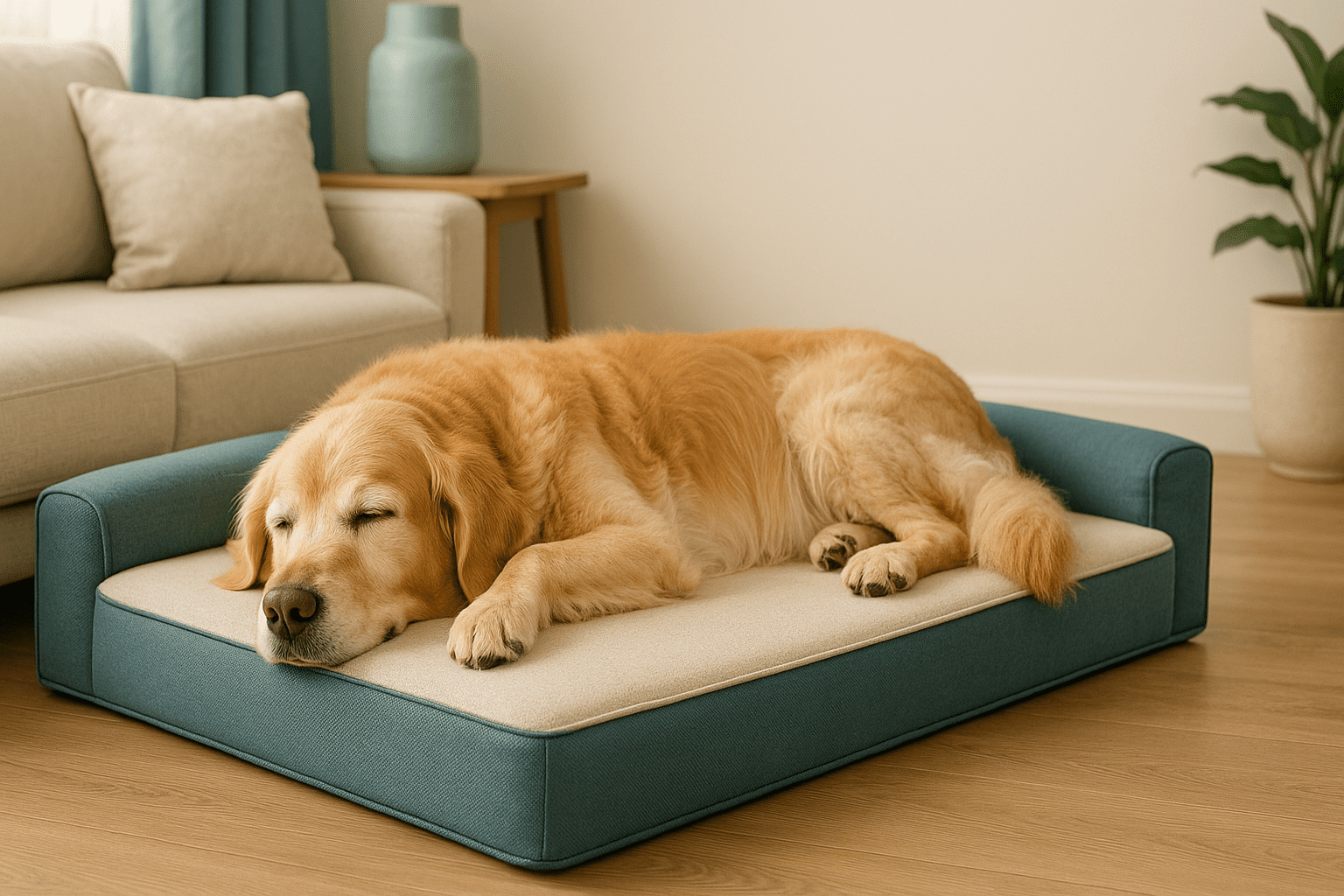
Top 5 Orthopedic Dog Beds for Senior Dogs (2025 Review)
Older dogs sleep better—and move better—on true orthopedic foam that cushions joints and reduces pressure on hips, elbows, and spine. Below we compare the top 5 orthopedic dog beds for seniors, plus a quick buyer’s checklist so you can match the right bed to your pup’s needs.
At a Glance: Top Picks
| Bed | Best For | Core Foam/Support | Care & Cover | CTA |
|---|---|---|---|---|
| Big Barker Orthopedic | Large/Giant seniors; severe arthritis | High-density foam stack engineered for big dogs | Removable, machine-washable cover | See price |
| PetFusion Ultimate | All-around pick; medium–large seniors | Solid memory foam base + bolsters | Water-resistant liner; washable cover | Check sizes |
| FurHaven Luxe Lounger | Budget value; sprawlers | Orthopedic foam contour lounger | Zippered cover; easy wash | View deal |
| Bedsure Orthopedic Bolster | Affordable bolster comfort | Egg-crate/orthopedic foam + bolsters | Removable cover; non-slip bottom | See price |
| Reddy Orthopedic Reversible Bolster | Seasonal comfort; medium–large seniors | Support foam + reversible cushion | Washable cover; skid-resistant base | Shop now |
Tip: check the usable sleep surface, not just outside dimensions—bolsters can reduce interior space.
Top 5 Orthopedic Dog Bed Reviews for Senior Dogs
1) Big Barker Orthopedic Dog Bed (Best for Large & Giant Seniors)
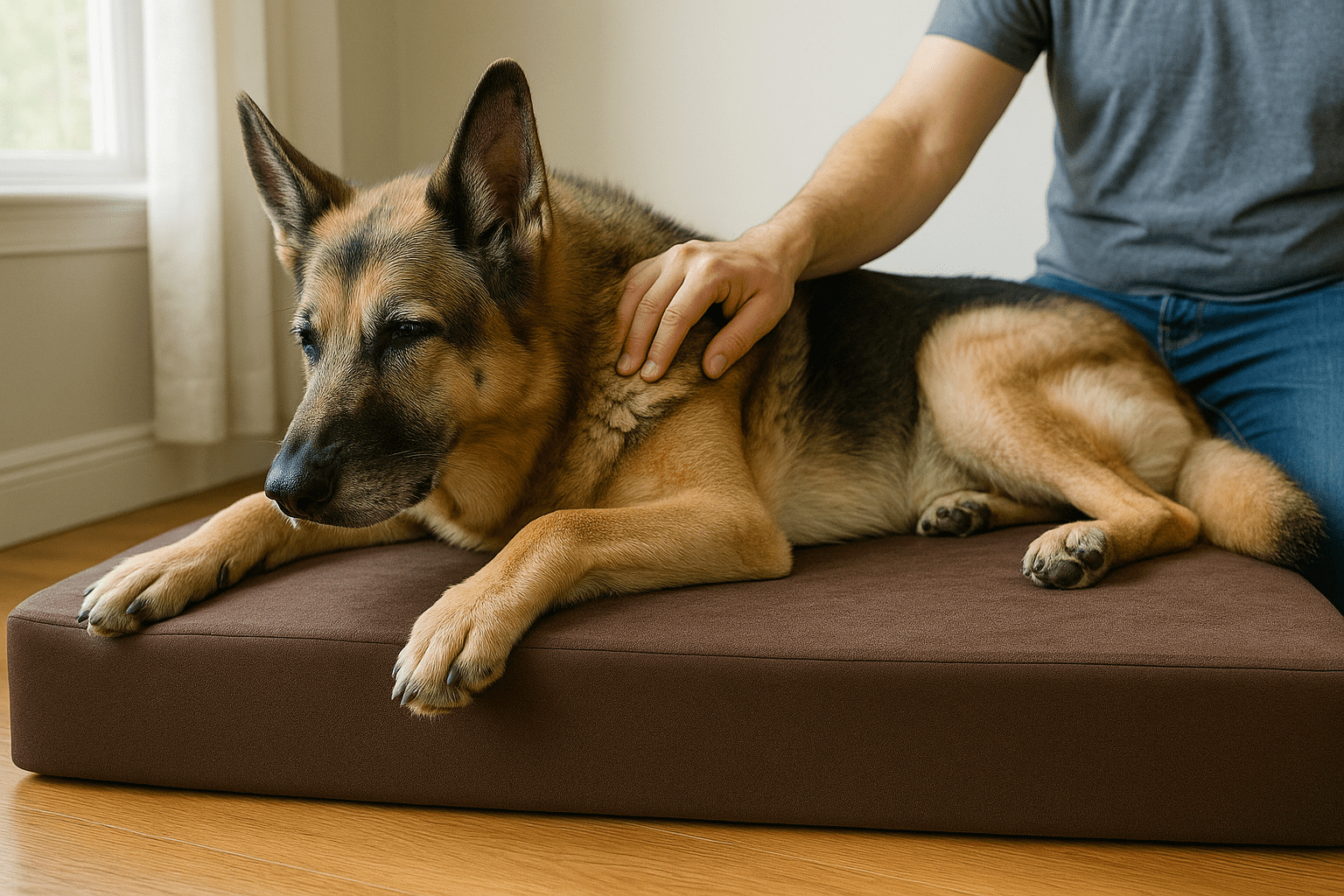
Why we like it: Purpose-built for big dogs, the high-density foam stack resists sagging, keeps hips and elbows off the floor, and makes standing up easier for arthritic seniors.
- Core: Multi-layer, high-density orthopedic foam engineered for large-breed weight distribution.
- Cover: Removable and machine-washable; optional waterproof liner.
- Fit notes: True-to-size sleeping surface; low step-over.
Best for: Labs, Goldens, Shepherds, Rotties, and giant breeds with moderate–severe joint disease.
Pros: Outstanding support; long-term shape retention. Cons: Premium price; bulky to move.
2) PetFusion Ultimate Dog Bed (Best All-Around)
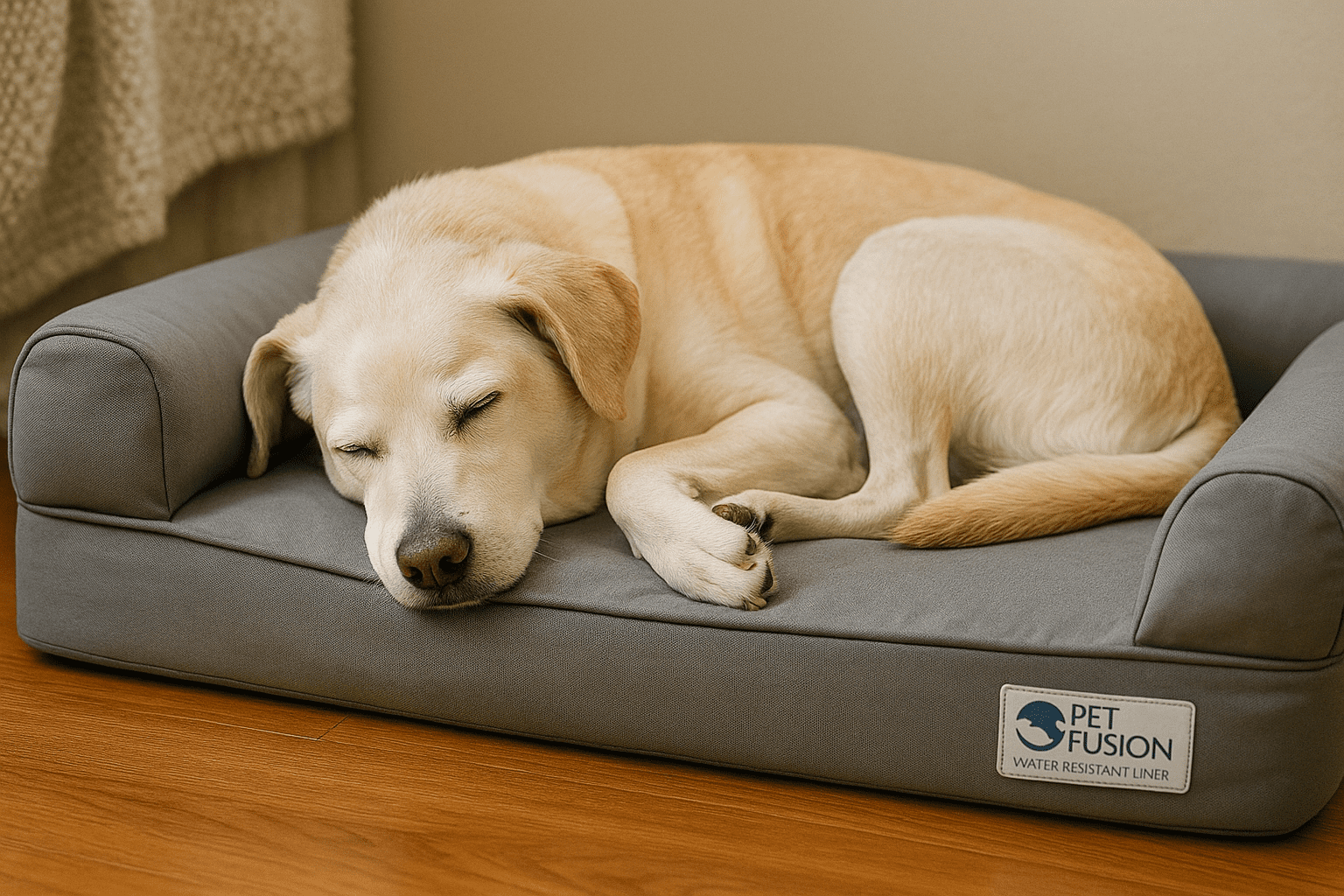
Why we like it: A solid memory-foam base with supportive bolsters balances pressure relief and a “secure nook” feel for anxious or chilly seniors.
- Core: Solid memory-foam base (varies by size) + supportive bolsters.
- Cover: Water-resistant liner; removable, machine-washable outer cover.
- Fit notes: Bolsters decrease interior width; size up for sprawlers.
Best for: Medium–large seniors needing joint support plus head/neck bolstering.
Pros: Supportive base; tidy wash routine; non-slip bottom. Cons: Some dogs prefer flatter, bolster-free surfaces.
3) FurHaven Ultra Plush Luxe Lounger (Best Value Lounger)
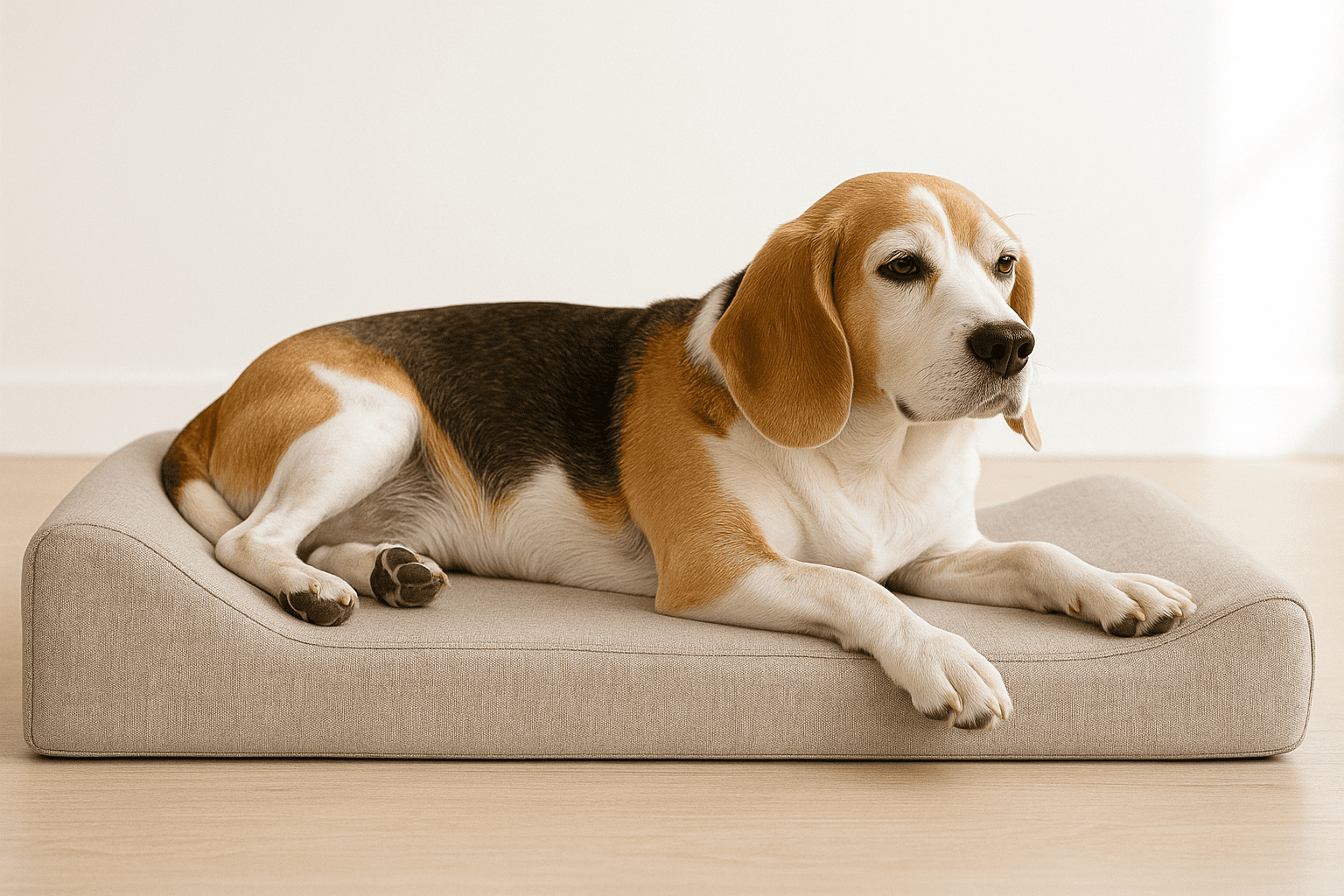
Why we like it: Contoured orthopedic foam lets seniors sprawl comfortably without climbing over high bolsters—great for stiff hips and shoulders.
- Core: Orthopedic foam with gentle head/neck rises.
- Cover: Zippered, machine-washable; easy to remove.
- Fit notes: Choose jumbo sizes for large sprawlers.
Best for: Budget-minded owners; seniors who sleep stretched out.
Pros: Comfortable contour; good price. Cons: Foam density/longevity is mid-tier vs premium beds.
4) Bedsure Orthopedic Bolster Dog Bed (Best Budget Bolster)
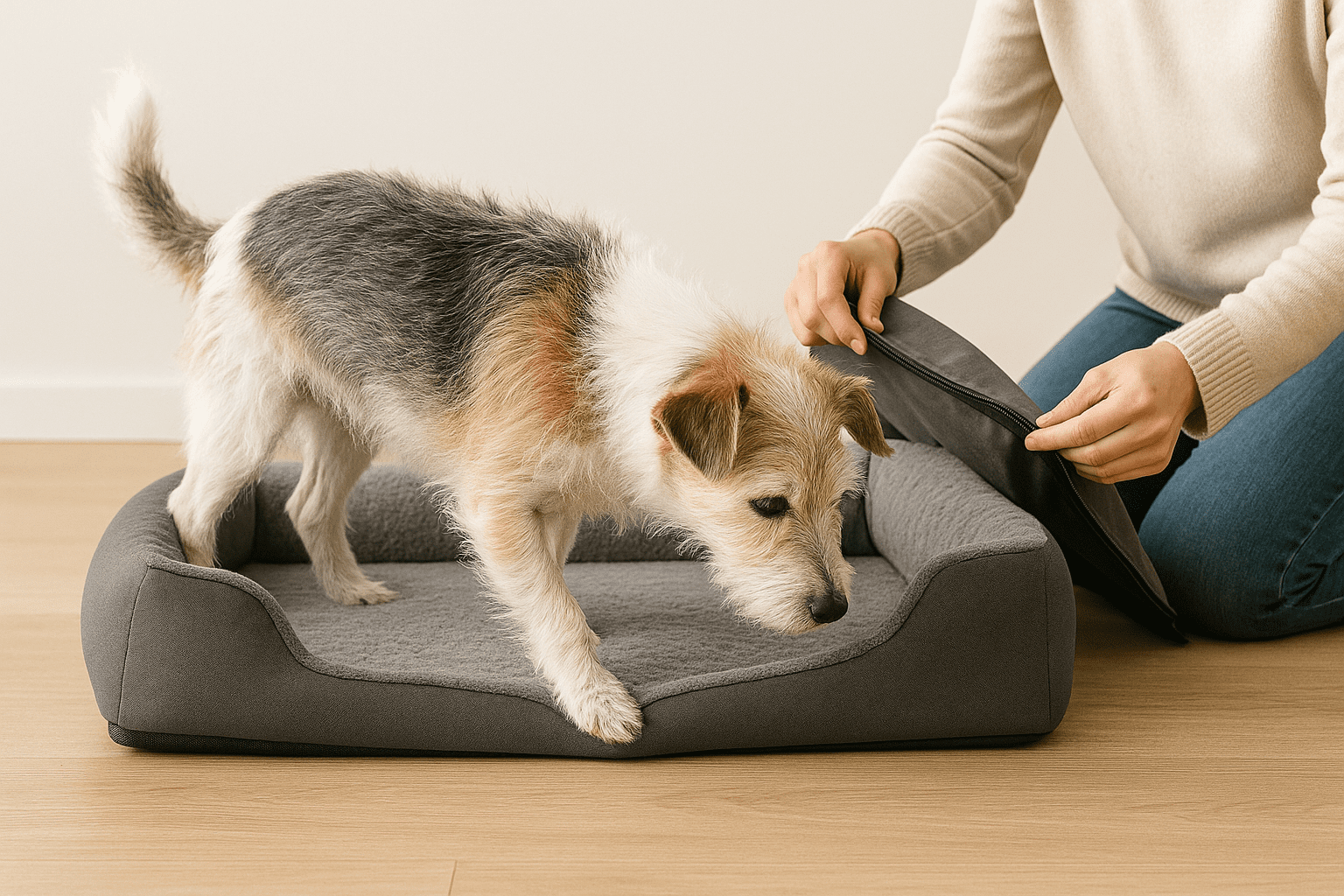
Why we like it: A wallet-friendly bolster bed that still checks the big boxes: removable cover, non-slip base, and orthopedic foam support for everyday senior comfort.
- Core: Orthopedic/egg-crate foam base with wraparound bolsters.
- Cover: Zip-off, machine-washable; verify if bolster filling removes on your model.
- Fit notes: Interior sleep surface is smaller than outer size—size up.
Best for: Light–moderate stiffness; small–medium seniors; budget builds.
Pros: Low price; easy maintenance. Cons: Less “medical-grade” feel; sizing can be misleading.
5) Reddy Orthopedic Reversible Bolster (Best for Seasonal Comfort)
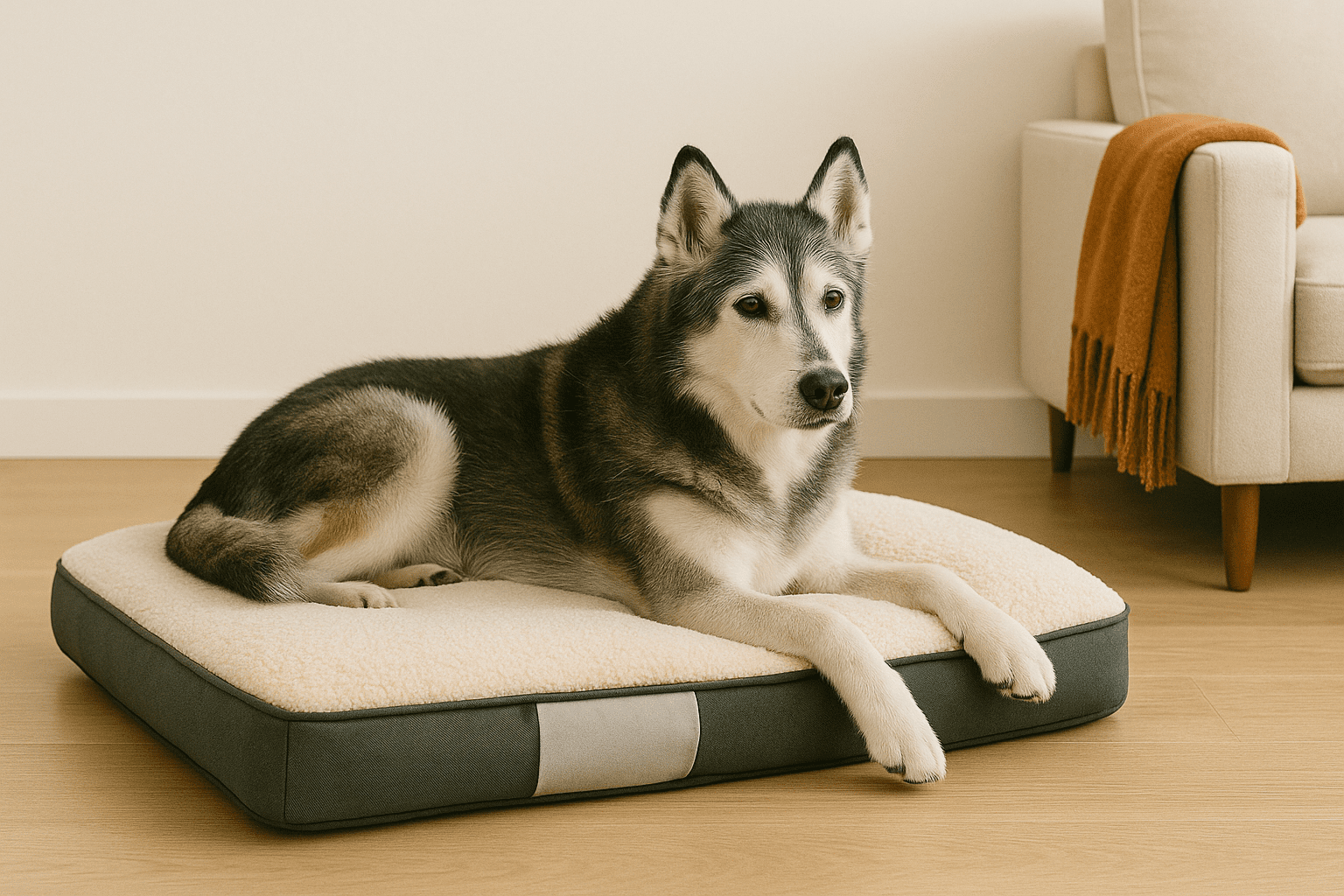
Why we like it: Reversible cushion (cozy/warm vs cooler side) adapts to seasons or hot-natured seniors; supportive foam and skid-resistant base help stability.
- Core: Support foam + reversible cushion.
- Cover: Washable; durable stitching.
- Fit notes: Low step-over; check interior space vs outer size.
Best for: Medium–large seniors; homes with temperature swings.
Pros: Flexible comfort; stable base. Cons: Pricier than bare-bones budget beds.
How to Choose the Right Orthopedic Bed
- Measure true sleep size: Dog length fully stretched + room to spare. Bolsters reduce interior width—size up for sprawlers.
- Demand real support: Dense memory/orthopedic foam that resists bottoming-out protects joints and eases standing.
- Prioritize entry/exit: Low front or a cut-out helps arthritic dogs step in without tripping.
- Plan for laundry: Zip-off, machine-washable covers; waterproof liner for accidents.
- Match needs to budget: Premium foams last longer; budget options are fine for mild stiffness or lighter dogs.
Next: pair the bed with smart joint care—Senior Dog Arthritis Care, Joint Supplements, and Lifestyle & Comfort Guide.
FAQs
Do senior dogs really need an orthopedic bed?
If your dog shows stiffness, hesitates to jump, or sleeps better on couches than on flimsy beds, orthopedic foam can ease pressure points and improve rest quality.
How thick should an orthopedic dog bed be?
For small dogs, ~3–4″ of dense foam can work; for large/giant breeds, 4–7″ multi-layer stacks resist bottoming-out and support easier stand-ups.
Bolster or flat?
Bolsters comfort anxious or chilly seniors, but they reduce interior space. Stiff dogs with limited mobility often prefer low step-over or flat loungers.
How often should I replace the bed?
Replace when you see sagging/flattening, persistent odors after washing, or when your dog starts avoiding the bed. Premium foams typically last longer.
If your senior dog is starting to bump into objects or miss verbal cues, you’ll find tailored product suggestions in our vision and hearing loss article.
Affiliate Transparency
Some product recommendations may contain affiliate links. We only include products we believe genuinely help senior dogs based on real-world testing, veterinary recommendations, and owner feedback.
About the Author
Gary — Founder of SeniorDogWellbeing.com
Gary has spent over a decade researching senior dog health, mobility, sensory decline, and at-home quality-of-life improvements. His work blends evidence-based recommendations with practical, compassionate solutions for aging dogs and the people who love them.
Editorial Review
This article was reviewed by the SeniorDogWellbeing Editorial Team for accuracy, clarity, and alignment with current best practices in senior dog health. Content sources include AAHA, VCA Animal Hospitals, the AKC, PetMD, and peer-reviewed mobility studies in aging dogs.
Last Edited: 12/10/25