As dogs grow older, chewing becomes more than just a fun activity — it becomes an important part of dental health, mental enrichment, and daily comfort. But senior dogs often have weaker teeth, sore gums, missing teeth, or reduced chewing strength, so the chews they enjoyed in their younger years may now be too hard, too risky, or too painful.
This guide combines expert-backed recommendations, veterinary dental guidelines, and a handpicked product roundup to help you pick the safest, tastiest, and most beneficial chews for senior dogs in 2025.
If you’re building a complete aging-well routine, visit our Senior Dog Health Guide for joints, How to Brush a Senior Dogs Teeth for dental health, nutrition, mental enrichment, and more.
⭐ Quick Picks — Best Chews for Senior Dogs
Best Overall: Greenies Aging Care Dental Chews
Best Budget: Milk-Bone Brushing Chews
Best for Sensitive Teeth: Blue Buffalo Wilderness Senior Jerky
Best Low-Fat Option: Whimzees Soft Dental Chews (Stix)
Best Mobility Chew: Zuke’s Hip & Joint Soft Chews
Product Comparison Table
| Product | Best For | Texture | Approx. Calories* | Pros | Cons |
|---|---|---|---|---|---|
| Greenies Senior Dental Chews | Everyday dental care for most senior dogs | Soft, flexible dental chew | ~50–90 per chew (size dependent) | VOHC accepted, gentle on teeth, helps reduce plaque & tartar | Calories add up; some dogs may gulp instead of chew |
| Pet ’n Shape Soft Chik ’n Stix | Seniors with missing teeth or painful gums | Very soft jerky-style stick | Varies by size; moderate | Minimal chewing needed, highly palatable, great for fragile mouths | Not a true “dental” chew; watch sodium and portion size |
| Earth Animal No-Hide Stix | Sensitive stomachs & rawhide alternatives | Soft, easily chewed “no-hide” roll | Varies; moderate to high | Highly digestible, limited ingredients, gentler than rawhide | More expensive; still needs supervision and portion control |
| Whimzees Brushzees | Weight-prone or low-fat needs | Firm but slightly flexible plant-based chew | ~40–80 per chew (size dependent) | Lower fat, hypoallergenic, supports dental health | Still needs chewing strength; not ideal for dogs with very few teeth |
| KONG Senior | Dogs who can’t safely chew edible treats | Soft natural rubber toy | 0 (fill with vet-approved soft foods) | No fracture risk, customizable with soft fillings, great enrichment | Requires monitoring for wear/tears; not a dental cleaner by itself |
*Calories are approximate and vary by size and specific product version — always check the package label.
Because chews add calories, it’s important to adjust meals accordingly—use our dog weight and food calculator to estimate how treats and chews affect your senior dog’s daily intake.
🧠 Why Senior Dogs Need Different Chews
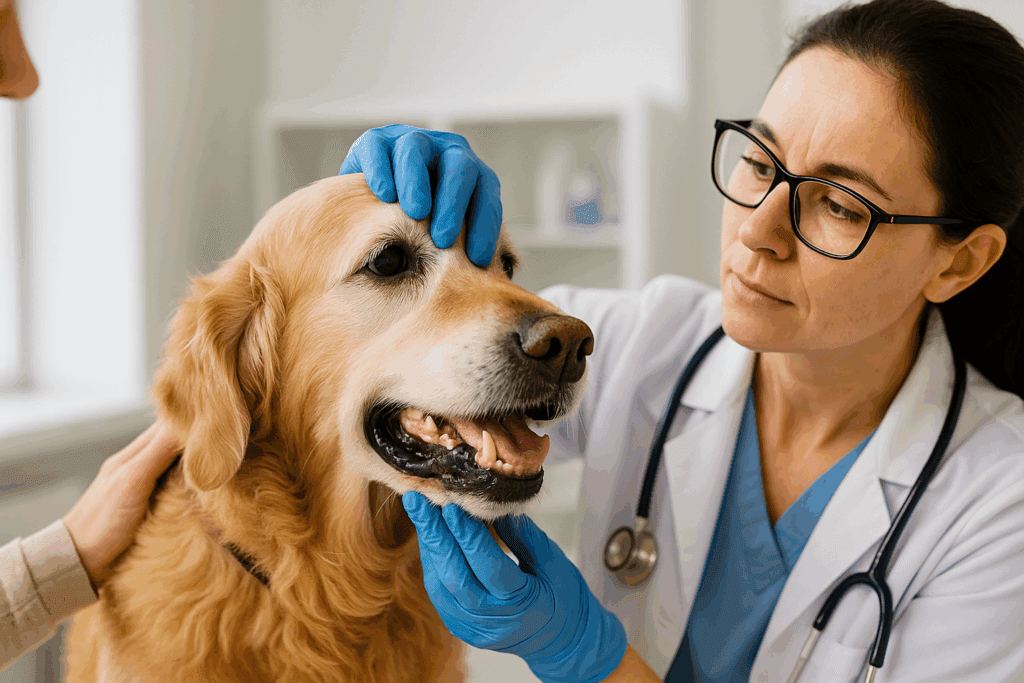
Aging brings real changes to a dog’s mouth:
- Worn enamel
- Cracked or fragile teeth
- Receding gums
- Slower digestion
- Tooth loss
- Higher risk of dental disease
For detailed oral health guidance, see: 👉 Senior Dog Dental Care Tips and our top dog toothbrush picks Best Dog Toothbrushes for Senior Dogs
Hard bones or antlers that were fine at age 3 can now cause:
- Tooth fractures
- Gum bleeding
- Jaw pain
- Blockages if swallowed
Selecting soft, safe, senior-specific chews is essential.
✔️ What Makes a Chew Senior-Friendly?
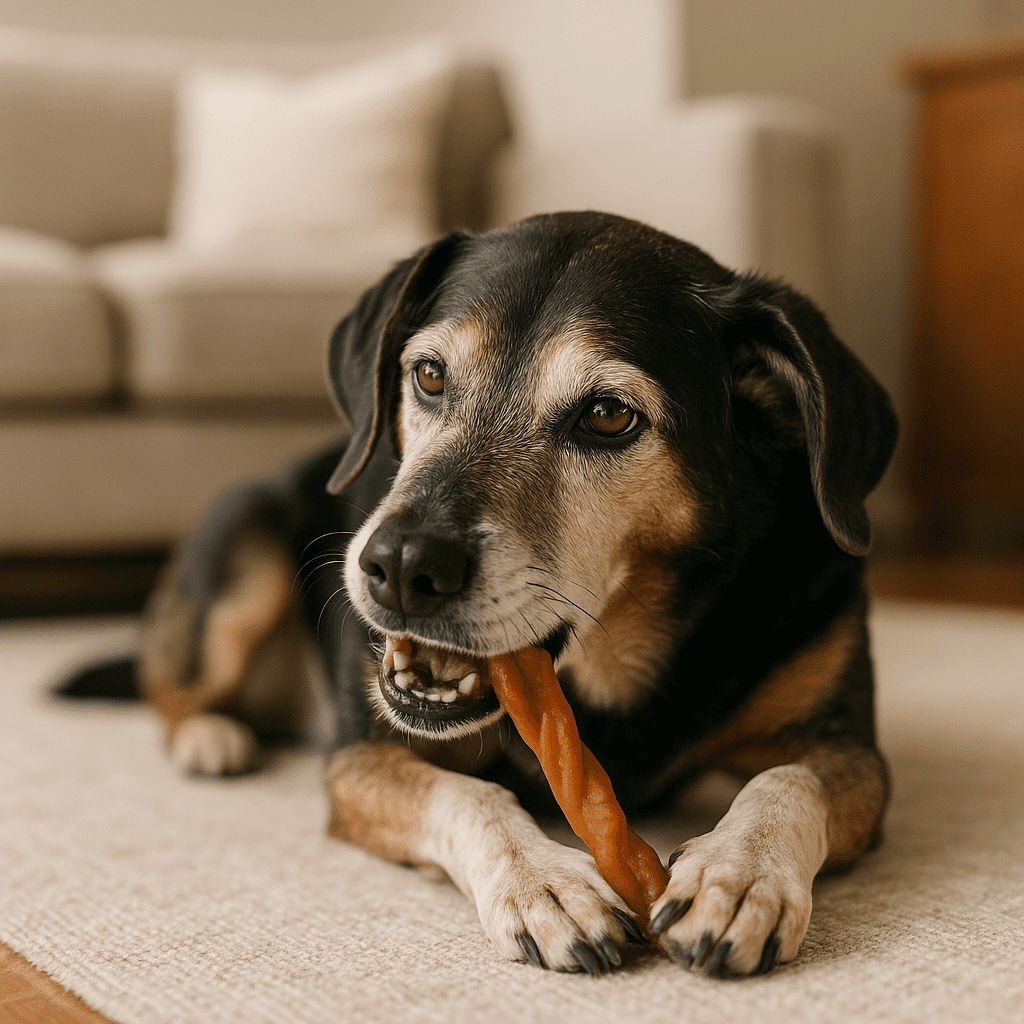
1. Correct Texture (Most Important)
The chew should:
- Dent when pressed with a thumbnail
- Not be rock-hard
- Does not require heavy pressure to bite
- Not splinter
2. Digestible & Gentle Ingredients
Many senior dogs have sensitive stomachs. Choose:
- Limited-ingredient formulas
- Low-fat options
- No artificial dyes
- Grain-free if sensitive
For nutrition basics, visit: 👉 Senior Dog Nutrition
3. VOHC Approval for Dental Chews
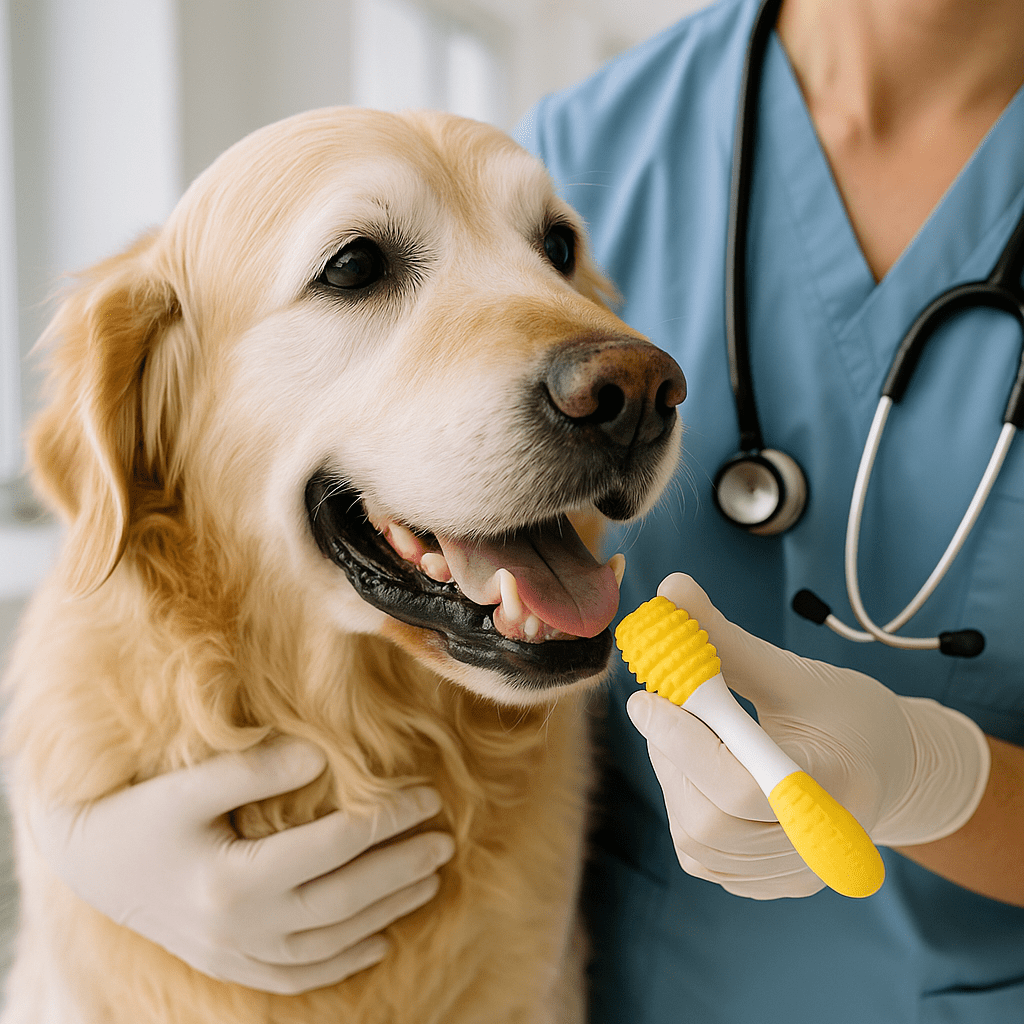
Look for the Veterinary Oral Health Council Seal, indicating real plaque/tartar reduction.
External authority: 👉 VOHC Accepted Products
4. Safe Size & Shape
The chew must be too big to swallow whole and shaped to prevent choking.
🚫 Chews Senior Dogs Should Avoid
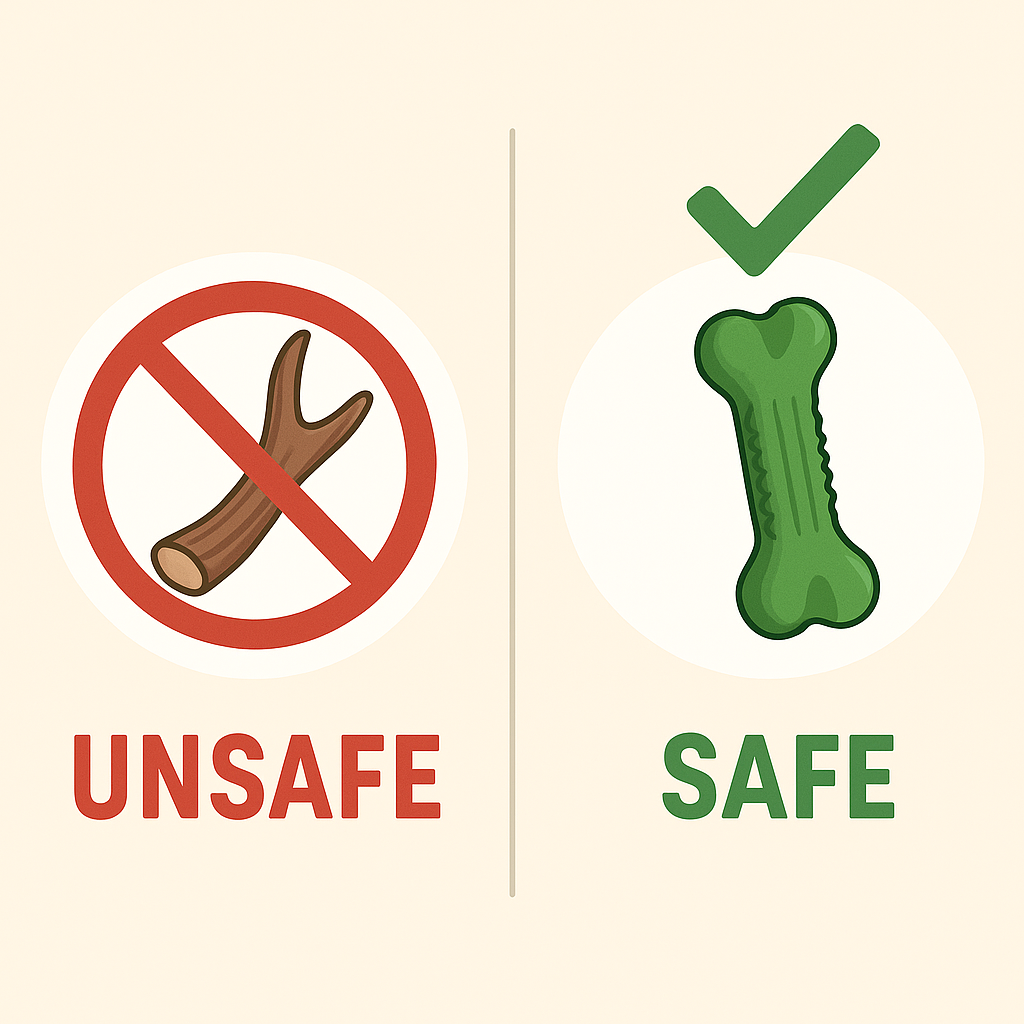
Chews Senior Dogs Should Avoid (and Why)
Some chews are risky for all dogs, but they’re especially dangerous for seniors with worn enamel, weaker jaws, and slower digestion. As a rule of thumb, if you can’t make a visible dent in it with your thumbnail, it’s too hard.
Here are the big no-gos for older dogs — and the reason behind each:
- ❌ Antlers
Extremely hard and dense. They are a common cause of painful slab fractures in the premolars, even in young, healthy dogs. For seniors with compromised enamel, the risk is even higher. - ❌ Cooked or raw bones (including marrow bones)
Bones can splinter, crack teeth, and cause oral injuries. Larger pieces may be swallowed and lead to choking or intestinal obstruction — a life-threatening emergency. - ❌ Hooves
Hooves are very hard and can crack teeth, scrape gums, and splinter. They provide little nutritional value and are not senior-friendly. - ❌ Hard nylon chews (adult or “power chewer” versions)
Tough nylon is harder than senior teeth. Dogs often “chisel” with their molars, which puts tremendous pressure on already worn enamel and can chip or fracture teeth. - ❌ Rawhide
Rawhide does not break down well in the stomach and intestines. It can swell, causing choking or GI obstruction, and older dogs are less resilient to these complications. Many rawhide products are also chemically processed. - ❌ Very hard yak chews or compressed cheese sticks
These are marketed as “natural” but are often rock-hard. They can stress senior teeth and jaws and may pose fracture and obstruction risks if large pieces are swallowed. - ❌ Compressed bone or hide “dental” treats
Compressed treats may soften with time, but in the early stages they can be extremely firm. They often encourage aggressive chewing with brittle teeth.
When in doubt, err on the side of too soft rather than too hard. It’s better to have a chew that’s “gone too quickly” than one that sends your senior dog to the emergency vet.
If your dog shows discomfort, see: 👉 Signs of Pain in Senior Dogs
🛒 Product Grid — Best Chews for Senior Dogs
- Greenies Aging Care Dental Chews
Soft, VOHC approved, great for daily dental care
👉 Check Price - Milk-Bone Brushing Chews
Budget-friendly, VOHC approved, scrubbing design
👉 See Deals - Zuke’s Hip & Joint Soft Chews
Mobility support, very soft, senior-friendly
👉 View Product - Blue Buffalo Senior Jerky
Very soft, ideal for missing teeth / picky eaters
👉 Check Availability - Whimzees Soft Dental Chews
Low-fat, gentle dental option, digestible
👉 See Chews
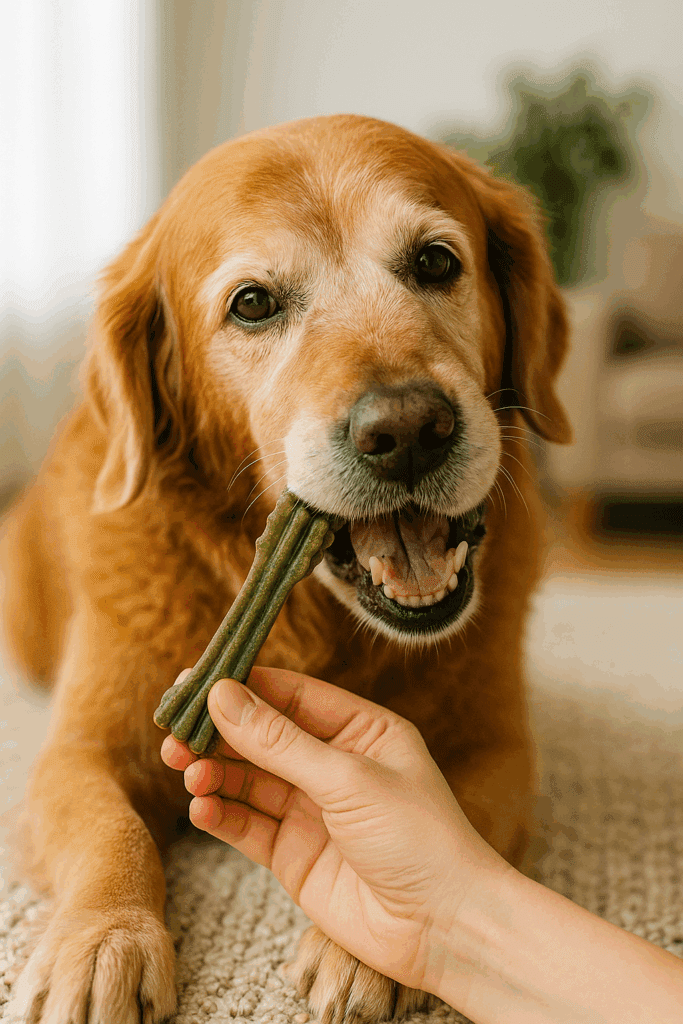
⭐ Top 5 Best Chews for Senior Dogs (2025 Reviews)
🥇 1. Greenies Aging Care Dental Chews
Best Overall Chews for Senior Dogs
Greenies Aging Care chews offer a gentler texture than standard Greenies, making them ideal for older dogs. They’re VOHC approved, meaning verified plaque and tartar reduction.
Why seniors love them:
- Soft enough for aging teeth
- Freshens breath
- Safe daily dental cleaning
- Lower fracture risk
💲 2. Milk-Bone Brushing Chews
Best Budget Dental Chew
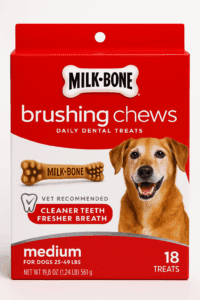
These chews offer great daily dental care at a low cost — and they’re VOHC approved.
Why they’re a smart pick:
- Affordable for daily brushing support
- Dogs enjoy the flavor
- Textured design scrubs teeth
- Gentle chewing resistance
🦴 3. Zuke’s Hip & Joint Soft Chews
Best Mobility Chew for Senior Dogs
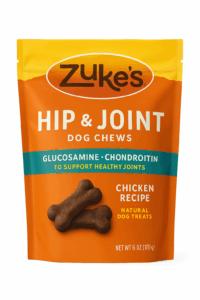
These soft, tasty chews support joint comfort — perfect for stiff, aging dogs.
Top benefits:
- Very soft (ideal for dental issues)
- Glucosamine + chondroitin + MSM
- Dogs love the taste
- Easy daily dosing
🍗 4. Blue Buffalo Wilderness Senior Jerky
Best for Dogs with Missing or Painful Teeth
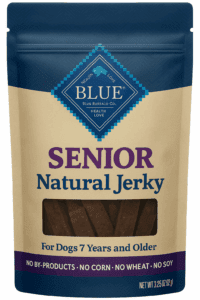
These are extremely soft, tearable jerky strips — perfect for seniors with limited chewing ability.
Why they stand out:
- Gentle on sensitive mouths
- High protein
- Grain-free formula
- Great for picky eaters
🌱 5. Whimzees Soft Dental Chews (Stix)
Best Low-Fat Chew for Senior Dogs
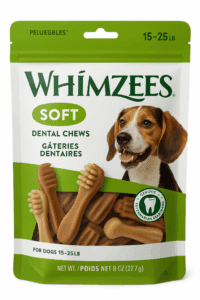
Whimzees soft options are more flexible than their classic shapes — great for seniors needing a gentler chew.
Why they’re ideal:
- Low in fat (great for pancreatitis-prone dogs)
- Digestible
- Vegetable-based
- Minimal-ingredient formula
📝 How Often Should Senior Dogs Have Chews?
| Chew Type | Frequency |
|---|---|
| VOHC Dental Chews | Once daily |
| Joint Support Chews | 1–2 per day |
| Soft Jerky Treats | 1–3 per day |
| Ultra-Soft Treats | As needed |
✔️ Senior Dog Chew Safety Checklist
- Can you dent it with your thumbnail?
- Is it large enough not to swallow whole?
- Is it soft enough for older teeth?
- Is it easily digestible?
- Does it fit your dog’s medical needs?
- Does it have the VOHC Seal (for dental chews)?
Daily chews can quietly add calories, which explains why some owners are feeding the same amount but gaining weight in their senior dogs. If treats or chews are part of your dog’s daily routine, it’s worth asking, am I feeding my dog too much, especially if meals haven’t been adjusted.
❓ FAQ: Chews for Senior Dogs
Are antlers safe for senior dogs?
No — they can fracture senior dog teeth.
Are rawhide chews safe?
No — choking and blockage risk.
What chews work for dogs with few or no teeth?
Ultra-soft jerky, freeze-dried crumbles, bite-sized soft treats.
Do dental chews replace brushing?
No — brushing + dental chews is ideal.
See: 👉 Senior Dog Dental Care Tips
**Evidence snapshot:** Multiple clinical studies have shown that properly designed dental chews can help reduce plaque, calculus, and gingivitis in dogs, but they do not replace brushing or professional cleanings. Veterinary dental organizations, including the Veterinary Oral Health Council (VOHC), emphasize that chews should be one part of a broader dental care plan, not the only tool you use.
About the Author — Gary Bennett
Gary Bennett is the founder of Senior Dog Wellbeing and a lifelong dog caretaker with over 20 years of hands-on experience supporting aging dogs through mobility changes, dental issues, nutrition needs, and end-of-life comfort. He specializes in researching senior-dog health, safe product selection, and evidence-based home care practices. Gary’s mission is simple: help dog parents give their older pups the happiest, healthiest possible life in their golden years.
Important Medical Disclaimer
This article is for general educational purposes only and is not a substitute for professional veterinary advice. Senior dogs often have unique medical needs and dental issues. Always talk with your veterinarian before introducing a new chew, especially if your dog has:
- Known dental disease or loose/broken teeth
- A history of pancreatitis, GI upset, or food allergies
- Chronic conditions such as diabetes, kidney, or liver disease
If your dog seems in pain while chewing, drops food, or vomits after chewing, stop the chew and contact your vet.
Reviewed By: Senior Dog Wellbeing Editorial Team
Last Edited: 12/10/25