Caring for an aging dog means paying closer attention to the small details in their daily behavior. Unlike humans, dogs can’t tell us directly when they’re hurting. Many senior dogs hide pain until it becomes severe, which is why recognizing early warning signs is crucial. Addressing discomfort quickly can dramatically improve your dog’s quality of life.
In this guide, we’ll cover the most common signs of pain in senior dogs, how to differentiate them from normal aging changes, and when it’s time to call your veterinarian.
Why Pain Often Goes Unnoticed in Senior Dogs
Dogs are instinctively stoic. In the wild, showing weakness could make them vulnerable, and this behavior persists even in our beloved companions. Senior dogs may also move less in general, so subtle changes are easily written off as “just getting older.”
According to the American Kennel Club, overlooking signs of discomfort is common — but staying alert can help you detect pain before it worsens.
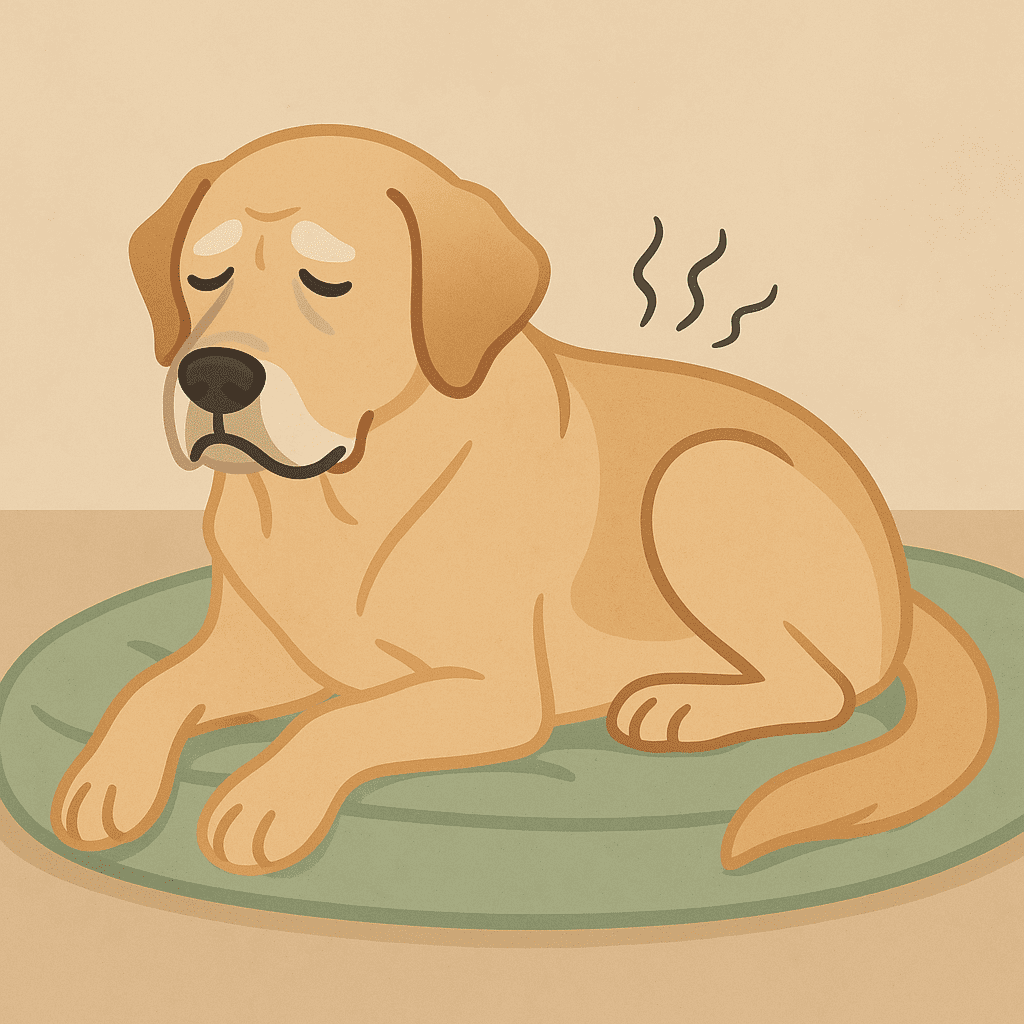
Subtle behavior changes like withdrawal or restlessness are often overlooked signs of pain in older dogs, especially when pain develops gradually.
Physical Signs of Pain in Senior Dogs
- Limping or Stiffness
If your dog is limping, walking with an uneven gait, or taking longer to rise after rest, it may signal arthritis, joint pain, or muscle soreness. - Difficulty Climbing or Jumping
Hesitation to climb stairs, jump onto furniture, or enter the car is one of the earliest indicators of musculoskeletal pain in older dogs. - Changes in Appetite
Painful dental issues, mouth soreness, or even abdominal discomfort can cause a sudden drop in appetite. - Excessive Panting or Shaking
While panting can occur from heat or exertion, persistent panting at rest may indicate pain. Shivering or trembling can also be a response to discomfort. - Protective Postures
Hunched backs, tucked tails, or guarding certain body parts often suggest pain. Dogs may also avoid lying on one side or resist being touched in a sore area. - Red or Bleeding Gums: If your dog shows these signs, they may also be in pain. Learn more about subtle discomfort cues in our Senior Dog Dental Care Tips: The Complete Guide to Keeping Your Older Dog’s Teeth Healthy.
Read our Best Dog Harnesses for Senior Dogs With Mobility Issues (Vet-Reviewed & Owner-Approved Guide) for managing symptoms.
Behavioral Signs of Pain
- Increased Irritability
A normally calm senior dog that suddenly growls, snaps, or avoids interaction may be communicating discomfort. - Withdrawal or Reduced Activity
If your dog no longer greets you enthusiastically, plays less, or spends more time alone, pain may be limiting their willingness to engage. - Changes in Sleep Patterns
Restlessness at night, frequent position changes, or waking up more often could point to chronic pain. - Excessive Licking or Chewing
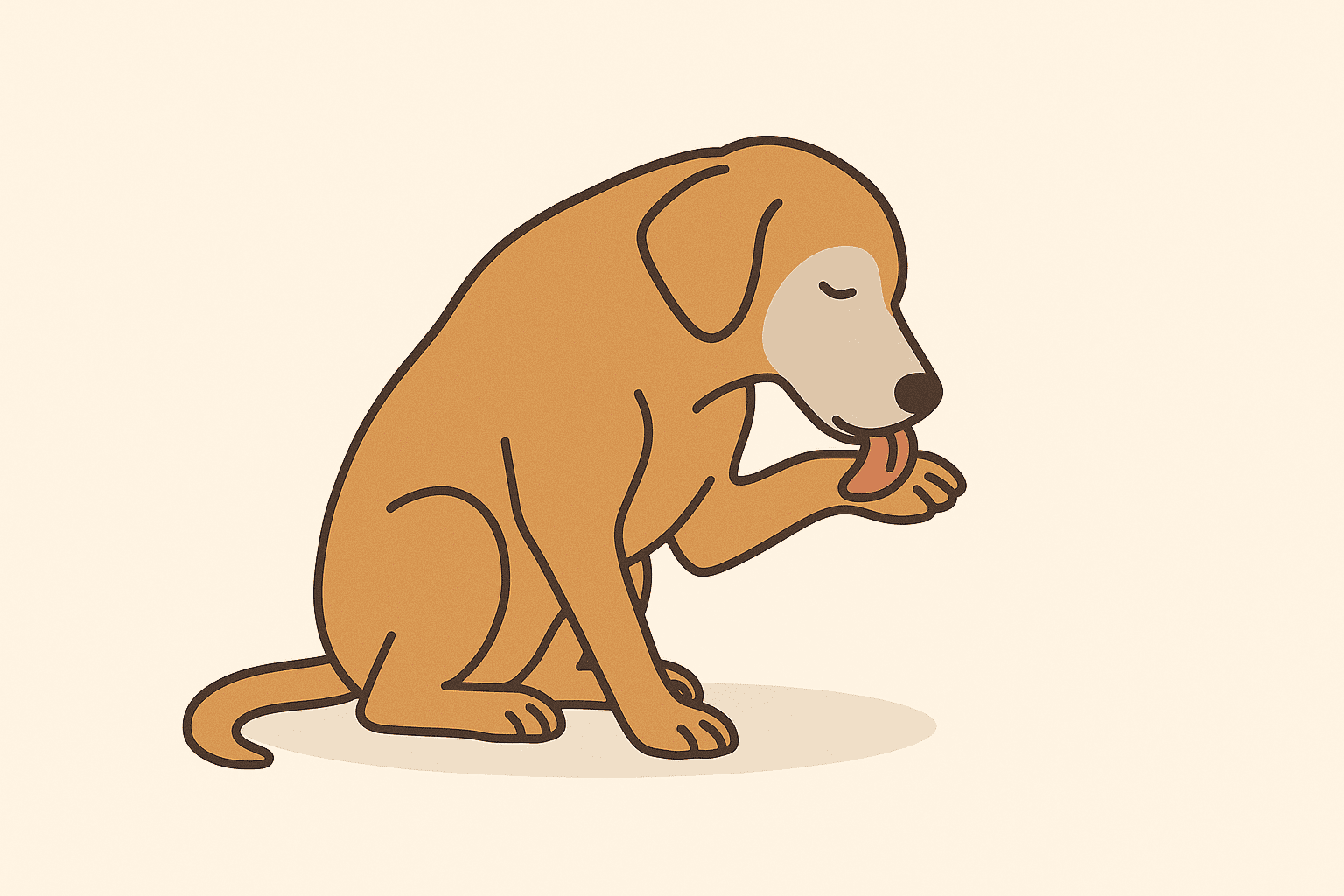
Persistent licking at joints, paws, or one specific spot often indicates localized pain or inflammation. - Changes in Bathroom Habits
Straining, accidents, or reluctance to squat can be linked to arthritis, hip pain, or abdominal discomfort.
Pain is often a symptom of broader health conditions. See our overview of common senior dog health issues for a full picture.
When to Contact Your Veterinarian
Any sudden or severe change warrants a veterinary exam. Even gradual shifts should not be dismissed. Pain management is a critical part of senior dog care, and your veterinarian can recommend treatments ranging from medications to supplements, lifestyle adjustments, or physical therapy.
The American Veterinary Medical Association stresses that early intervention not only eases suffering but may also slow disease progression.
Supporting Comfort at Home
Alongside veterinary care, you can make simple adjustments to help your dog feel better:
- Provide orthopedic bedding to reduce joint pressure. Read our Orthopedic Dog Beds for Senior Dogs
- Offer ramps or stairs to help with climbing.
- Use non-slip rugs for better traction.
- Incorporate gentle exercise like short, slow walks to maintain mobility.
- Add vet-recommended supplements (such as glucosamine and omega-3 fatty acids).
For a comprehensive list of senior dog comfort strategies, check our Senior Dog Health Guide.
Pain Is Not Just “Old Age”
It’s important to remember that pain is not a normal part of aging. While stiffness or slower movement may happen over time, untreated pain reduces your dog’s enjoyment of life. With today’s veterinary options, no senior dog should have to suffer silently.
If you notice any of these signs, download our Senior Dog Health Checklist to track changes and bring it to your vet for a more informed discussion.
Catch Issues Early
Seeing signs of pain in senior dogs is crucial, they rely on us to advocate for them. By learning the subtle signs of pain, you can catch issues early and work with your veterinarian to provide comfort and relief. Every extra step you take — whether it’s monitoring, adjusting their environment, or seeking timely treatment — adds to your dog’s health, happiness, and time by your side.