
Cancer in senior dogs signs often include unexplained weight loss, new lumps or bumps, persistent fatigue, appetite changes, coughing, bleeding, or sores that don’t heal. Because cancer risk increases with age, early detection and prompt veterinary evaluation can significantly improve comfort, treatment options, and quality of life.
Cancer becomes more common as dogs age because their cells have divided and repaired themselves for many more years. Over time, DNA damage accumulates, immune surveillance weakens, and abnormal cells are more likely to grow unchecked. In senior dogs—typically ages 7+ for large breeds and 9–10+ for small breeds—these changes matter because symptoms are often subtle and easy to dismiss as “just old age.”
This matters for three reasons:
- Earlier detection usually means more options. Some cancers are slow-growing if caught early.
- Quality of life is easier to protect early. Pain control and supportive care work best before decline accelerates.
- Costs and stress rise fast when cancer is advanced. Delayed diagnosis often limits treatment choices.
Many owners regret not acting sooner because early signs looked minor or inconsistent.
Common Causes or Presentations
Cancer is not one disease. In senior dogs, it shows up in several common ways. Each presentation below deserves attention.

Lumps and Bumps Under the Skin
Symptoms:
- New masses or thickened areas
- Growth over weeks or months
- Sometimes painful, sometimes not
Why it happens:
Skin and connective tissue tumors (like lipomas, mast cell tumors, or soft tissue sarcomas) are common in older dogs as cell regulation weakens.
Risk if ignored:
Some lumps are benign, but others spread quickly. Waiting can allow local invasion or metastasis before treatment is possible.
Unexplained Weight Loss and Muscle Wasting
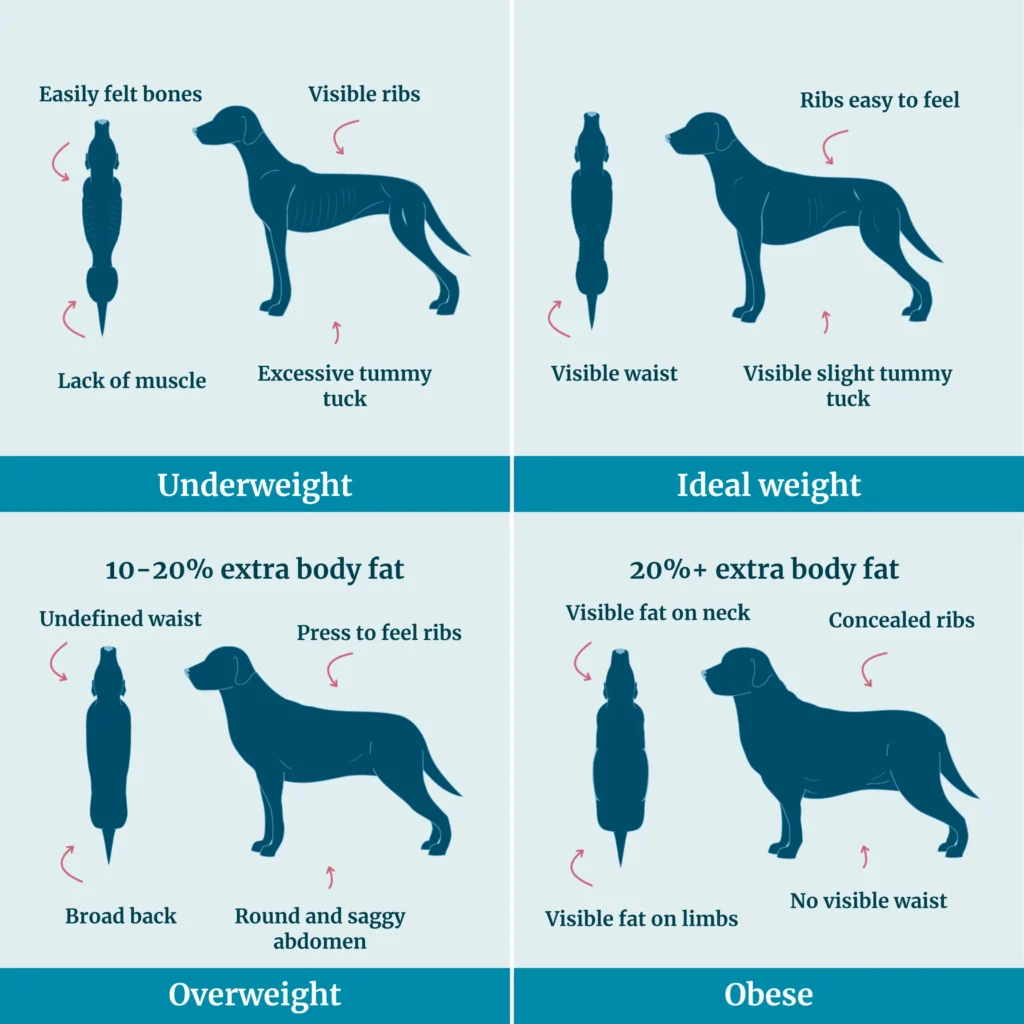
Symptoms:
- Rib or spine prominence
- Loss of muscle despite normal eating
- Sunken appearance
Why it happens:
Cancer changes metabolism. Tumors can consume energy, suppress appetite, or interfere with nutrient absorption.
Risk if ignored:
Weight loss often signals systemic disease. Advanced cancer is harder to stabilize nutritionally and physically.
Appetite Changes or Difficulty Eating
Symptoms:
- Skipping meals
- Dropping food
- Chewing on one side
- Bad breath or oral bleeding
Why it happens:
Oral tumors, gastrointestinal cancers, or pain-related nausea are common in seniors.
Risk if ignored:
Reduced intake accelerates weakness and immune decline, compounding the disease.
Persistent Fatigue or Behavioral Changes
Symptoms:
- Sleeping much more than usual
- Less interest in walks or play
- Withdrawal or irritability
Why it happens:
Cancer-related inflammation, anemia, or pain drains energy reserves.
Risk if ignored:
Behavioral shifts are often the first sign owners overlook, delaying diagnosis.
Abnormal Bleeding, Discharge, or Sores That Don’t Heal
Symptoms:
- Nosebleeds
- Blood in urine or stool
- Oozing skin lesions
- Chronic infections
Why it happens:
Some cancers affect blood vessels, immune function, or clotting mechanisms.
Risk if ignored:
Bleeding cancers can progress rapidly and become life-threatening.
Evaluate Each Cause
You cannot “fix” cancer at home—but you can evaluate signs early and respond correctly.
Step-by-Step Evaluation Process
- Track changes intentionally
Write down when a symptom started, how fast it’s changing, and whether it fluctuates. - Measure, don’t guess
- Weigh your dog monthly
- Photograph lumps with a ruler for scale
- Note appetite consistency
- Schedule a veterinary exam early
Don’t wait for multiple symptoms to stack up. - Diagnostic testing (vet-directed)
- Fine needle aspirates for lumps
- Bloodwork to detect anemia or organ stress
- Imaging (X-rays, ultrasound) when indicated
Warnings
- “Watching and waiting” without measurement often leads to missed progression.
- Pain can be present even when dogs act normal.
Signs of Pain in Senior Dogs You Shouldn’t Ignore
Cost Ranges (Typical, U.S.)
- Office exam: $60–$100
- Lump aspirate: $100–$300
- Bloodwork: $150–$400
- Imaging: $300–$1,000+
Difficulty Level for Owners
- Monitoring: Easy
- Decision-making: Moderate
- Treatment planning: Requires professional guidance
Comfort Upgrades
While no product treats cancer, supportive tools improve comfort and monitoring.

Helpful Support Tools Comparison
| Tool | Purpose | Typical Cost | When Useful |
|---|---|---|---|
| Orthopedic dog bed | Reduces joint and pressure pain | $60–$150 | Fatigue, arthritis, post-treatment |
| Elevated food bowls | Easier swallowing | $25–$60 | Oral or neck discomfort |
| Body condition score chart | Track muscle loss | Free–$10 | Early weight changes |
| Pill organizers | Medication consistency | $10–$25 | Long-term care plans |
Supportive care often makes the difference between “coping” and “comfortable.”
Read our guide: Best Orthopedic Dog Beds for Senior Dogs
Mistakes Pet Owners Commonly Make
Real-world patterns show up again and again:
- Assuming lumps are “just fat.” Lipomas exist—but guessing is risky.
- Blaming aging for everything. Slowing down is normal; rapid change is not.
- Waiting for pain signals. Dogs hide pain extremely well.
- Skipping follow-ups after a “benign” result. Tumors can change over time.
- Over-treating without quality-of-life checks. More treatment isn’t always better.
Experience shows that calm, early evaluation leads to better decisions than crisis-driven care.
When to Seek Professional Help

You should contact your veterinarian promptly if you notice:
- A lump growing over weeks
- Weight loss greater than 5–10%
- Persistent appetite changes beyond 3–5 days
- Bleeding, coughing, or breathing difficulty
- Sudden personality or energy shifts
These signs indicate the issue is beyond home monitoring.
If you’re unsure whether discomfort is present, use structured assessment tools rather than guessing.
Read our Guide: Is My Senior Dog in Pain? (Free Pain Level Checker
Ownership Advice
Cancer care often overlaps with other senior-dog decisions. Planning ahead reduces stress.
- Age awareness: Risk profiles change dramatically between early senior years and late senior years.
[Internal Link: How Old Is Your Dog in Human Years?] - Comfort-first mindset: Many owners find that improving sleep surfaces, mobility support, and routine consistency makes a noticeable difference—regardless of treatment path.
- Checklists over assumptions: Written checklists prevent emotional decision-making during stressful periods.
Good ownership isn’t about doing everything—it’s about doing what matters most at the right time.
FAQs About Cancer in Senior Dogs
How common is cancer in senior dogs?
Cancer is one of the leading causes of death in dogs over age 10. Larger breeds and certain genetic lines face higher risk, but all senior dogs are susceptible.
Are all lumps cancerous?
No. Many lumps are benign, but appearance alone cannot determine this. Any new or changing mass should be evaluated.
Can senior dogs tolerate cancer treatment?
Many can, especially with adjusted doses and comfort-focused plans. Age alone does not disqualify treatment—overall health does.
How fast does cancer progress in dogs?
It varies widely. Some cancers progress over years; others over weeks. That unpredictability is why early evaluation matters.
Is it ever okay not to treat cancer?
Yes. Many owners choose palliative care focused on comfort. This is a valid, compassionate decision when quality of life is prioritized.
Written From Real Senior Dog Ownership Experience
This article is written from the perspective of long-term dog ownership combined with evidence-based veterinary guidance commonly used in senior-dog care. Many of the warning signs described here—subtle weight loss, behavior changes, slowly growing lumps—are the same ones experienced owners often notice in hindsight after a diagnosis.
In real-world ownership, cancer in senior dogs rarely begins with dramatic symptoms. It more often appears between ages 8–10 in large breeds and 10–13 in small breeds, presenting as small, easily dismissed changes that blend into normal aging. Owners with multiple senior dogs frequently report that their biggest regret is not recognizing patterns early—especially gradual fatigue, muscle loss, or appetite shifts.
Veterinary best practices consistently emphasize:
- Objective tracking (weight, appetite, mass size)
- Early diagnostics rather than watchful guessing
- Quality-of-life assessments alongside medical findings
Cost ranges, timelines, and outcomes referenced in this guide reflect typical U.S. veterinary care and common ownership decisions—not worst-case scenarios or idealized outcomes. Cancer care in senior dogs is rarely linear, and responsible guidance must acknowledge uncertainty, trade-offs, and individualized decision-making.
Most importantly, this content prioritizes informed ownership over fear-based action. Early detection is not about “doing everything possible,” but about giving you clearer choices—whether that leads to treatment, palliative care, or comfort-focused support tailored to your dog’s remaining years.
Act Sooner Rather Than Later
Cancer in senior dogs is common, complex, and emotionally challenging—but it is not automatically a crisis if recognized early. The most experienced owners learn to trust patterns, track changes, and act sooner rather than later. Whether the path involves treatment or comfort care, informed attention preserves dignity, reduces suffering, and supports the bond you’ve built over a lifetime.
About the Author
Gary Bennett is a long-time senior dog owner and the editor behind SeniorDogWellbeing.com, a resource dedicated to helping dog owners navigate the realities of aging, mobility decline, chronic conditions, and end-of-life decisions with clarity and compassion.
Over the past decade, Gary has cared for multiple senior dogs across different breeds and life stages, gaining firsthand experience with common age-related conditions including arthritis, cognitive changes, chronic pain, appetite loss, and cancer. His work focuses on translating veterinary guidance and real-world ownership experience into practical, non-alarmist advice dog owners can actually use.
Gary researches each topic using current veterinary standards, quality-of-life frameworks, and owner-reported outcomes, with an emphasis on early detection, comfort-first decision-making, and avoiding unnecessary interventions. Articles on SeniorDogWellbeing.com are written to support informed conversations with veterinarians—not to replace professional care.
His guiding philosophy is simple: senior dogs deserve comfort, dignity, and thoughtful ownership—especially when decisions become difficult.
Medically Reviewed for Accuracy
This article was reviewed for general medical accuracy and alignment with current veterinary standards by a licensed veterinary professional. The review focused on the accuracy of symptom descriptions, risk factors, and common diagnostic approaches used in senior dog care.
This content is intended for educational purposes only and is not a substitute for professional veterinary diagnosis or treatment. Always consult a licensed veterinarian regarding changes in your dog’s health, behavior, or condition.