By Gary Bennett
Last Updated: 12-3-25
If you’ve ever looked at your gray-muzzled best friend and wondered how long senior dogs live—and whether living indoors or outdoors makes a difference—you’re in the right place. The senior dog lifespan depends on many factors, but one of the biggest is environment.
In this guide, we’ll break down:
- When dogs are considered senior
- How long senior dogs typically live
- Whether indoor or outdoor living leads to longer life expectancy
- Practical longevity tips you can start using today
Along the way, you’ll find natural connections to other helpful guides on our site to support your senior dog’s health, comfort, and overall quality of life.
Table of Contents
When Is a Dog Considered Senior?
A dog enters their senior years at roughly the final 25%–30% of their expected lifespan. Because lifespan varies by size and breed, dogs become seniors at different ages:
- Small breeds: ~9–11 years
- Medium breeds: ~8–10 years
- Large breeds: ~7–9 years
- Giant breeds: ~6–7 years
If you’re unsure whether your dog is “senior,” check our Senior Dog Health Guide for signs of aging, weight changes, joint issues, and behavior shifts and read When Is a Dog Considered Senior?
What Is the Average Senior Dog Lifespan?
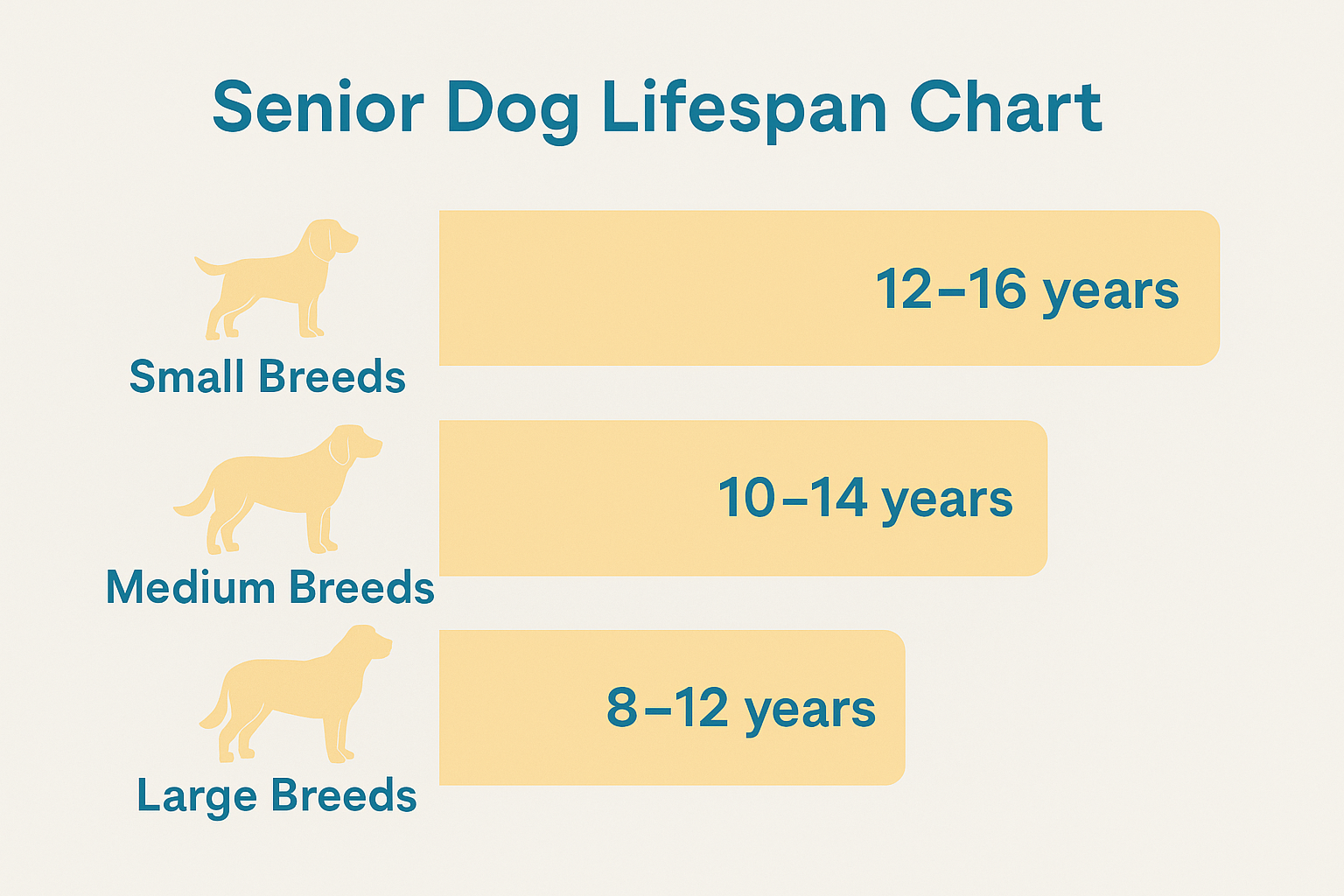
Across all breeds, the average dog lifespan is around 10–13 years, though this differs significantly by size:
- Small breeds often live 12–16+ years
- Medium breeds average 10–13 years
- Large and giant breeds average 8–12 years
Once a dog enters their senior years, how long they live going forward depends heavily on:
- Genetics
- Diet
- Weight management
- Access to vet care
- Lifestyle
- Environment (indoor vs outdoor) ← the focus of this article
For more details by size class, see AKC guide on Life Expectancy of Large Senior Dogs or Life Expectancy of Small Senior Dogs. Check your dogs current age with our Dog Age in Human Years Calculator.
Do Indoor Senior Dogs Live Longer Than Outdoor Senior Dogs?
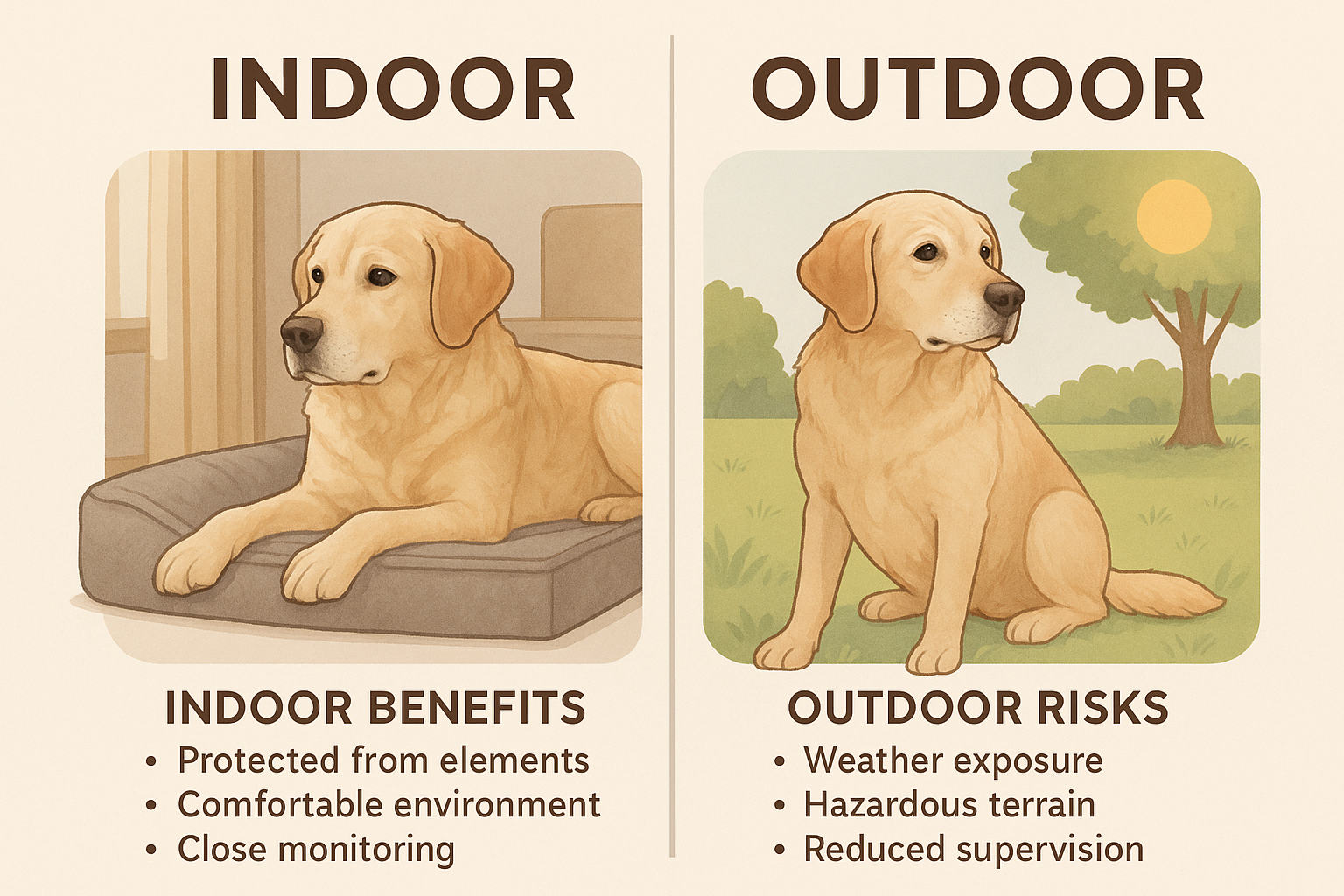
Yes—senior dogs who live primarily indoors generally live longer than those who live outdoors most of the time.
Indoor senior dogs are:
- Less exposed to heat, cold, and severe weather
- Better protected from accidents, predators, and toxins
- Monitored more closely, improving early detection of health issues
- Less exposed to parasites and infectious diseases
- Able to rest on soft, joint-friendly surfaces
- More socially connected, lowering chronic stress
Outdoor dogs face cumulative risks that increasingly matter as dogs age—reduced mobility, slower reaction times, weaker vision, and heightened vulnerability to injury or illness.
The difference in lifespan isn’t usually measured in “days”—it’s often months or years, depending on circumstances.
Why Indoor Senior Dogs Tend to Live Longer
1. Temperature Protection
Senior dogs struggle more with regulating body temperature, making them sensitive to:
- Heatstroke in summer
- Hypothermia in winter
- Rapid temperature swings
- Poor shelter or prolonged exposure
Indoor living protects them from extreme weather that can rapidly worsen arthritis, heart disease, and respiratory conditions.
2. Reduced Risk of Accidents & Trauma
Outdoor senior dogs are at higher risk of:
- Car accidents
- Falls (especially with weak joints)
- Predatory wildlife
- Poisoning or toxic plants
- Dog fights
Indoors, the environment is controlled and far safer for older dogs with slower reflexes.
3. Better Parasite & Disease Control
Fleas, ticks, mosquitoes, parasites, and wildlife-related infections accumulate risk over years. Senior immune systems are weaker, so each exposure hits harder.
Indoors = less exposure + faster treatment.
4. Closer Monitoring & Earlier Treatment
When dogs are around their humans, small changes are easier to notice:
- Stiffness
- Increased thirst
- Changes in appetite
- New lumps
- Cognitive changes
Indoor dogs typically get earlier veterinary intervention, meaning better quality of life and often a longer senior dog lifespan.
For common aging signs, see our guide: Early Signs of Health Problems in Senior Dogs.
5. Lower Chronic Stress
Indoor environments tend to be calmer and more predictable, reducing long-term stress that contributes to inflammation and disease progression.
Your dog’s healthspan (years lived in good health) is just as important as total lifespan.
Risks That Can Shorten an Indoor Senior Dog’s Lifespan

Indoor isn’t automatically healthier. Some indoor-related issues can shorten lifespan if not addressed.
1. Obesity & Lack of Activity
Indoor dogs are more prone to overeating and inactivity. Obesity dramatically increases risk for:
- Arthritis pain
- Diabetes
- Heart disease
- Shortened lifespan
If weight is an issue, see our guide: Healthy Weight Management for Senior Dogs.
2. Poor Indoor Air Quality
Secondhand smoke, harsh cleaners, mold, and air fresheners negatively impact respiratory and long-term health.
3. Cognitive Decline (Dog Dementia)
Lack of mental stimulation contributes to faster cognitive decline.
Risks That Can Shorten an Outdoor Senior Dog’s Lifespan
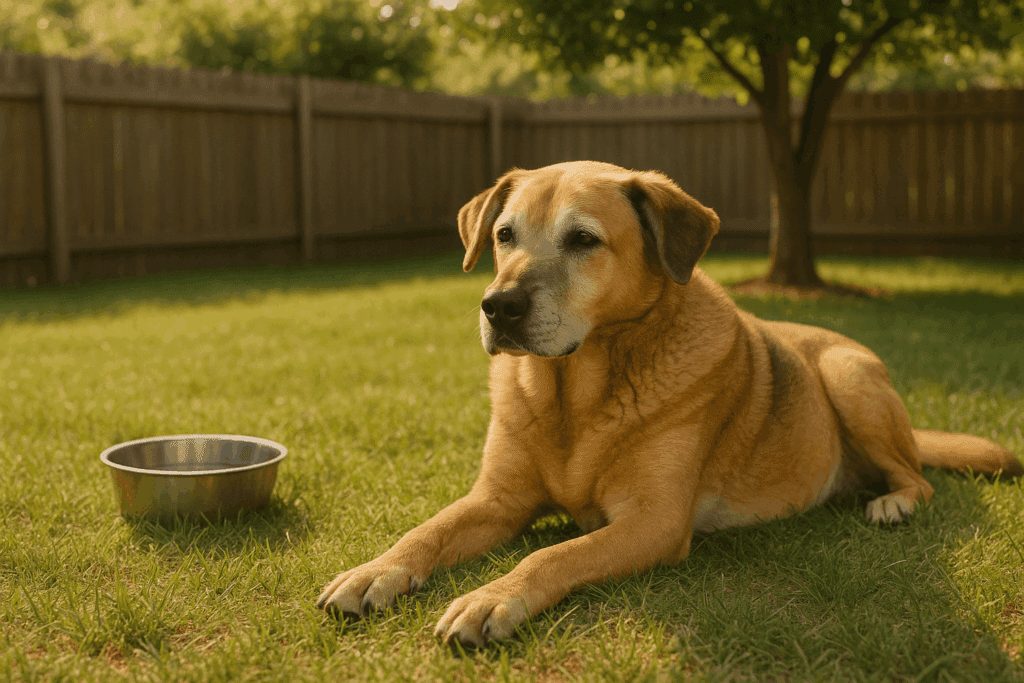
1. Severe Weather Exposure
Older dogs are extremely vulnerable to heatstroke, freezing temperatures, and dehydration.
2. Increased Parasites, Disease & Injury
Outdoor senior dogs have higher exposure to:
- Ticks, fleas, mosquitoes
- Wildlife-borne illnesses
- Toxic plants & chemicals
- Injuries that go unnoticed
3. Isolation & Psychological Stress
Senior dogs need more— not less— social contact. Outdoor isolation can increase:
- Anxiety
- Depression
- Disorientation
- Behavioral problems
Even strong, previously “outdoor-only” dogs need more indoor time as they age.
A Hybrid Lifestyle: The Ideal for Most Senior Dogs
Most senior dogs thrive with:
- Indoor living as the default
- Supervised outdoor time for sniffing, exploring, and gentle movement
- Shade, hydration, and soft ground outdoors
- Soft orthopedic bedding indoors
For comfort ideas, see Best Orthopedic Beds for Senior Dogs.
A hybrid approach gives the lifespan benefits of indoor living plus the enrichment benefits of outdoor stimulation.
How to Help Your Senior Dog Live Longer (Indoor or Outdoor)
1. Schedule Senior Wellness Exams
Senior dogs benefit from vet visits every 6–12 months, including bloodwork, dental checks, and mobility assessments.
2. Optimize Nutrition
A tailored senior-friendly diet can extend both lifespan and quality of life. See our detailed guide:
Best Diet & Nutrition Tips for Senior Dogs.
3. Maintain a Healthy Weight
This is the #1 controllable factor in extending senior dog lifespan. Even a few lost pounds can reduce pain and improve mobility.
4. Protect Joints & Mobility
Use ramps, orthopedic beds, non-slip rugs, and consider vet-recommended joint supplements or pain medications. See Best Joint Supplements for Senior Dogs,
5. Keep Their Mind Active
Enrichment slows cognitive decline. Try:
- Snuffle mats
- Nose-work games
- Short training refreshers
6. Make Outdoor Time Safe
For outdoor-loving seniors:
- Never leave them outside long in heat or cold
- Provide shade and constant fresh water
- Maintain fencing
- Keep up with flea, tick, and heartworm prevention
How Long Can a Well-Cared-For Senior Dog Live?
Every dog is different, but with excellent indoor care, healthy weight, proper nutrition, and regular vet visits, many senior dogs live:
- 12–14+ years for small breeds
- 10–13 years for medium breeds
- 9–12 years for large breeds
- 8–10+ years for giant breeds
Your daily decisions matter—nutrition, safety, exercise, enrichment, and veterinary care can all extend both lifespan and healthspan.
FAQs About Senior Dog Lifespan (Indoor vs Outdoor)
Do senior dogs live longer indoors or outdoors?
Senior dogs almost always live longer when they spend the majority of their time indoors. Indoor living protects them from heat, cold, predators, parasites, and injuries, all of which become more dangerous as dogs age. Outdoor time can still be healthy and enriching—but only with supervision, shade, water, and a safe environment.
How much can indoor living extend a senior dog’s lifespan?
There’s no universal number, but the difference can be months to several years depending on:
- climate and weather extremes
- breed size (large breeds are more vulnerable outdoors)
- existing health conditions
- access to medical care
- how much unsupervised outdoor time the dog has
A senior dog who moves from mostly-outdoor to mostly-indoor living often experiences immediate improvements: better joint comfort, fewer injuries, more rest, and better hydration—each of which supports a longer life.
Is it okay if my senior dog still spends time outside every day?
Yes—but make it short, supervised, and safe. Outdoor time is mentally stimulating and great for sniffing, gentle movement, and sunlight exposure. Just ensure:
- they have constant access to shade and fresh water
- temperatures are safe (avoid extreme heat and cold)
- the yard is fully fenced and hazard-free
- they aren’t left alone for long periods
For many older dogs, a hybrid lifestyle—indoors by default, outdoors for enrichment—is ideal for longevity.
Is it cruel to keep a senior dog outside most of the time?
Often, yes. Older dogs struggle with temperature regulation, joint pain, poor vision, and slower reflexes. Outdoor-only living increases risk of:
- hypothermia or heatstroke
- injury from falls
- attacks from wildlife or loose dogs
- dehydration
- cognitive decline due to isolation
Even a previously “outdoor-only” dog usually needs significantly more indoor comfort once they hit their senior years.
Can bringing an outdoor senior dog indoors extend their lifespan?
Almost always, yes. Moving an older dog indoors:
- reduces daily stress
- improves sleep quality
- protects them from severe weather
- allows earlier detection of health problems
- minimizes parasite exposure
- provides a softer, joint-friendly environment
Many owners report visible improvements in mobility, appetite, and alertness within weeks of transitioning a senior dog to indoor life.
Does breed size affect senior dog lifespan indoors vs outdoors?
Yes. Larger dogs age faster and are more vulnerable to environmental stress:
- Small senior dogs: usually handle moderate outdoor time better but still benefit from indoor living.
- Medium senior dogs: benefit strongly from indoor comfort, especially with joint issues.
- Large & giant senior dogs: should be indoors most of the time—temperature swings and joint strain affect them more severely.
See our lifespan chart for details.
Do senior dogs get cold more easily?
Absolutely. Aging reduces fat stores, muscle strength, circulation efficiency, and body-temperature regulation. Senior dogs are far more prone to:
- shivering
- stiff joints in cold weather
- hypothermia
- increased pain from arthritis
Indoor temperature stability can add years to a senior dog’s comfort and longevity.
Do senior dogs overheat more easily?
Yes. Older dogs—especially overweight dogs, large breeds, or brachycephalic breeds (Bulldogs, Pugs)—overheat quickly. Senior dogs also drink less water instinctively, making dehydration a major risk outdoors.
Signs of overheating include:
- panting heavily
- drooling
- wobbling
- laying down suddenly
- bright red gums
Hot weather can shorten a senior dog’s lifespan if they spend a lot of time outdoors.
How do I know if my senior dog is struggling outside?
Watch for:
- reluctance to go outside
- slow movement or stiffness
- excessive panting
- standing at the door wanting back in
- shivering or trembling
- pacing or anxiety
- laying down in unusual spots
These signs indicate the environment is too stressful for their age.
How much exercise should a senior dog get outdoors?
General guideline: several short sessions instead of long walks.
For most senior dogs:
- 10–15 min walks
- 2–4 times per day
- plus gentle sniffing in the yard
Avoid high-impact activities like rough play, running beside bikes, or steep hikes.
Does indoor enrichment help senior dogs live longer?
Yes—mental stimulation can significantly improve cognitive health and delay canine cognitive dysfunction (dog dementia). Great options include:
- snuffle mats
- puzzle toys
- treat-dispensing toys
- scentwork games
- simple training refreshers
Enrichment supports brain health, mood, and longevity, especially in indoor-living seniors.
What temperature is safe for senior dogs outside?
General guidelines:
- Under 32°F (0°C): risky for seniors
- Over 80°F (27°C): heat risk increases
- Over 90°F (32°C): dangerous, especially for large or brachycephalic breeds
Remember: seniors are less tolerant than adult dogs—always err on the side of caution.
Should senior dogs sleep indoors at night?
Yes. Older dogs sleep better, stay warmer, and are safer indoors. Nighttime is when temperatures drop, predators roam, and health issues (breathing problems, stiffness, anxiety) flare most.
Consistent, warm, indoor sleep supports immune function and joint health.
What are the biggest lifespan boosters for senior dogs?
The most effective ways to extend senior dog lifespan are:
- maintaining a lean body weight
- providing soft bedding and joint support
- regular vet visits (every 6–12 months)
- safe indoor living
- preventing overheating & hypothermia
- daily mental enrichment
- high-quality senior nutrition
- pain management for joints
These lifestyle factors often make a bigger difference than genetics.
Can an outdoor dog be too old to transition indoors?
No. Senior dogs adapt surprisingly well. Even dogs who lived outdoors their whole lives usually:
- bond quickly
- enjoy warmth and softness
- sleep more deeply
- have reduced pain
- move more comfortably
Older dogs thrive with routine, comfort, and closeness.
Improving Your Senior Dog’s Lifespan
The truth is simple but powerful: where your senior dog spends their time has a real impact on their lifespan. Older dogs thrive when they’re protected from extreme weather, given soft places to rest, kept mentally stimulated, and surrounded by the people they love. That’s why senior dogs who live primarily indoors—with safe, supervised outdoor time—tend to enjoy longer, healthier lives than dogs who spend most of their time outside.
But remember: improving a senior dog’s lifespan doesn’t come down to one choice. It’s the combination of everyday habits that matters most—maintaining a lean weight, providing joint support, offering mental enrichment, and staying consistent with vet care. Whether your dog is small, medium, or large, these changes can add comfort, vitality, and even years to their life.
Most importantly, your dog doesn’t just need more years—they need more good years. By creating a safe indoor environment, making outdoor time enriching and gentle, and tuning in to their changing needs, you give your senior dog the best gift possible: a longer, happier life by your side.
Sources & References
American Veterinary Medical Association (AVMA) – Senior Pet Care Guidelines
AKC Canine Longevity & Breed Lifespan Data
PetMD – Senior Dog Health & Aging
Reviewed by: SeniorDogWellbeing Editorial Team
Our team evaluates content for accuracy, clarity, and alignment with current senior dog wellness research. We update articles regularly as new information becomes available.
Disclaimer
This article is for informational purposes only and is not a substitute for professional veterinary advice. Always consult your veterinarian before making changes to your senior dog’s care plan.
Author: Gary Bennett – Senior Dog Wellness Researcher
Gary Bennett is the founder of SeniorDogWellbeing.com, a site focused exclusively on improving the health and longevity of senior dogs. He researches canine aging, nutrition, mobility, enrichment, and senior dog wellness strategies to help pet parents make informed, compassionate decisions for their older companions.